
The pact is being sold as peaceful energy cooperation. Its bigger test is whether Washington can link Saudi nuclear ambitions to regional normalization without weakening nonproliferation rules.
The United States and Saudi Arabia have signed a nuclear cooperation deal. The deal is contingent on Saudi Arabia joining the Abraham Accords, according to the report that put the pact in the spotlight, and it would allow Saudi Arabia to develop a civilian nuclear program in the Middle East with U.S. support. The U.S. Energy Department and the Saudi government framed the agreement as peaceful energy cooperation, but the condition attached to normalization gives it much larger diplomatic weight.
The reason it matters now is simple: a civil nuclear pact is never just about power plants. If the Saudis sign nuclear cooperation terms while also being pushed toward the Abraham Accords, Washington is trying to combine energy, security, business access and Israel normalization into one high-stakes package.
A deal bigger than energy
The U.S. Energy Department has described the agreement as a peaceful nuclear cooperation framework that would open the door for American companies to participate in Saudi Arabia’s nuclear energy program. The Saudi government said the pact extends existing cooperation between the two countries in the energy sector.
That language sounds technocratic, but the politics are not. Saudi Arabia has long wanted access to advanced civilian nuclear technology as part of its broader plan to diversify its economy and energy mix. The United States wants to keep that program inside a U.S.-influenced framework rather than leaving Riyadh to turn more heavily to China, Russia or other suppliers.
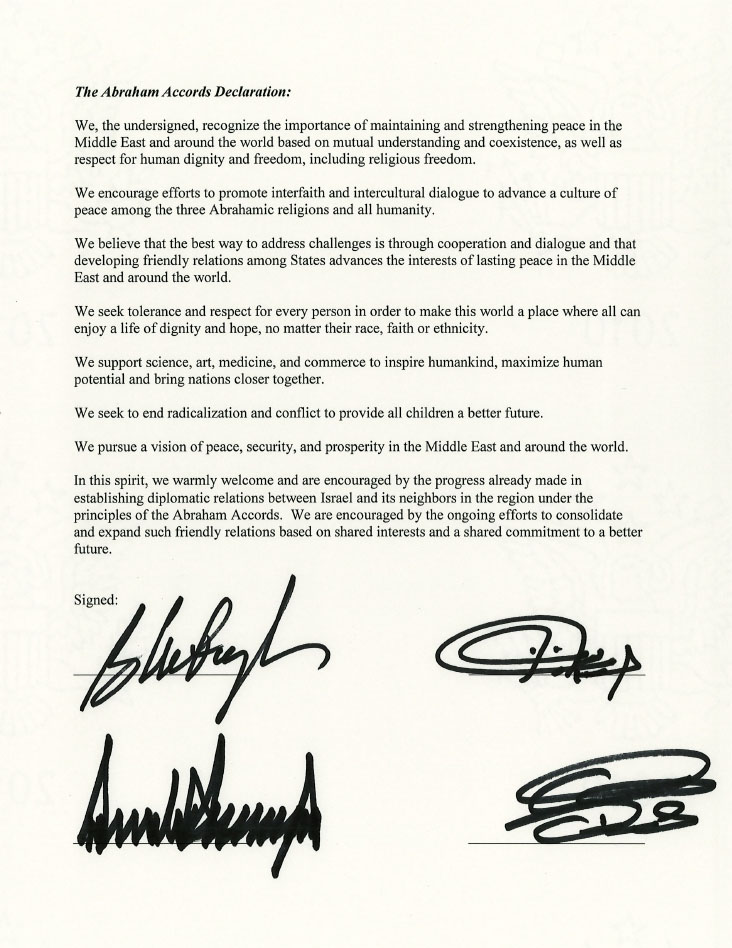
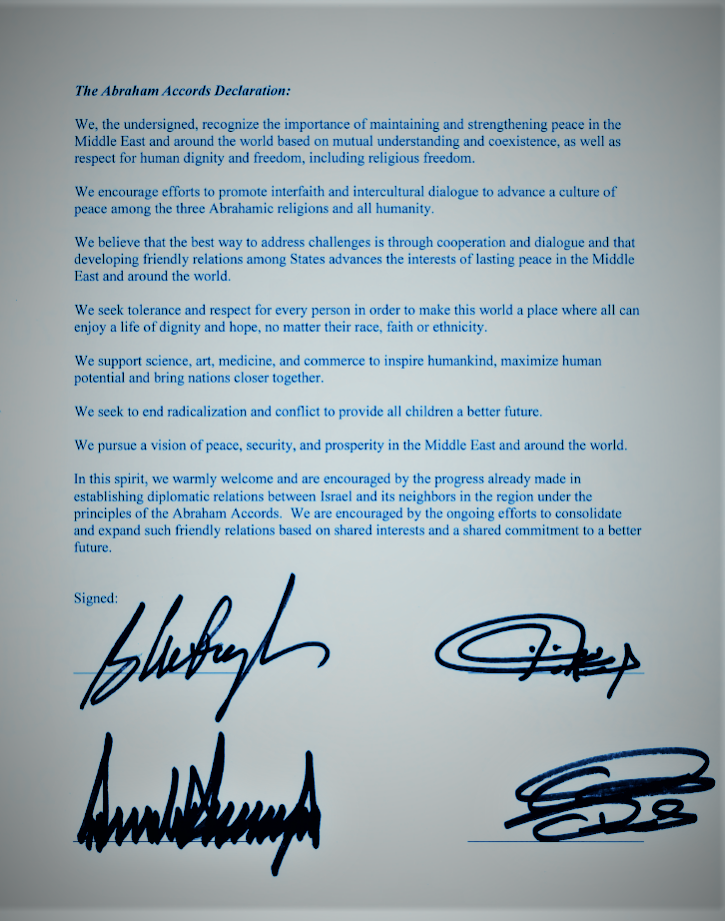
The Abraham Accords condition is the diplomatic accelerant. The accords, launched in 2020, normalized relations between Israel and several Arab states. Saudi Arabia joining them would be a far larger prize because of the kingdom’s regional weight, its religious status and its long-standing position on Palestinian statehood.
That makes the nuclear agreement a bargaining chip as much as an energy compact. It gives Riyadh something it has sought for years while giving Washington and Israel a possible path toward a historic normalization move.
The enrichment question looms
The most sensitive unanswered issue is whether Saudi Arabia would be allowed to enrich uranium on its own soil. Enriched uranium can fuel civilian reactors, but the same basic technology can also be used, at much higher levels, to make nuclear weapons material.
The text of the agreement has not been made public, according to the BBC’s reporting on the deal. That matters because the difference between imported reactor fuel and domestic enrichment is the difference between a tightly limited civilian program and a program with far greater strategic potential.
U.S. officials have emphasized safeguards. The Energy Department said a bilateral safeguards agreement was signed alongside the cooperation deal and said the package lays the legal foundation for a long-term partnership that advances economic, strategic and nonproliferation goals.
Critics are not reassured by broad assurances. Nonproliferation experts have warned that if Washington permits Saudi enrichment, it would mark a major departure from past U.S. practice and could create a precedent other countries would try to use.
Why Saudi Arabia wants it
Saudi Arabia says it wants nuclear energy for peaceful purposes. The kingdom is trying to free up more oil for export, meet growing domestic power demand and build the technical capacity associated with a modern energy economy.
There is also a regional security layer. Crown Prince Mohammed bin Salman told CBS News in 2018 that Saudi Arabia did not seek a nuclear weapon, but said that if Iran developed one, the kingdom would follow “as soon as possible.” That statement still shapes how analysts read any Saudi nuclear deal.
Riyadh sees Iran as its main regional rival. The nuclear issue has also become more explosive as tensions involving the United States, Israel and Iran have intensified. In that climate, even a civilian program can be interpreted through the lens of deterrence and leverage.
For Saudi Arabia, the agreement may also be about status. A U.S.-backed program would signal that the kingdom is being treated not just as an oil producer or arms customer, but as a central strategic partner with access to sensitive technology.
Washington’s tradeoff is clear
Supporters of the agreement argue that the United States is better off shaping Saudi Arabia’s nuclear future than watching from the sidelines. If Riyadh is determined to develop nuclear energy, they say, U.S. involvement can bring stronger safeguards, inspections and standards.
There is an economic case, too. The Energy Department has said the agreement could create significant opportunities for American nuclear technology and engineering firms. A Saudi program could be worth billions of dollars over time if U.S. companies win major construction, fuel or services contracts.
The strategic case is even bigger. Linking the deal to the Abraham Accords gives Washington a way to pursue normalization between Saudi Arabia and Israel, deepen U.S.-Saudi ties and counter rival powers competing for influence in the Gulf.
The risk is that Washington gives too much away. If Saudi Arabia receives access to technology that other U.S. partners have been denied, opponents will argue that the United States weakened its own nonproliferation standard for a diplomatic win.
Congress gets a say
The agreement is expected to go to Congress for review. That process could become the first major test of whether lawmakers accept the administration’s argument that the deal strengthens security rather than undermines it.
Some Democrats and Republicans have previously expressed concern about giving Saudi Arabia sensitive nuclear capabilities, especially without strict limits on enrichment and reprocessing. Those concerns are likely to sharpen if the final text leaves room for domestic uranium enrichment.
Secretary of State Marco Rubio has pushed back on proliferation fears, saying the United States would not enter an agreement that creates a nuclear weapons risk. Critics, including Sen. Edward Markey of Massachusetts, have argued the opposite: that allowing Saudi Arabia access to nuclear weapons-relevant technology would be reckless, especially in a volatile region.
Congress may not have the votes to block the pact if the administration’s party controls both chambers, but the review can still matter. Hearings, letters and public pressure could force more details into the open, especially around safeguards and the Abraham Accords condition.
What remains unclear
The largest unknown is whether the Abraham Accords requirement is written directly into the legal deal or is being treated as a political condition attached to implementation. That distinction matters. A formal condition could make the agreement dependent on a clear diplomatic act; a political linkage could leave more room for interpretation.
Several other questions remain open:
- Will Saudi Arabia be allowed to enrich uranium domestically, or will it rely on imported fuel?
- What inspection rights and safeguards will apply to Saudi facilities?
- How would Palestinian demands factor into any Saudi move toward normalization with Israel?
- Can Congress meaningfully alter the agreement, or only register objections?
- Would other regional powers seek similar nuclear terms from Washington?
The deal’s supporters see a rare alignment of U.S. business interests, Saudi energy ambitions and regional diplomacy. Its critics see a dangerous bargain that could normalize uranium enrichment in one of the world’s most unstable regions.
The final judgment will depend on the fine print. If the pact tightly limits Saudi nuclear activity and produces a broader diplomatic opening, it could become a major U.S. foreign-policy achievement. If it gives Riyadh a path toward enrichment without durable political commitments, it may be remembered as the moment Washington traded away a nonproliferation norm for a fragile promise of normalization.


Leave a Reply