
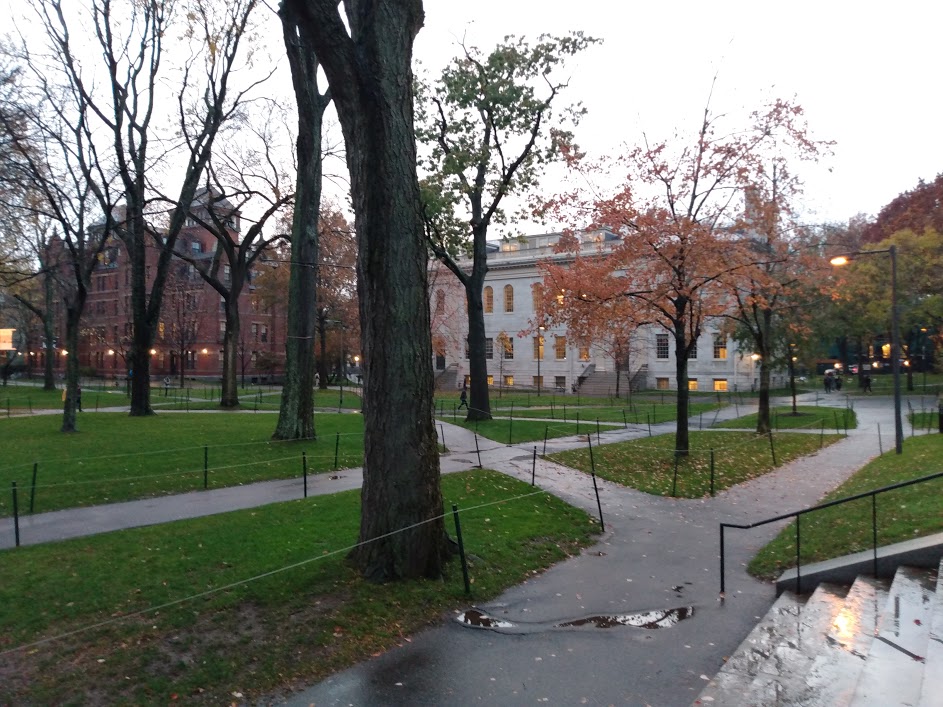
The probe shifts the Trump administration’s fight with Harvard from campus policy and federal funding to donor-backed financial aid. At issue is whether restricted scholarships tied to foreign money cross a civil-rights line.
The Trump administration opened an investigation into Harvard University’s financial aid practices Monday, with the Justice Department’s Civil Rights Division examining whether China-based scholarship programs funded by Chinese donors or other foreign sources discriminate against American students in the United States. The federal review raises Title VI civil-rights questions and marks another front in the broader Trump administration crackdown on Harvard, this time focused on who can compete for donor-funded aid.
The Justice Department says it has not reached conclusions. But its announcement puts Harvard’s foreign funding disclosures, donor restrictions and scholarship rules under a sharper federal lens.
The China-funded aid question
The Justice Department framed the review as a compliance inquiry into whether Harvard’s China-based financial aid programs and practices exclude American-citizen students. The Civil Rights Division said it is looking at whether those practices violate Title VI of the Civil Rights Act of 1964, which bars discrimination based on national origin in programs receiving federal funds.
That distinction matters. The department is not simply asking whether Harvard accepts foreign gifts. It is asking whether any restrictions attached to those gifts steer financial aid toward students from particular countries in a way that disadvantages others, including Americans.
Assistant Attorney General Harmeet K. Dhillon said in the department’s announcement that every American student should have an equal opportunity to compete for scholarships, grants and other aid. She also said schools cannot take federal dollars while accepting foreign money for financial aid that deliberately excludes American citizens.
Those are allegations and legal theories at this stage, not findings. The department’s own release says the Civil Rights Division has not reached any conclusions about the subject matter of the investigation.
The numbers behind the review
The inquiry is tied partly to foreign funding reports that colleges and universities must file under Section 117 of the Higher Education Act. That provision requires institutions to self-report foreign gifts and contracts valued at $250,000 or more.
According to the Justice Department, Harvard has disclosed nearly $4.5 billion in foreign funding, making it the American university with the most disclosed foreign-source funding. The department also said Harvard’s largest source of foreign funding comes from sources based in China, accounting for more than $630 million.
Those figures do not prove discrimination by themselves. Large foreign gifts can support research, academic exchange, student programs or institutional partnerships. The legal issue the department says it is examining is whether restrictions on some China-based funds require Harvard to support or establish financial aid programs with preference given to students from particular countries.
The department’s language is careful but pointed. It says Harvard “appears” to be accepting funds and following restrictions that provide aid to foreign students, “presumably Chinese,” based on national origin, potentially to the detriment of students of other national origins, including American citizens.
How Title VI enters
Title VI is the civil-rights hook because Harvard receives federal money. The statute generally prohibits discrimination based on race, color or national origin in programs or activities that get federal financial assistance.
In the Justice Department’s view, a federally funded university may create a Title VI problem if it administers scholarship money in a way that excludes students because of national origin. The department’s review is aimed at determining whether Harvard’s practices cross that line.
The harder question is where lawful donor intent ends and unlawful exclusion begins. Many universities administer scholarships with narrow eligibility rules: students from certain regions, students studying specific subjects, students with particular career plans or students involved in international exchange. Some restrictions are routine; others can become legally vulnerable if they function as national-origin barriers in a federally funded program.
That is why the wording of the donor agreements, Harvard’s actual administration of the funds and the availability of comparable aid to other students could all matter. A preference is not always the same as an absolute exclusion, and the Justice Department will have to establish more than political suspicion if it seeks enforcement action.
Why Harvard is being targeted
The probe lands in the middle of an already tense relationship between Harvard and the Trump administration. The administration has made elite universities, and Harvard in particular, a central target in its broader push over campus governance, civil-rights enforcement, foreign influence and federal funding.
This financial-aid review gives that pressure campaign a different shape. Rather than focusing only on speech, protests, admissions or institutional policies, it reaches into the machinery of how a wealthy university receives outside money and distributes opportunity.
For the administration, the case lets officials connect two politically potent themes: alleged unfairness to American students and concern about Chinese influence in U.S. higher education. For Harvard and other universities, it raises a wider concern that federal investigators may scrutinize donor-funded programs that were built for international recruitment, exchange or philanthropy.
There is a legitimate public-interest question here. Universities that receive federal funds have civil-rights obligations, and foreign money can come with strings. There is also a risk that investigations framed around foreign influence become blunt political tools, especially when they single out one institution already locked in conflict with the White House.
What remains uncertain
The biggest unknown is what Harvard’s specific scholarship documents say and how the university applies them. The Justice Department announcement points to disclosures and restrictions, but the public release does not settle whether American students were actually barred from aid for which they otherwise should have been eligible.
It is also unclear whether the investigation will lead to a negotiated resolution, policy changes, a formal finding or no enforcement action. Civil-rights compliance reviews can result in agreements requiring new procedures, reporting or revisions to eligibility rules. They can also end without the sweeping conclusions suggested by an initial announcement.
For students, the immediate takeaway is narrower than the politics around it: the federal government is testing whether donor-restricted aid at Harvard unlawfully favors some national origins over others. For universities, the message is broader. Foreign-funded scholarships that once sat quietly inside development offices may now be treated as civil-rights and national-interest issues.
The Justice Department has opened the door. What comes next depends on the records: the gift terms, the scholarship criteria, who was eligible, who was excluded and whether Harvard can show its aid practices comply with federal law.







Leave a Reply