
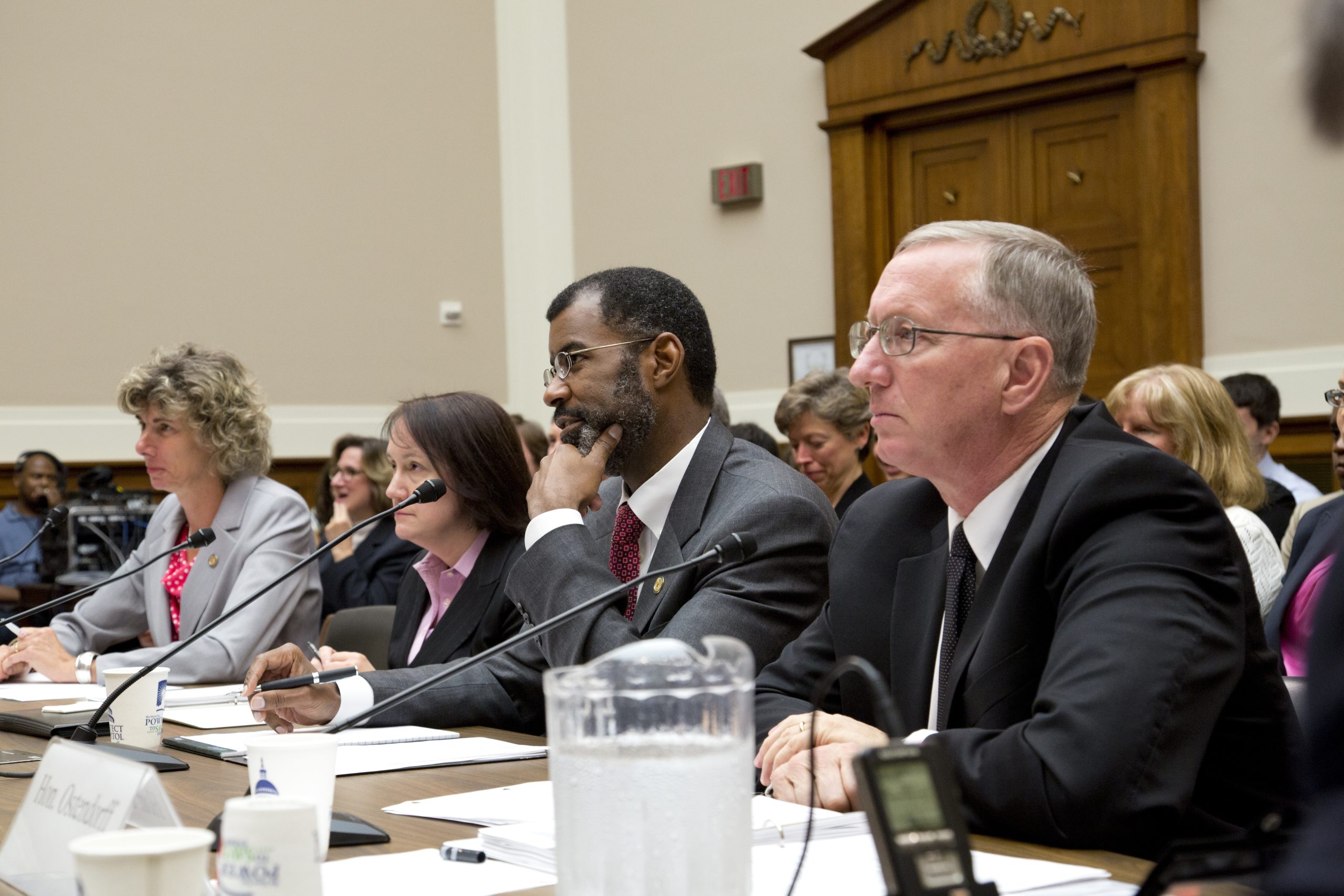
The dispute is less about one empty room than about how both parties use fraud oversight to accuse the other side of selective concern. The official record shows why the fight is politically potent — and still incomplete.
Democrats did not attend a fraud hearing, according to a Washington Examiner commentary circulating on MSN; a congressional hearing on fraud has become the latest attendance fight in Congress, and the article frames the absence as a partisan issue.
The verified record points to a larger fight: House Republicans have used fraud oversight to spotlight alleged misuse of federal funds in Minnesota, while Democrats have argued that anti-fraud work should not be aimed only at states or communities that fit a political narrative.
The no-show claim’s political punch
Attendance fights are irresistible in Congress because they are easy to understand. If one party shows up and the other does not, the party in the room can argue that it is taking the problem seriously while its opponents are ducking accountability.
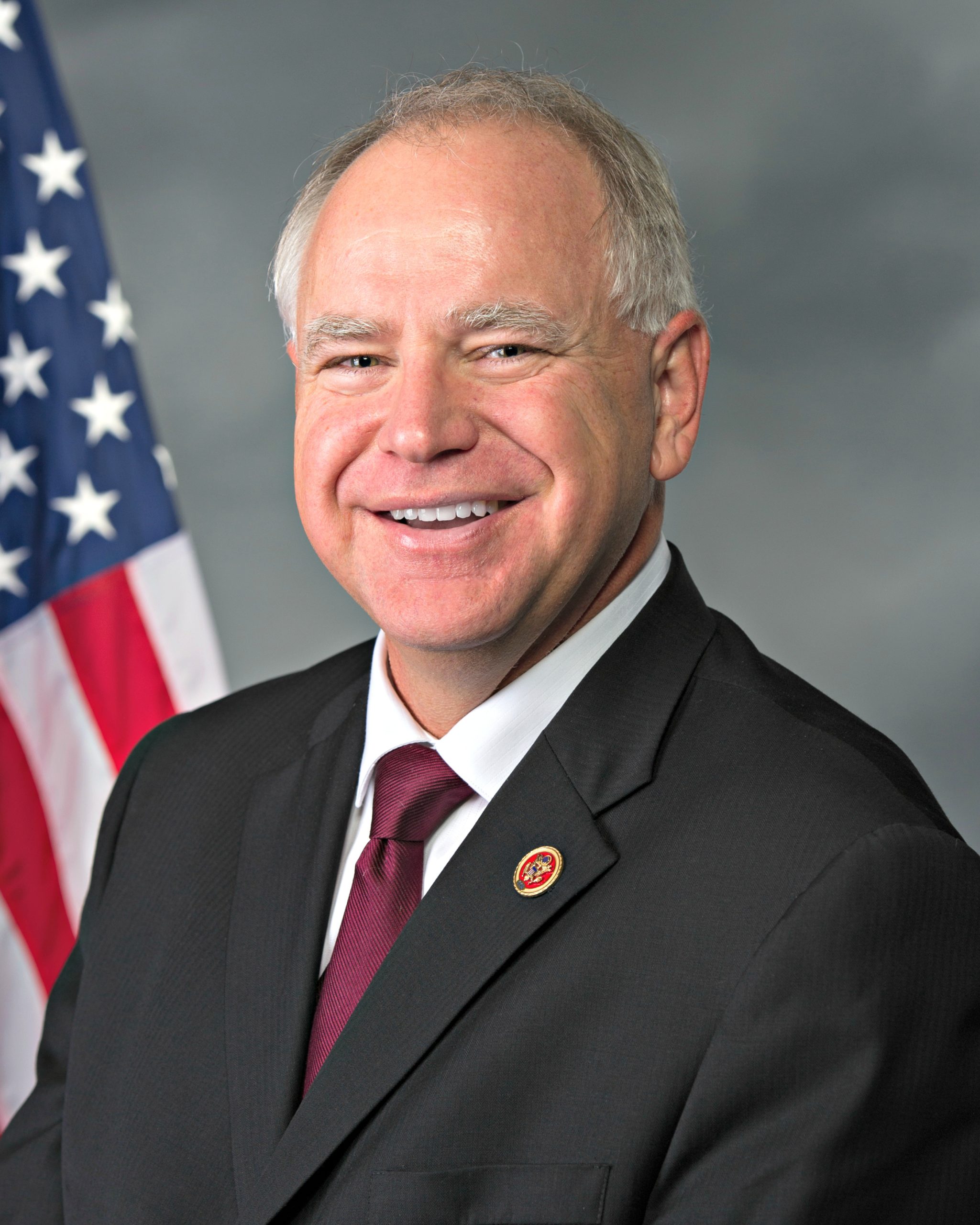
That is the core of the no-show framing around “The fraud hearing.” It turns a policy hearing — usually a dense mix of testimony, subpoenas, documents and budget oversight — into a cleaner political accusation: Republicans wanted to talk about fraud; Democrats, the charge goes, did not.
But attendance alone rarely tells the full story. Members skip hearings for scheduling reasons, strategic reasons or because they believe the proceeding is designed more for messaging than fact-finding. That does not make the optics meaningless. It does mean the claim needs to be read alongside the official record and the substance of the hearing itself.
The official hearing record
The most relevant public record surfaced in the research is a Congress.gov and Government Publishing Office transcript for a House Committee on Oversight and Government Reform hearing titled “Oversight of Fraud and Misuse of Federal Funds in Minnesota: Part II.”
That hearing was held during the 119th Congress, second session, on March 4, 2026, and listed as Serial No. 119-59. The committee was chaired by Rep. James Comer of Kentucky, with Rep. Robert Garcia of California serving as ranking minority member.
The witness list included Minnesota Gov. Tim Walz, Minnesota Attorney General Keith Ellison and Rev. Mariah Furness Tollgaard, identified in the record as a minority witness. The transcript also lists opening statements by Comer and Garcia, which is important context for any broad claim that Democrats were absent from congressional fraud oversight altogether.
In other words, the public record shows a formal House Oversight proceeding on fraud and misuse of federal funds in Minnesota, with both majority and minority framing present in the transcript. That does not by itself disprove a separate no-show allegation about another hearing or panel. It does show why precision matters before turning attendance into a sweeping indictment.
Minnesota became the test case
The Minnesota hearing centered on alleged fraud and misuse involving federal funds — the kind of issue that allows lawmakers to mix fiscal oversight with state-level political accountability.
For Republicans, hearings like this offer a chance to argue that government programs are vulnerable to abuse and that Democratic-led jurisdictions have failed to police taxpayer money aggressively enough. The presence of Walz and Ellison made the proceeding especially politically charged because both are prominent Democratic officials tied to Minnesota’s executive and legal response.
For Democrats, the risk is that a fraud inquiry can be presented as neutral oversight while selectively emphasizing places, populations or officials that serve a partisan story. The transcript excerpt available through Congress.gov includes Democratic language pushing back on the idea of fighting fraud by singling out Democratic-led states while ignoring others.
That disagreement is not cosmetic. It goes to the central question of congressional oversight: Is the committee following the evidence wherever it leads, or choosing evidence that supports a prewritten case?
Democrats’ counterargument is selective scrutiny
The Democratic response reflected in the official record is not that fraud should be ignored. It is that anti-fraud oversight should be consistent, broad and evidence-driven.
Documents listed in the hearing record as submitted by Rep. Garcia included news articles, an ACLU item, a City of Minneapolis item and other materials intended to widen the context around Minnesota, immigration enforcement and public safety narratives. That document list suggests Democrats tried to contest the frame, not simply avoid the topic.
That distinction matters because “fraud” is a politically powerful word. It can refer to proven criminal schemes, administrative failures, weak controls, unverified allegations or partisan insinuation. A serious hearing has to separate those categories. A partisan hearing often benefits when they blur together.
Republicans can reasonably argue that fraud involving public money deserves aggressive scrutiny no matter where it occurs. Democrats can reasonably argue that scrutiny loses credibility if it appears to target only convenient political opponents.
Why empty chairs matter
Even when a no-show claim lacks full context, it can still land with voters. Congressional hearings are public performances as much as investigative tools. Empty seats become images of indifference; crowded dais seating becomes proof of urgency.
That is why both parties weaponize attendance. Republicans often use low Democratic turnout to argue that the left is uninterested in waste, border issues, crime or accountability. Democrats often describe GOP hearings as staged exercises meant to generate clips rather than legislation.
The danger for readers is treating the attendance frame as the whole story. A member can attend a hearing and contribute little. A member can miss a hearing while staff review documents, negotiate legislation or prepare oversight letters. The better test is whether lawmakers produce evidence, ask specific questions, pursue remedies and apply the same standard across states and parties.
On that score, the Minnesota hearing record gives readers more to evaluate than the partisan attendance line alone: who called the hearing, who testified, what documents were entered and how each side described the purpose of the inquiry.
What remains unresolved
The available materials do not establish every detail behind the Washington Examiner’s no-show claim. The MSN trend card identifies the commentary and its argument, while the official congressional record verifies a related fraud oversight hearing and shows Democratic participation in at least that proceeding.
What remains unclear is whether the no-show charge refers to a different hearing, a subcommittee event, a particular portion of a hearing, or a broader complaint about Democratic attendance patterns. Without a full attendance roll and the underlying article text, readers should treat the broadest version of the accusation carefully.
The substantive issue is bigger than the seating chart. Federal fraud oversight is a legitimate function of Congress, and misuse of public money deserves scrutiny. The credibility of that scrutiny depends on whether lawmakers apply it evenly — to Republican-led and Democratic-led states, to favored and unfavored programs, and to facts that help or hurt their own side.
The clean takeaway: the partisan no-show framing may be politically effective, but the official record shows a more complicated fight over fraud, Minnesota and the rules Congress uses when it says it is following the money.


Leave a Reply