
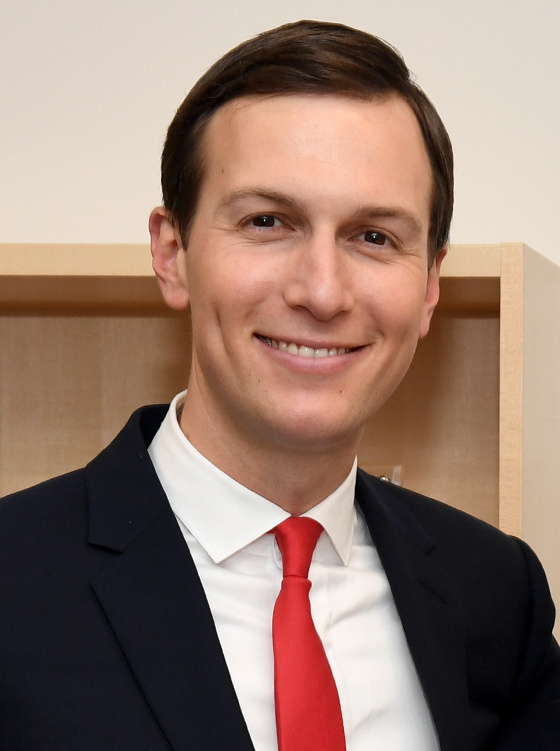
The dispute centers on coastal parcels near Zvernec, Albania, sold by Miami-based businessman Artur Shehu. Prosecutors have not accused Kushner or the project’s investors of wrongdoing, but the title fight could complicate the development.
A Jared Kushner-backed resort project faces a new setback after allegations that forged property documents were used in the land deal for the planned luxury resort in Albania. Albanian prosecutors at Albania’s anti-corruption agency, SPAK, are investigating the land sale tied to Miami-based businessman Artur Shehu, whose coastal parcels near Zvernec were sold in April 2026 to Albania Land Development.
The issue matters because land title is the foundation of any resort project. Prosecutors have not accused Kushner, Sazan Real Estate Development, Albania Land Development or other project investors of wrongdoing, according to reporting based on case files reviewed by Reuters. But a disputed deed can slow a development long before anyone breaks ground.
The land deal under scrutiny
The dispute centers on coastal land near Zvernec, outside the city of Vlora, where a luxury resort backed by investors including Jared Kushner has been planned. The parcels were sold by Shehu to Albania Land Development, a company owned by Sazan Real Estate Development and other investors behind the project, according to the case-file reporting.
SPAK, Albania’s Special Structure Against Corruption and Organized Crime, has compiled an investigative file on Shehu. In that file, prosecutors allege that there are “reasonable suspicions” that assets were acquired through forged documents.
The claims go beyond a routine paperwork dispute. Prosecutors allege that Shehu and associates used false property titles or inflated property sizes, then transferred or exchanged assets in ways that made them harder to trace.
That is the immediate pressure point for the resort. Even if the buyers say they acquired the land lawfully, the project depends on confidence that the chain of ownership is clean.
Why a forged deed matters
Luxury resort projects often rise or fall on zoning, financing, environmental review and public support. This one now faces a more basic question: who had the right to sell the land?
If prosecutors ultimately prove that forged documents were used to assemble the property, the fallout could affect ownership claims, payments, permits and the timeline for development. A clouded title can make lenders cautious, buyers wary and regulators more deliberate.
That does not mean the project is dead. It does mean the legal record around the land has become a central risk, not a side issue.
For readers following the Kushner connection, the distinction is important. The known allegations are aimed at Shehu and the way prosecutors say certain assets were acquired. They are not allegations that Kushner or the project investors forged documents or knew of suspicions at the time of purchase.
Shehu denies the allegations
Shehu’s lawyer, Kujtim Cakrani, rejected the accusations in comments reported by Reuters. “Nothing that has been alleged regarding Mr. Artur Shehu’s character is true. He is neither a drug trafficker nor a forger of property documents,” Cakrani said.
Cakrani has said Shehu’s family owned the land lawfully, tracing ownership back to the Ottoman era, and maintained that the April sale was legal. Reuters reported that it could not independently verify that family ownership account.
The legal dispute is also tied to an arrest warrant. Prosecutors accuse Shehu of laundering proceeds from narcotics trafficking, according to the case files. The allegations include claims that proceeds from South American cocaine trafficking were laundered into real estate.
Those accusations remain allegations. Shehu’s attorney has denied them, and the reporting notes that Albanian legal practice can limit how suspects are publicly identified before formal charges.
Money frozen, questions open
One of the most concrete actions reported so far is financial: SPAK has frozen about €110 million, roughly $125.6 million, from the land sale. The money has been ordered held in a notary account while the investigation continues.
That move does not prove the allegations. It does show prosecutors are treating the transaction as significant enough to preserve funds while they examine the source and legitimacy of the assets.
A SPAK spokesperson confirmed the investigation to Reuters but declined further comment. That leaves several key questions unanswered, including how long the probe will take, whether charges will follow and whether the land sale can proceed without further restrictions.
For the developers, frozen proceeds are not the same as a halted construction order. But in major real estate projects, unresolved legal uncertainty can be expensive even when no one connected to the buyer has been accused of wrongdoing.
Developers say they acted lawfully
The case files reviewed by Reuters contain no allegations of wrongdoing against Jared Kushner, Sazan Real Estate Development, Albania Land Development or other investors in the project. Reuters also reported that it found no indication the investors knew of suspicions surrounding Shehu when the land was purchased.
A spokesperson for Kushner declined to comment. A spokesperson for Sazan Real Estate Development said the company continues to believe the land acquisitions were conducted lawfully and in line with applicable procedures, and said it would respect and cooperate with any lawful process.
The spokesperson also told Newsweek that the Albania development “is not an Affinity project,” referring to Kushner’s investment firm, Affinity Partners. The spokesperson said U.S. investors participated in a personal capacity and added, “We are not a party to that matter and are not the subject of any investigation.”
That framing is designed to separate the project’s investors from the alleged conduct of the seller. Whether that separation is enough to keep the project moving smoothly will depend on what Albanian authorities conclude about the land.
A local dispute with bigger stakes
The controversy did not appear out of nowhere. Residents of Zvernec have disputed Shehu’s ownership claims for more than a decade, according to the reporting. Villagers have pointed to title deeds and tax records they say support their ownership claims.
That local fight now overlaps with national politics and international development concerns. Prime Minister Edi Rama has defended the resort as an economic opportunity and has characterized protests against it as politically motivated.
There is also a European dimension. Albania is a candidate for European Union membership, and the European Commission has previously urged the country to comply with European environmental rules tied to the development. A Commission spokesperson declined further comment to Reuters.
The clean takeaway is narrow but important: the Kushner-backed resort is not currently facing publicly reported allegations against its investors, but the land beneath the project is under serious scrutiny. Until prosecutors resolve the forged-deed claims and the ownership dispute, the project carries a legal uncertainty that glossy renderings cannot erase.





Leave a Reply