
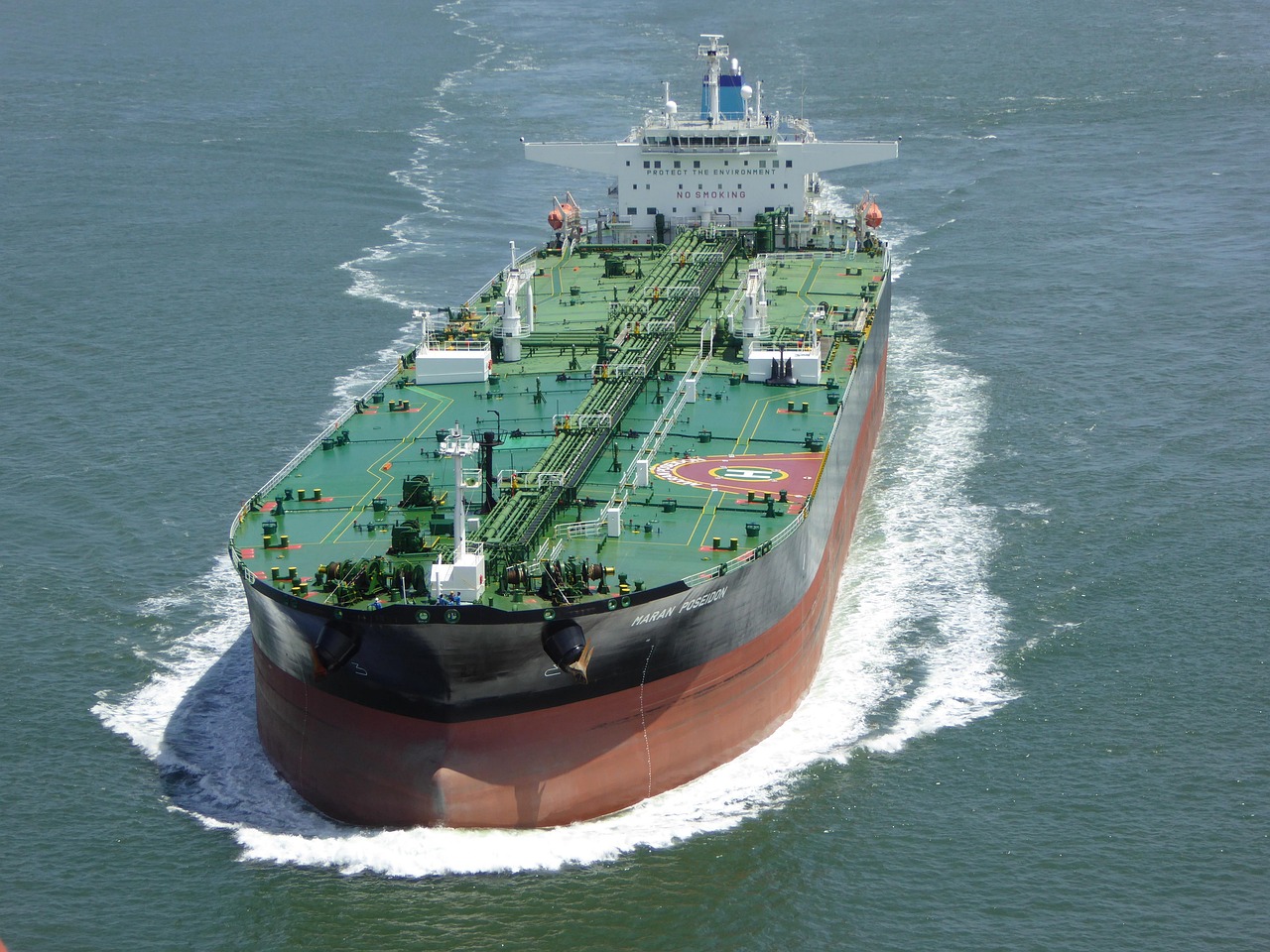
The Strait of Hormuz is one of the most sensitive shipping corridors on Earth. Even a limited military move there can ripple into energy prices, tanker insurance and wider U.S.-Iran tensions.
A reported U.S. blockade near the Strait of Hormuz is set to resume Monday, according to ABC News live updates citing CENTCOM, putting one of the world’s most valuable sea lanes back under intense pressure.
The stakes are bigger than one military order. Hormuz is the narrow passage where security policy, Iranian leverage, oil prices and global shipping all collide.
The order raises the stakes
CENTCOM, the U.S. military command responsible for the Middle East, reportedly said the blockade would resume Monday. The public details remain limited: the exact scope, the duration, the rules for enforcement and the categories of ships affected were not fully clear from the initial reports.
That uncertainty matters. A blockade can mean anything from a tightly enforced military cordon to a looser effort to restrict specific vessels, depending on how officials use the term and how forces behave on the water.
NBC News, in separate live coverage, described tensions around the blockade and reported that Iran had threatened shipping in the Gulf and Red Sea. It also cited Iranian state-linked reporting that two Iranian tankers had passed through the Strait of Hormuz despite the U.S. action.
If confirmed, that detail would point to the central question for Monday: is this a symbolic pressure campaign, or an enforceable barrier that changes how ships move through the strait?
Why Hormuz matters so much
The Strait of Hormuz is not just another patch of contested water. It is the exit lane from the Persian Gulf to the Gulf of Oman and the Arabian Sea, used by tankers carrying oil and liquefied natural gas from some of the world’s biggest energy producers.
The U.S. Energy Information Administration has repeatedly described Hormuz as the world’s most important oil transit chokepoint. In recent EIA assessments, roughly one-fifth of global petroleum liquids consumption moved through the strait, along with major volumes of LNG from Qatar.
The geography adds to the tension. The waterway is narrow, and commercial shipping relies on traffic lanes that leave little room for error when military vessels, tankers and surveillance aircraft are operating in the same space.
That is why even a partial disruption can have outsized effects. Markets do not need every ship stopped to react. They only need enough doubt about whether tomorrow’s cargo will move safely.
Iran has ways to test it
Iran has long treated Hormuz as strategic leverage. When pressure rises over sanctions, military strikes or regional conflict, Iranian officials and military-linked voices have periodically threatened shipping or hinted at the ability to close the strait.
Tehran does not need to fully shut Hormuz to create friction. Small-boat maneuvers, ship inspections, drone surveillance, missile threats, mines or harassment of commercial vessels can all force insurers, shipping firms and governments to reassess risk.
That does not mean Iran will choose the most escalatory option. Closing or severely disrupting Hormuz would also damage Iran’s own economic interests and could invite a much broader military response.
But limited testing is a different calculation. If Iranian-linked reports are accurate that tankers have moved through despite the blockade, Tehran may be trying to show that U.S. pressure is porous, costly or politically unsustainable.
Oil markets watch every vessel
For drivers, airlines, manufacturers and consumers, the Hormuz question often shows up later as price pressure. Crude oil prices can jump when traders see a higher chance of supply disruption, even before physical shortages appear.
The first effects usually hit risk premiums: tanker insurance, freight rates, delivery schedules and futures prices. Those costs can work their way through diesel, jet fuel, gasoline and petrochemical supply chains if the disruption lasts.
There are bypass pipelines and alternative export routes in the region, but they cannot simply replace the strait at full scale. Hormuz is central because so much energy infrastructure was built around it.
Still, a price spike is not automatic. Markets will watch whether the blockade is narrow or broad, whether commercial ships are delayed, whether allied navies join in, and whether Iran responds with military action or restraint.
The word blockade carries baggage
Blockade is a loaded word. In casual political language, it may describe a show of force or a restricted zone. In international law and military practice, it can imply an attempt to prevent vessels from entering or leaving an enemy coast or port area during conflict.
That distinction is not academic. A formal blockade raises questions about legal authority, notification, neutrality, enforcement and the risk of being treated as an act of war by the targeted state.
U.S. officials often frame operations in and around Hormuz through freedom of navigation, maritime security and protection of commercial shipping. A blockade framing points in a harder direction, especially if it is aimed at Iranian vessels or cargoes.
Until CENTCOM or the Pentagon lays out the operating rules, outside observers are left with a tense but incomplete picture: a major military signal at a chokepoint where words can move markets almost as quickly as ships.
Monday may answer three questions
The first question is enforcement. Will U.S. forces actually stop, board, divert or delay vessels, or will the operation mainly involve patrols and warnings?
The second is targeting. A narrow effort aimed at specific Iranian-linked ships would carry different risks than a broad restriction affecting commercial traffic across the strait.
The third is response. Iran can answer through official statements, naval maneuvers, proxy pressure elsewhere in the region or restraint designed to avoid giving Washington a clearer pretext for escalation.
- For energy markets: the key signal is whether cargoes are delayed or rerouted.
- For shippers: the key signal is whether insurers raise risk premiums.
- For governments: the key signal is whether the confrontation stays at sea or spreads into the wider region.
The clean takeaway is this: Hormuz turns limited moves into global events. If the reported blockade resumes Monday as described, the world will be watching less for a dramatic announcement than for something more practical: whether ships keep moving, and at what cost.




Leave a Reply