
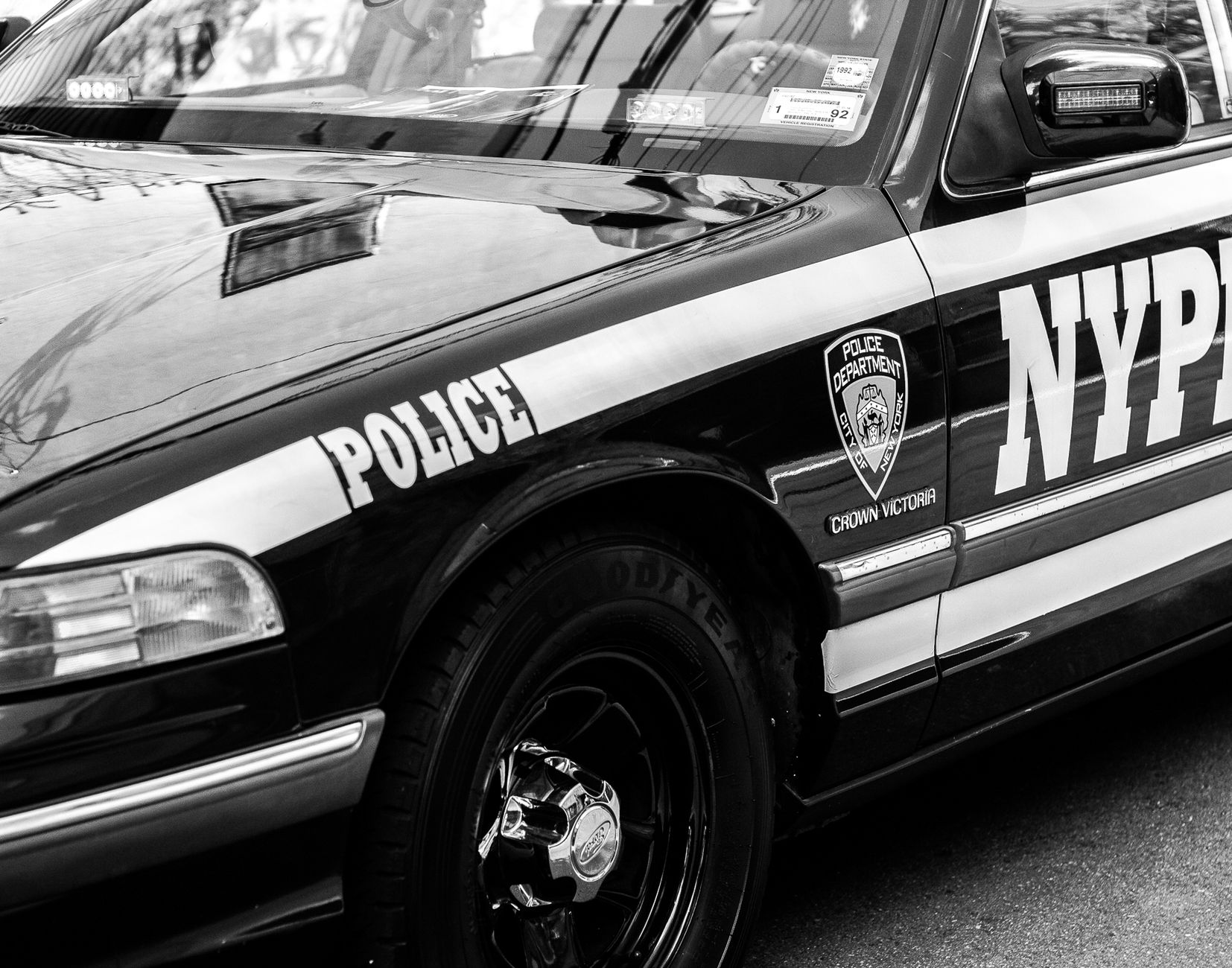
The reported casualty count points to a scene where the danger extended to the people sent to help. Early reports leave major questions unanswered, including the identities of the victims and what led to the gunfire.
Three people are dead, including a sergeant, and four responders were wounded in a shooting, according to an ABC News report surfaced through MSN.
The first public details are still limited. But the reported toll alone makes this more than another crime brief: it points to a scene where the danger reached the people expected to run toward it.
The reported toll is severe
ABC News reported that the shooting left three people dead and four responders wounded. One of the people killed was identified only as a sergeant in the available report.
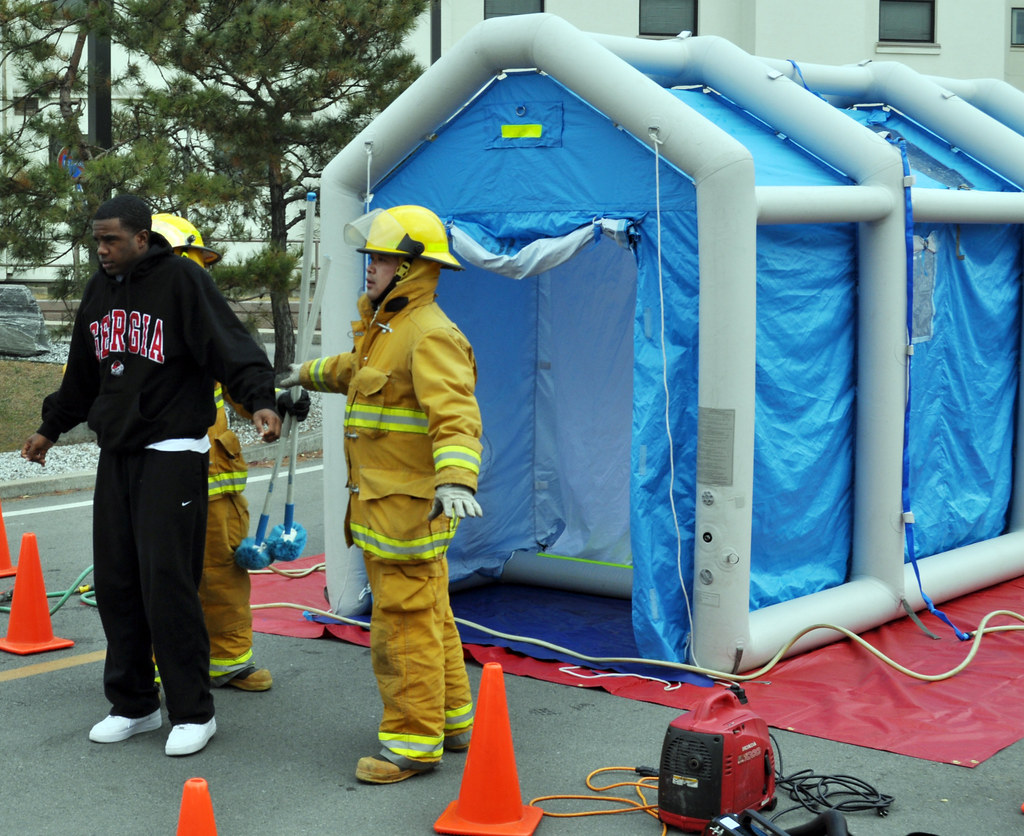
That distinction matters. A death inside a responding public-safety agency typically triggers not only a criminal investigation, but also internal notifications, line-of-duty protocols, family briefings and a broader review of how the incident unfolded.
The report did not provide enough publicly available detail to identify the sergeant, the other two people killed or the four wounded responders. It also did not specify the responders’ agencies or the severity of their injuries.
Key facts remain unanswered
Early shooting reports often arrive before authorities have finished securing the scene, notifying families or sorting out witness accounts. That is especially true when multiple responders are among the victims.
As of the available report, several central questions remained unclear: where the shooting occurred, whether a suspect was dead or in custody, whether the gunfire began before responders arrived, and what sparked the violence.
It was also not clear whether the four wounded responders were police officers, firefighters, emergency medical personnel or a mix of agencies. Those details will shape how officials describe the incident and what kind of investigation follows.
Until authorities release names and timelines, the safest reading is a narrow one: three people were reported killed, including a sergeant, and four responders were reported wounded. Anything beyond that still needs official confirmation.
Responder injuries change the stakes
When responders are wounded, a shooting becomes more complicated in real time. Crews may need to rescue victims while also protecting themselves from continued danger, and commanders may have to decide whether to send additional personnel into a scene that is not yet secure.
That can slow medical access, expand road closures and require help from neighboring agencies. It can also leave communities with conflicting early information as police, fire and EMS leaders work from the same fast-moving incident.
The emotional weight is different, too. A wounded or killed responder affects not only one family, but an entire department. Colleagues who were trained to manage emergencies may suddenly be grieving while still expected to keep the public safe.
That is why officials are often cautious with language in the first hours. Labels such as ambush, domestic incident, standoff or active shooter carry investigative weight, and authorities generally avoid them until they can support the description.
A grim echo from Minnesota
The reported shooting recalls the kind of grief seen after another first-responder tragedy in Burnsville, Minnesota, in 2024. CBS Minnesota reported that Burnsville police officers Paul Elmstrand and Matthew Ruge and firefighter/paramedic Adam Finseth were killed during a standoff.
In that case, CBS reported that Sgt. Adam Medlicott was wounded in the same shooting and later spoke at a public memorial for the three fallen responders. The suspect died by suicide, officials said at the time, and a woman and seven children escaped the home safely.
That Burnsville case is separate from the newly reported shooting. But it illustrates how responder casualties continue to ripple long after the gunfire stops: through funerals, investigations, survivor recovery, policy reviews and the daily routines of agencies that have lost their own.
It also shows why names are usually released carefully. Families must be notified first, departments must verify roles and officials must avoid adding confusion to an already traumatic event.
What officials will likely clarify
The next round of information will likely focus on the basics: the location, the identities of those killed, the condition of the wounded and whether there is any ongoing threat to the public.
Authorities may also explain whether the sergeant was on duty, whether the wounded responders were injured while arriving at the scene or during a later confrontation, and whether any civilians were among the dead.
Investigators will also need to account for the sequence of events. In shootings involving police or other responders, the order matters: the initial call, first contact, any exchange of gunfire, rescue efforts and the moment the scene was declared safe.
Those details can take time. In serious incidents, agencies may rely on body-camera footage, dispatch logs, radio traffic, medical reports, witness interviews and forensic evidence before issuing a fuller timeline.
The takeaway for now
The confirmed public picture is still thin, but the human stakes are clear. A sergeant is among three people reported dead, and four responders were reported wounded.
For readers following the story, the most useful approach is to watch for official updates from the agencies involved and avoid sharing unverified names, scanner claims or social media speculation. In mass-casualty scenes, early mistakes can spread faster than corrections.
More details are expected as authorities complete family notifications and release a fuller account of what happened. Until then, the reported casualty count stands as the central fact — and a sobering reminder of how quickly a call for help can become a crisis for the helpers themselves.




Leave a Reply