
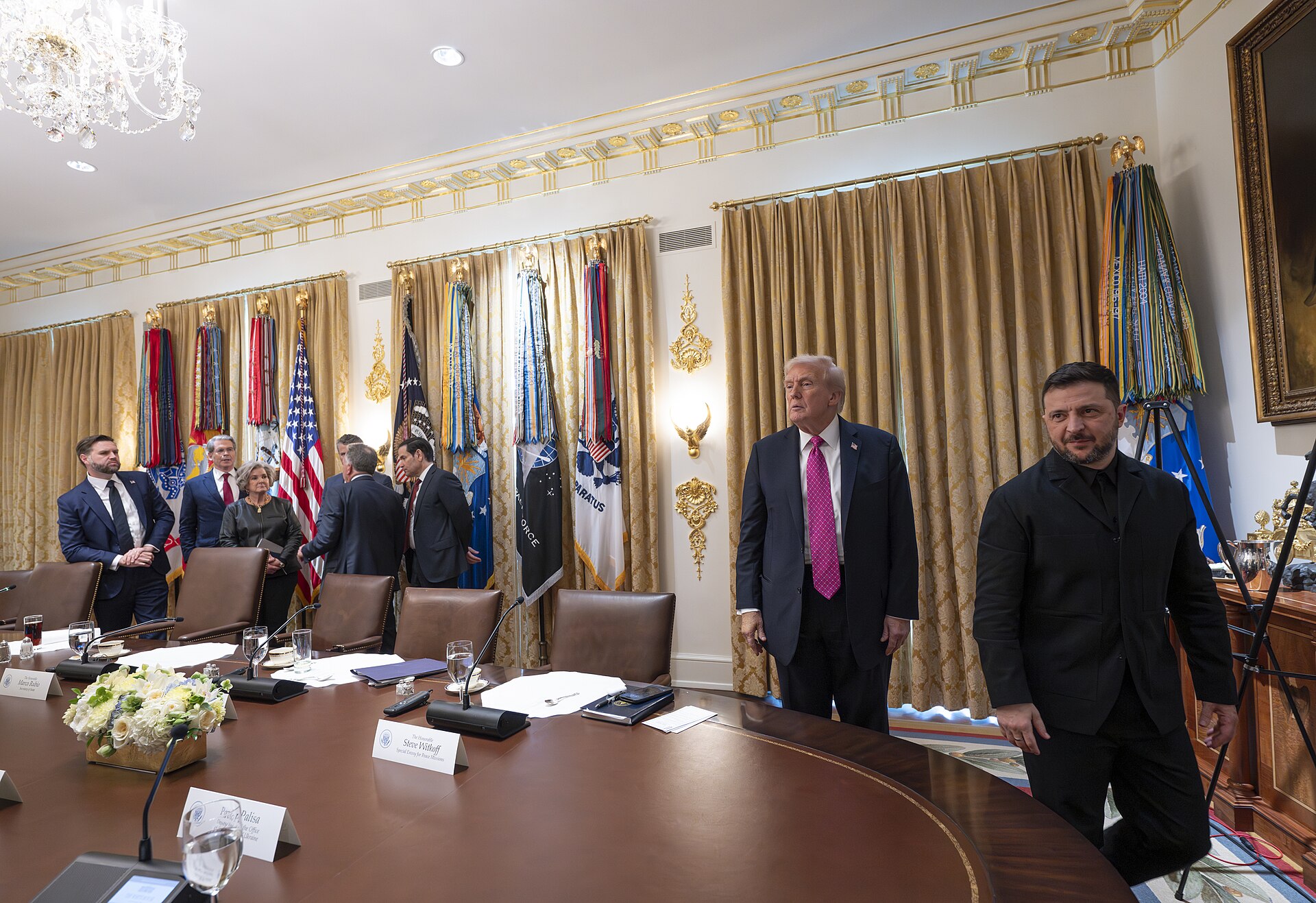
The closed Washington meeting put U.S. support for Ukraine back at the center of Trump’s foreign-policy agenda. Public accounts pointed to talks on weapons production and expanded cooperation, but left key commitments unclear.
Volodymyr Zelenskyy met with Donald Trump at the White House in Washington on Tuesday, and the meeting was described as a good meeting as Zelenskyy is seeking greater U.S.-Ukraine cooperation.
The leaders held a closed meeting and discussed ways to increase support for Ukraine in its war with Russia, including cooperation tied to Ukraine producing more of its own weapons, according to Associated Press reporting republished by The Philadelphia Inquirer.
A careful public signal
The phrase “good meeting” may sound routine, but in this case it carried weight. Trump and Zelenskyy have had a relationship watched closely by allies, critics and Moscow alike, because the tone between Washington and Kyiv can shape expectations about weapons, diplomacy and battlefield staying power.
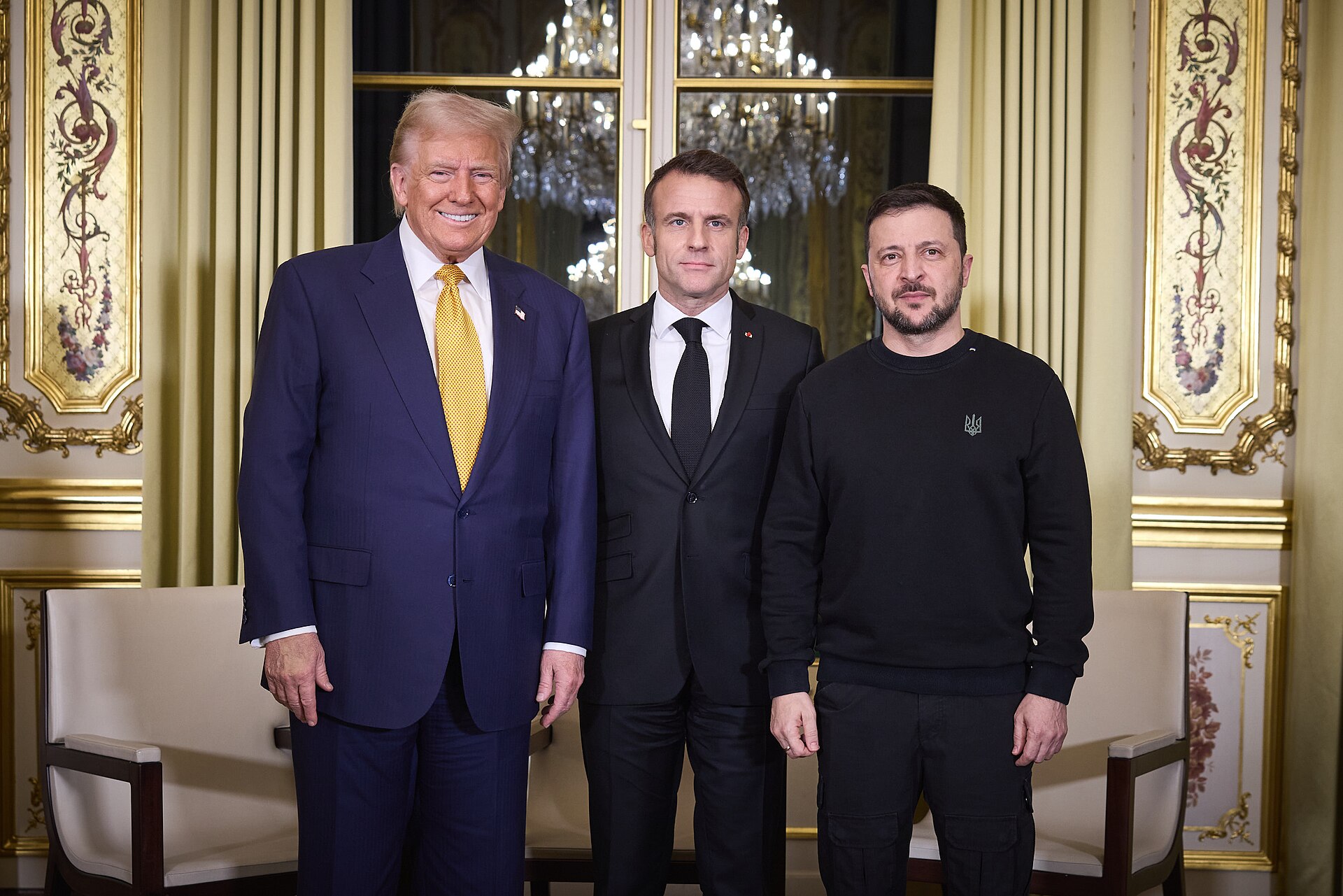
For Zelenskyy, the White House meeting was not just a courtesy call. Ukraine remains locked in a war with Russia, and every discussion with a U.S. president is read for clues about whether American support will expand, stall or shift into a different form.
For Trump, the meeting offered a chance to show how he intends to handle a war that has tested U.S. policy, NATO unity and congressional patience. The available public account did not announce a major new package, but it did point to a practical topic: how Ukraine can strengthen its own defense production.
Weapons production moves center stage
The Associated Press report said Trump and Zelenskyy discussed Ukraine producing its own weapons amid the ongoing war with Russia. That detail matters because it suggests the conversation was not limited to emergency aid or short-term battlefield needs.
Helping Ukraine make more of its own weapons could change the nature of U.S.-Ukraine cooperation. Instead of relying only on shipments from American stockpiles, Kyiv has been trying to build a more durable defense base that can keep pace with a long war.
That approach has obvious appeal for Ukraine. Domestic production can shorten supply lines, reduce delays and give Kyiv more control over what it can field. It also lets U.S. officials argue that support is not only about sending weapons abroad, but about helping Ukraine become more self-sustaining.
The limits are just as real. Scaling production takes money, technology, licensing, parts and security. A meeting can open the door, but factories, contracts and export rules determine whether the idea becomes meaningful.
Why Washington’s backing matters
The United States remains central to Ukraine’s war effort because of its military capacity, diplomatic influence and role in coordinating Western support. Even when other countries contribute heavily, signals from Washington can affect the calculations of allies and adversaries.
For Ukraine, greater cooperation with the United States is not an abstract diplomatic goal. It can mean air defense, ammunition, training, intelligence sharing, maintenance and industrial partnerships. Some of those areas can be discussed publicly; others are usually handled behind closed doors.
Russia also watches these meetings closely. A public show of alignment between a U.S. president and Ukraine’s leader can signal that Kyiv is not isolated. A vague or strained readout can invite speculation that support may be weakening.
That is why a short phrase like “good meeting” can travel quickly through political channels. It does not prove a breakthrough, but it reduces the appearance of rupture at a moment when Ukraine is looking for steadier cooperation.
Trump’s balancing act
Trump’s approach to Ukraine has long drawn intense scrutiny from both supporters and critics. Some voters and lawmakers want tighter limits on U.S. commitments overseas. Others argue that backing Ukraine is essential to deterring Russia and defending European security.
The White House meeting sits directly inside that tension. Expanded cooperation could be framed as a strategic investment in Ukraine’s ability to defend itself. It could also face questions from skeptics who want clearer costs, timelines and conditions.
Zelenskyy’s challenge is to make Ukraine’s case in terms that resonate in Washington. That means emphasizing not only Ukraine’s survival, but also the broader stakes for U.S. interests, allied credibility and the cost of allowing Russia to dictate outcomes by force.
Trump’s challenge is different. He must decide how much support he is willing to provide, what form it should take and how to present it to an American audience divided over foreign aid.
What the meeting did not settle
The public reporting available so far leaves several important questions unanswered. It does not establish whether Trump agreed to a specific new weapons arrangement, whether the leaders discussed sanctions, or whether any formal agreement on production was reached.
It also remains unclear how quickly any expanded cooperation could affect Ukraine’s battlefield position. Defense production is usually measured in months and years, while battlefield needs can be immediate.
That gap between diplomatic language and military reality is where expectations can get ahead of facts. A positive meeting can matter politically, but Ukraine still needs concrete commitments, reliable timelines and the ability to absorb new support effectively.
The closed nature of the meeting means outside observers are left with signals rather than a full transcript. In wartime diplomacy, that is common. It also means the next steps will matter more than the warm description of the conversation.
The takeaway for Ukraine
Zelenskyy’s White House visit shows that Ukraine is pressing for a broader partnership with the United States, not merely another round of symbolic support. The emphasis on weapons production points toward a longer-term strategy: helping Ukraine fight now while building capacity for whatever comes next.
For Trump, the meeting put Ukraine policy back in full view. He can deepen cooperation, redefine it, attach new conditions or keep details limited while talks continue. Each option sends a different message to Kyiv, Moscow and U.S. allies.
The immediate outcome is modest but significant: Zelenskyy and Trump met face to face, described the encounter positively and discussed support for Ukraine against Russia. The larger question is whether that good meeting becomes a durable policy shift or remains a diplomatic signal waiting for substance.











Leave a Reply