
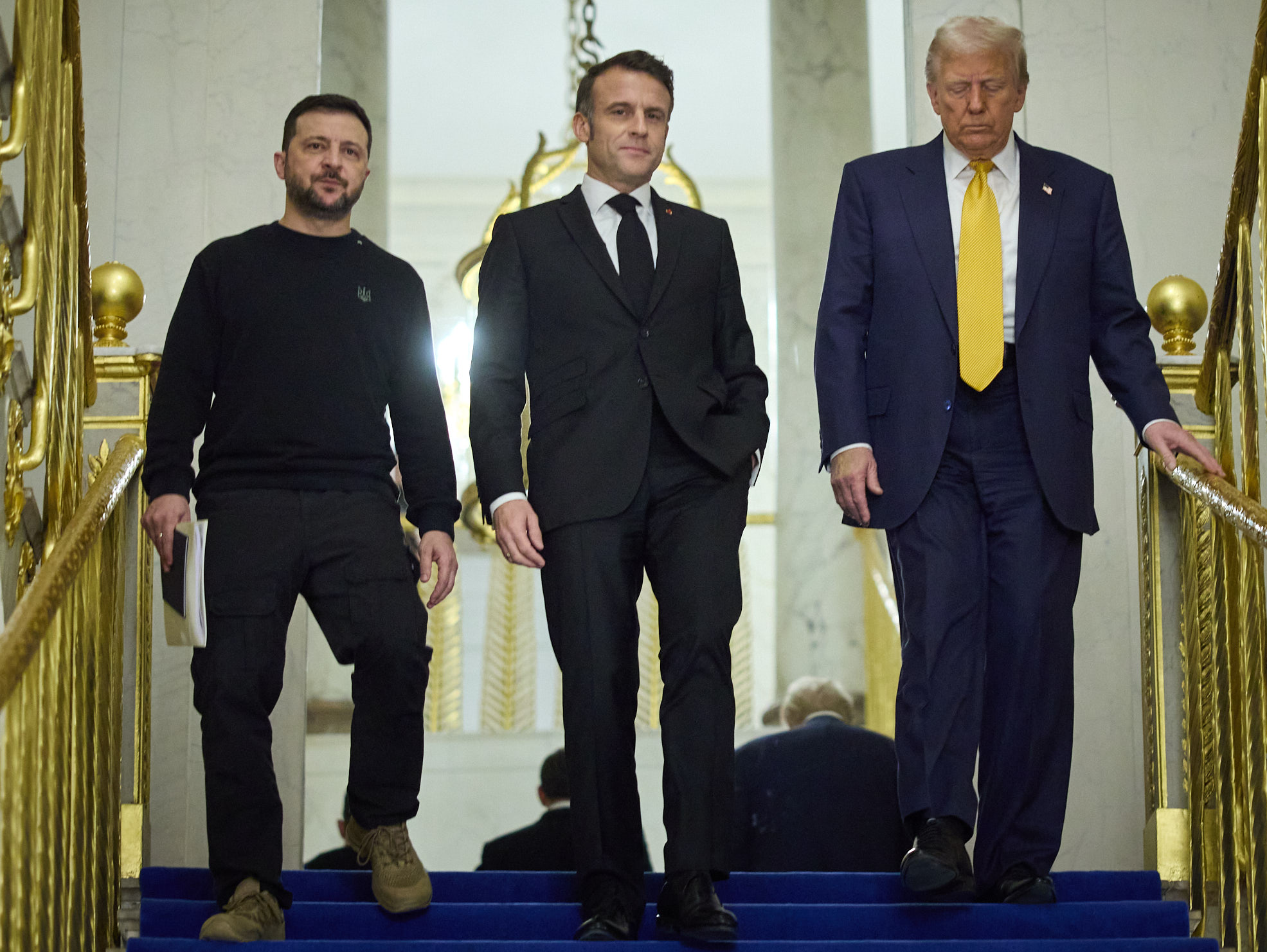
The meeting is not just summit theater. For Kyiv, the question is whether a high-profile Trump-Zelenskyy encounter produces concrete help or more pressure over a peace deal.
Donald Trump is expected to meet Ukrainian President Volodymyr Zelenskyy on the sidelines of a NATO summit, a high-stakes encounter landing at a moment of renewed anxiety over possible strikes in Ukraine.
The meeting matters because Kyiv is not looking for symbolism alone. Zelenskyy needs military support, air-defense clarity and a signal that Washington will not treat Ukraine as a bargaining chip in a rushed peace push.
A summit meeting with weight
Reuters reported that Trump said he would probably meet Zelenskyy during the NATO summit. The Independent, in live coverage carried by MSN, framed the expected encounter against fears of strikes tied to the war.
That makes the setting important. NATO summits are built for statements of unity, choreographed handshakes and carefully drafted communiques. But the margins of the summit can matter just as much as the main stage, especially when the U.S. president and Ukraine’s wartime leader sit down face to face.
For Zelenskyy, the meeting is a chance to keep Ukraine at the center of the alliance’s attention. For Trump, it is a test of whether his push to end the war comes with pressure on Moscow, pressure on Kyiv, or both.
Kyiv needs more than reassurance
The practical issue hovering over the meeting is protection. Reuters has reported that Trump has signaled openness to providing more military help to Kyiv, including consideration of additional Patriot air-defense systems, after discussions with Zelenskyy at a NATO gathering.
That is not a small detail. For Ukraine, air defense is not an abstract weapons category. It is the difference between intercepting incoming missiles and watching cities, energy infrastructure or military sites absorb another wave of attacks.
Patriot systems are especially valuable because they can counter some of the most dangerous aerial threats. They are also scarce, expensive and politically sensitive, which means any U.S. move to provide more of them sends a message far beyond the battlefield.
If Zelenskyy presses for more support, the ask is likely to be measured in timelines and deliverables, not friendly language. Kyiv has heard supportive words from allies for years. What it needs most urgently is equipment that arrives before the next escalation, not after it.
Trump’s pressure cuts both ways
The meeting also comes with a political complication: Trump has repeatedly cast himself as a dealmaker who can push the war toward an end. Reuters has reported that Trump has blamed Zelenskyy, rather than Vladimir Putin, for holding up a peace deal in at least one recent account of his approach.
That posture creates an awkward dynamic for Ukraine. Zelenskyy needs the United States as a weapons supplier, diplomatic heavyweight and security partner. But he also has to guard against any settlement that rewards Russia’s invasion or leaves Ukraine exposed to another round of aggression later.
There is another side to the equation. Reuters has also reported Trump saying Putin has to end the war, a line that suggests the former and current pressure campaign is not aimed only at Kyiv. The question is how that pressure is applied when Trump and Zelenskyy are in the same room.
For Ukraine, a good meeting would not be defined by warm words alone. It would mean Trump publicly links peace to Russian responsibility while leaving space for Ukraine to defend its territory and negotiate from strength.
NATO allies will read the room
NATO leaders will be watching the Trump-Zelenskyy exchange closely, even if they are not in every private conversation. The United States remains the alliance’s central military power, and its stance shapes how other governments calibrate their own commitments to Ukraine.
A constructive meeting could reassure allies that Washington is still prepared to back Kyiv as the war drags on. A tense or ambiguous one could raise doubts about whether U.S. policy is shifting toward a faster deal at Ukraine’s expense.
That is why the optics matter, even if they are not enough. A handshake, a photo and a short statement can move markets, capitals and military planners because they signal where U.S. priorities may be heading.
Moscow will be watching too. Any visible split between Ukraine and its most important backer would be useful propaganda for the Kremlin. Any sign that Trump is prepared to keep supplying advanced defenses would send a very different message.
The hardest questions remain open
Several key details remain unclear. Neither a reported meeting nor a summit appearance automatically means a weapons package, a peace framework or a shift in U.S. policy is ready to be announced.
The open questions are the ones that matter most:
- Air defense: Will Ukraine receive additional Patriot systems or related interceptors, and on what timeline?
- Military aid: Will Trump commit to sustained support, or keep decisions case by case?
- Peace talks: Will the U.S. push for negotiations in a way that protects Ukraine’s security interests?
- NATO unity: Will the summit produce a clear alliance message, or leave room for mixed signals?
There is also the question of what strike fears mean in immediate operational terms. Public reporting points to concern over possible attacks, but the scale, timing and targets of any future strikes are not publicly established.
The real test comes after
The most important outcome may not be visible at the summit podium. It may come in the days after, in whether U.S. officials announce specific aid, whether NATO allies coordinate follow-on support and whether Trump’s public comments harden or soften toward Kyiv.
Zelenskyy has become highly skilled at using international gatherings to turn attention into commitments. But this meeting is different because Trump’s approach to the war is less predictable than the traditional NATO consensus around Ukraine.
That is the tension at the center of the expected meeting: Ukraine needs speed, clarity and weapons; Trump wants leverage and a pathway to a deal. Those goals can overlap, but they can also collide.
For readers trying to gauge what this summit means, the cleanest measure is not whether the two leaders meet. It is whether the encounter leaves Ukraine safer the next morning than it was the day before.





Leave a Reply