
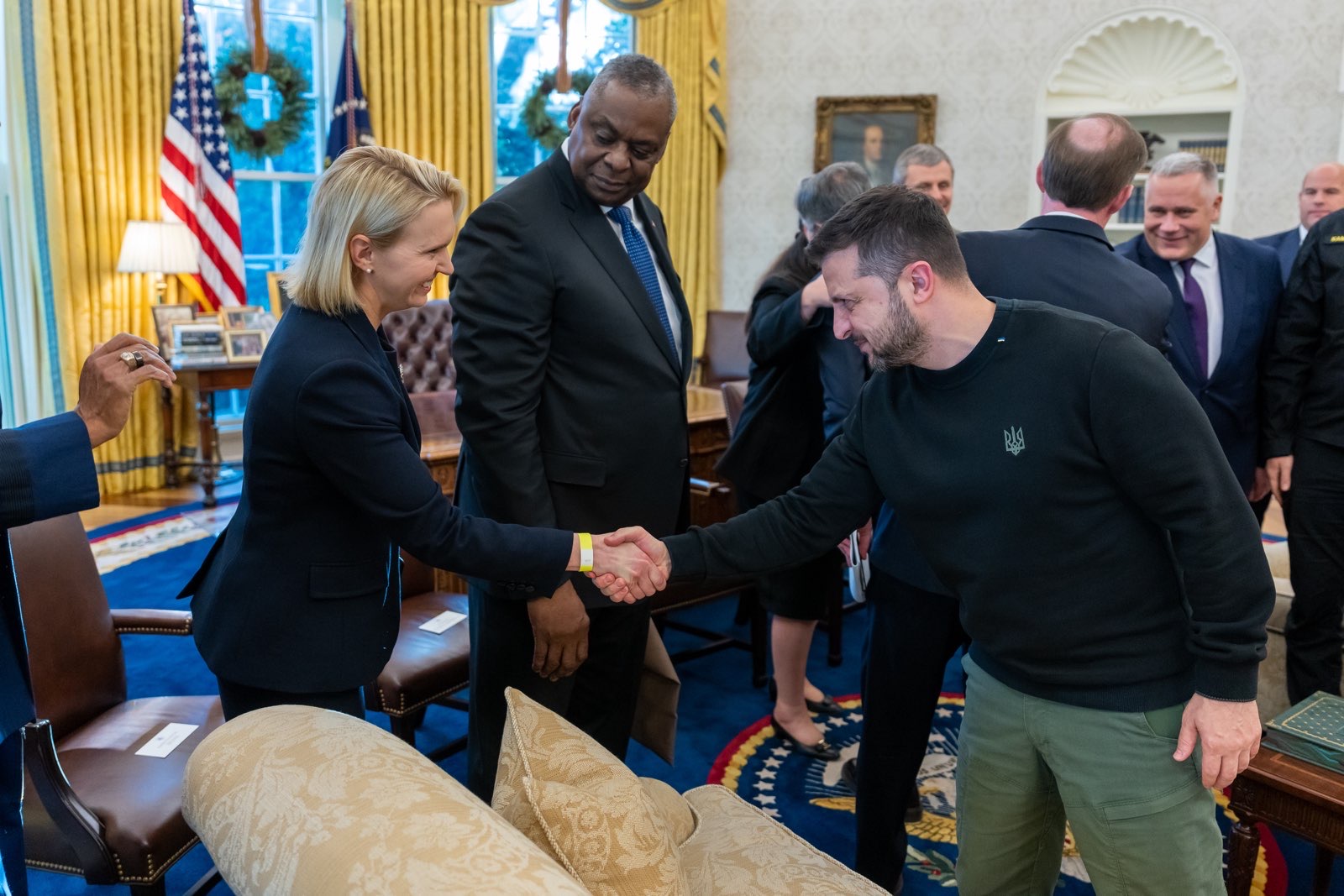
The back-to-back visits underscored how much both wartime leaders still need Washington, even when the Oval Office brings uncertainty as well as access.
Donald Trump met with Volodymyr Zelenskyy and Benjamin Netanyahu at the White House in Washington, D.C., on July 28 in separate, tightly sequenced talks that put Ukraine and Israel in the same frame of Trump-era pressure. NBC News reported that Zelenskyy left the White House at 10:41 a.m. and Netanyahu arrived at 10:56 a.m.; for Zelenskyy and Netanyahu, the task was to brave the whims of Trump’s darkly confounding White House while protecting wartime interests.
That timing matters. Available reporting points to consecutive visits, not a three-way summit, but the symbolism was hard to miss: two leaders dependent on American power, walking through the same doors, trying to read the same president.
A 15-minute diplomatic handoff
The narrow gap between Zelenskyy’s departure and Netanyahu’s arrival gave the day an almost stage-managed quality. NBC News’ live updates placed the two visits minutes apart, turning separate meetings into a shared test of White House access.
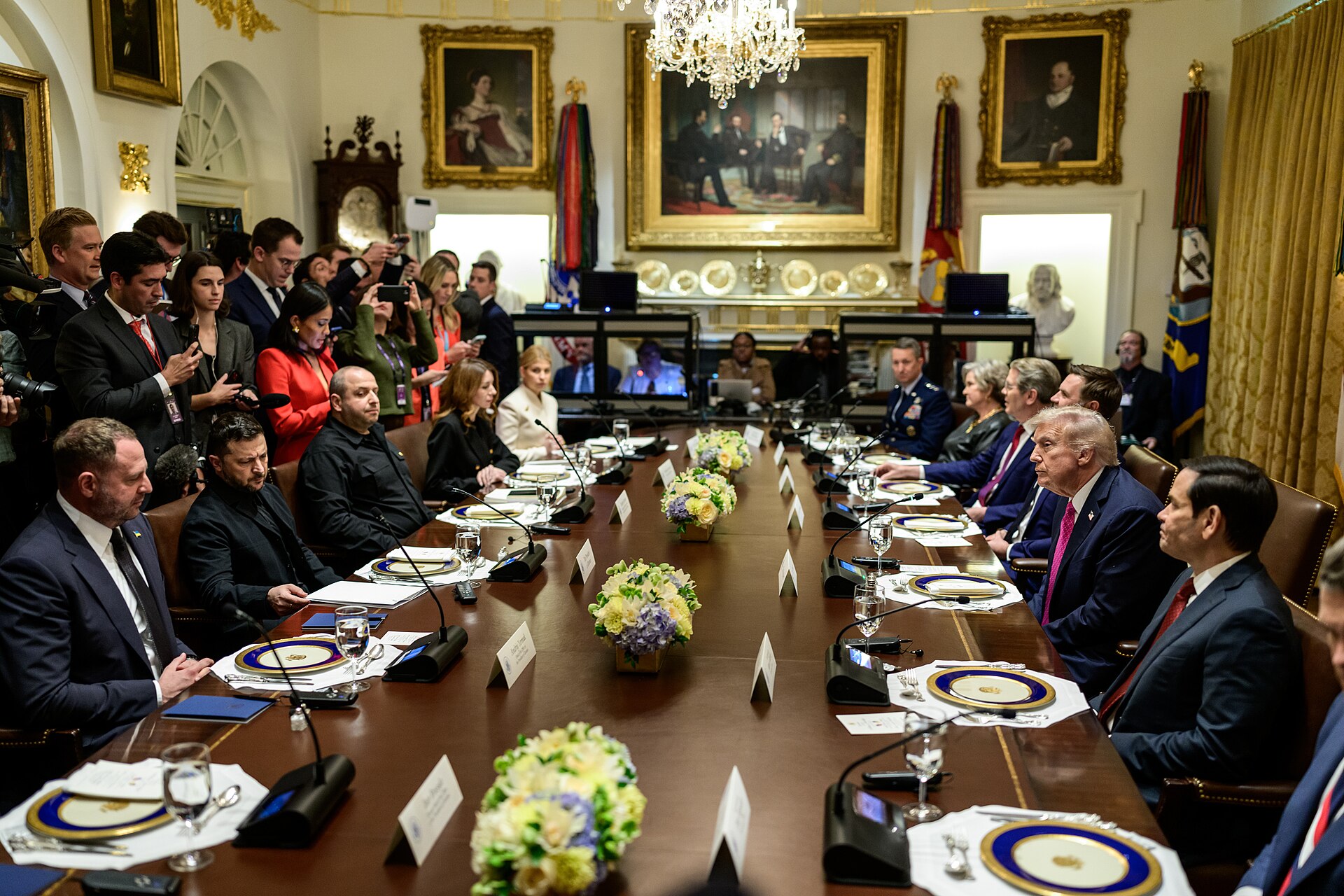
For Trump, that arrangement amplified the message that Washington remains the room where major security questions are argued, traded and sometimes unsettled. For the visitors, it meant the meetings were not only about policy. They were also about performance, tone and the risk of a public signal that could travel faster than any formal readout.
The Guardian’s framing of the moment as Zelenskyy and Netanyahu braving Trump’s White House whims captured a real diplomatic problem: when the host is unpredictable, the guest’s first job is to avoid losing ground.
Zelenskyy’s problem is dependence
Zelenskyy arrived as the leader of Ukraine, a country whose war effort has relied heavily on American weapons, intelligence support and diplomatic backing. Even when European allies step up, the United States remains the indispensable player in Kyiv’s calculations.
That gives Trump leverage. He has often cast foreign policy in transactional terms, pressing allies to show what the United States gets in return. For Zelenskyy, the pressure is to make Ukraine’s case without appearing either ungrateful or trapped by Washington’s political mood.
The stakes are not abstract. Any shift in American support can affect Ukraine’s battlefield planning, its negotiating posture and the confidence of other governments deciding whether to keep investing in Kyiv’s defense.
Zelenskyy also has to manage the optics at home. A successful White House visit can reassure Ukrainians that their cause still commands attention. A tense one can feed doubts about whether the country’s most important outside partner is steady enough for a long war.
Netanyahu brings a different calculation
Netanyahu’s dependence on Washington is different from Zelenskyy’s, but it is real. Israel has a deep, long-running security relationship with the United States, and American support can shape military supplies, diplomatic cover and the broader regional message sent to allies and adversaries.
Unlike Zelenskyy, Netanyahu comes with a more established Washington network and a history of dealing directly with Republican presidents. That can give him confidence in the room. It does not remove the risk.
Trump’s support for Israel has often been strong, but support does not mean passivity. A president who prizes personal leverage can still press for public alignment, policy concessions or a narrative that serves his own political needs.
For Netanyahu, the White House visit is partly about keeping the U.S. relationship visibly close. It is also about avoiding any impression that Israel’s room for maneuver is being narrowed by an American president who may mix private assurances with public pressure.
Trump turns access into leverage
The common thread for both leaders is that a Trump White House meeting is rarely just a meeting. It is an audience, a negotiation and a televised signal all at once.
Supporters of Trump’s style see that as useful. They argue that unpredictability can force foreign leaders to deal more directly with American demands, rather than relying on diplomatic formulas that preserve the status quo.
Critics see the same unpredictability as a liability. In their view, allies spend too much energy managing Trump’s mood and too little time building durable policy. That uncertainty can encourage adversaries to wait for cracks, especially when U.S. commitments appear tied to personal chemistry.
Both views help explain why Zelenskyy and Netanyahu faced pressure before any formal outcome was known. In this White House, the choreography can matter almost as much as the communiqué.
Two wars, one Washington reality
Ukraine and Israel are not interchangeable cases. Ukraine is fighting for national survival against Russia. Israel’s security challenges sit inside a different regional and political landscape. The moral, legal and strategic debates around each conflict are distinct.
Yet the back-to-back visits exposed a shared reality: both leaders need the United States to remain engaged, and both must adapt to Trump’s preference for personal diplomacy and visible leverage.
That creates a strange balance. Zelenskyy needs reassurance that Washington will not tire of Ukraine’s war. Netanyahu needs confidence that U.S. backing will remain firm while Israel faces scrutiny and pressure over its choices. Trump, meanwhile, gets to position himself as the broker every side must approach.
The risk is that symbolism outruns substance. A cordial photo can calm markets and allies for a day. It cannot answer whether weapons, diplomatic commitments or strategic understandings actually changed behind closed doors.
What remains unclear
The biggest unanswered question is whether either meeting produced concrete commitments. The available reporting establishes the sequence of the visits, but not a detailed policy outcome.
Several issues now matter more than the optics:
- Whether Ukraine received specific assurances on military or diplomatic support.
- Whether Trump attached conditions to future backing for Kyiv.
- Whether Netanyahu secured clear U.S. support for Israel’s next steps.
- Whether either leader left with private commitments that differ from the public messaging.
- How Russia, regional powers and U.S. allies interpret the White House choreography.
The clean takeaway is that Zelenskyy and Netanyahu entered the same building with different agendas but a shared vulnerability. They needed Trump’s attention, and Trump’s attention is never cost-free.
For Ukraine and Israel, the visits matter because White House signals can ripple far beyond Washington. For Trump, they reinforced a central feature of his foreign policy: allies may get access, but they also have to navigate uncertainty as part of the price.











Leave a Reply