
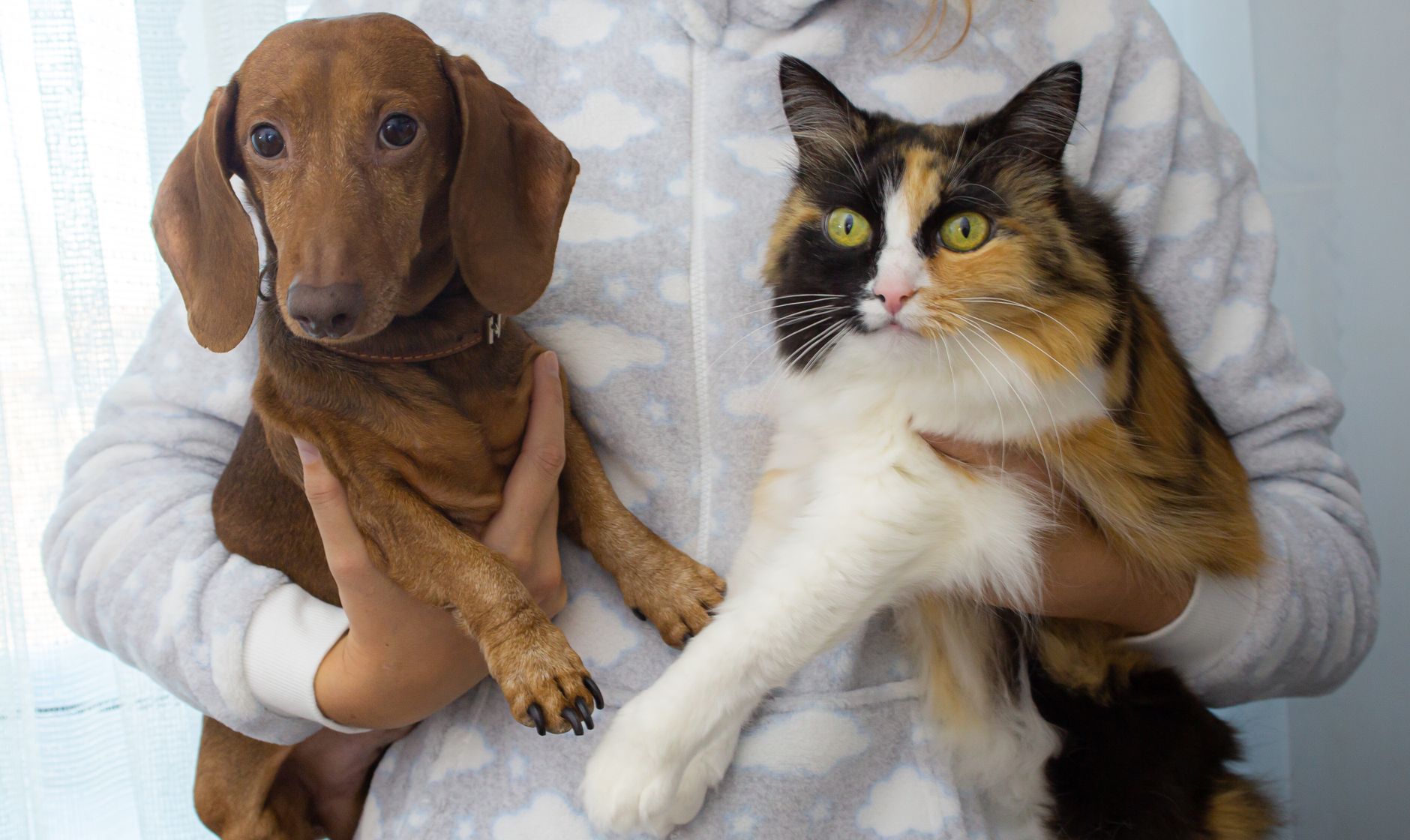
When pets grow up side by side, owners often assume the relationship is settled. Animal behavior experts say the bond can be real, but the surprises usually come from timing, territory and changing needs.
A cat and a dog growing up as “siblings” is the kind of pet story people click because it feels impossible and familiar at the same time.
An offbeat Newsweek story surfaced on MSN described an owner who raised a cat and dog together, only to face a surprise five years later. The details that made readers react are less important than the question behind them: how much does growing up together really change two animals that are wired so differently?
Early bonding changes the odds
Cats and dogs are not natural enemies, despite decades of cartoons insisting otherwise. They are different species with different social rules, and that is where many household problems begin.
A puppy may rush in with loose, goofy enthusiasm. A kitten may read that same approach as pressure. A wagging tail can mean friendliness in a dog, while a lashing tail in a cat can mean irritation. The animals are not “fighting like cats and dogs” because they hate each other. Often, they are misreading each other.
That is why growing up together matters. A young dog that learns a specific cat’s signals early may become gentler around that cat. A cat that learns a specific dog is predictable may stop treating every canine movement as a threat. Over time, the pair can create a private language that looks a lot like sibling behavior to humans.
The American Veterinary Medical Association and major shelter organizations routinely stress gradual introductions, supervision and safe spaces when combining pets. The reason is simple: familiarity can lower stress, but it has to be built. When that familiarity starts in youth, the relationship often gets a head start.
“Siblings” is a human shortcut
Owners call bonded pets siblings because it captures what they see: shared routines, naps on the same couch, play sessions, jealousy over attention and the occasional argument. It is useful language, but it can also be misleading.
A dog does not understand siblinghood the way a person does. A cat does not sign on to a family role because the humans assigned one. What they understand is predictability, access to resources, safety, territory and patterns of reward.
That does not make the bond fake. Anyone who has watched a dog look for a missing cat, or a cat choose the dog’s bed over an empty room, knows attachment can be powerful. The mistake is assuming the label explains everything.
Calling them siblings may cause owners to overlook signals that the relationship is changing. One pet may be tolerating contact rather than enjoying it. One may be guarding a bed, a food bowl or a favorite person. The household story can be sweet while the animal-level negotiation is more complicated.
Five years can change everything
The time jump in the viral story is what makes it interesting. Five years is not a small window in a pet’s life. A kitten and puppy raised together may enter adulthood, settle into routines and then hit new stages of maturity that alter the balance.
Adult dogs can become more protective, less playful or more sensitive to pain. Adult cats can become more territorial, more selective about touch or less tolerant of rough play. Health changes can also appear quietly. A pet that suddenly snaps, hides, hisses or avoids a companion may not be “turning mean.” It may be sore, stressed or overwhelmed.
Major behavior shifts are one of the reasons veterinarians often recommend a medical check before assuming a pet problem is purely behavioral. Pain, dental disease, arthritis, vision changes and hormonal issues can all change how an animal reacts to a familiar housemate.
There is also the boredom factor. Two pets that once entertained each other may need different kinds of enrichment as they age. The dog may still want chase games. The cat may want vertical escape routes and quiet. If the environment does not adapt, the old sibling act can start to fray.
The bond can look strange
Cat-dog pairs often go viral because their affection does not fit the script. A cat grooms a dog’s face. A dog lets a cat steal its bed. They nap in a heap, wrestle gently or follow each other from room to room. To viewers, it looks like a tiny peace treaty between rival nations.
Behaviorally, some of it is easier to explain. Grooming can be social. Sleeping near another animal can reflect trust and warmth. Following can be curiosity, attachment or routine. Even play fighting can be healthy when both animals keep returning voluntarily, taking turns and showing loose body language.
The warning signs are different. Owners should pay attention when one pet cannot escape, when chasing always goes one way, when the cat hides after every interaction, or when the dog becomes stiff, fixated or unable to disengage. A video that looks funny for ten seconds can mask a pattern that is stressful every day.
Good mixed-pet households usually have one thing in common: exits. Cats need high places, covered retreats and dog-free zones. Dogs need training cues, impulse control and a place to settle. The relationship works better when neither animal has to rely on the other being perfect.
Owners should manage the magic
The best part of a cat-dog friendship is that it can feel effortless. The risky part is believing it actually is. Even bonded animals need structure.
For households trying to build or preserve that bond, the practical rules are not complicated:
- Feed separately if either pet shows tension around bowls, treats or food puzzles.
- Protect the cat’s vertical space with shelves, trees or rooms the dog cannot access.
- Interrupt rough play early before one animal has to escalate.
- Reward calm behavior near each other, not just cute high-energy moments.
- Watch for sudden changes in sleep, appetite, hiding, growling, hissing or clinginess.
These steps do not make the relationship less special. They make it safer. The goal is not to force a Disney friendship. It is to let the animals choose comfort over conflict.
That is especially important because online pet stories tend to flatten the hard parts. A viral clip can show the adorable payoff, not the months of careful introductions, the baby gates, the separate feeding stations or the owner learning when to step in.
The real lesson behind the surprise
The reason cat-and-dog stories keep spreading is not just cuteness. They give people a hopeful little contradiction: two animals that are supposed to clash instead building a shared life.
But the most useful takeaway is more grounded. Pets can form deep cross-species bonds, especially when they grow up together, but those bonds are not frozen in time. Age, health, territory and routine can shift the relationship years later.
So when an owner says a cat and dog were raised like siblings and still managed to surprise the household five years on, the surprise should not be that animals are unpredictable. It should be that the relationship was alive enough to change.
For pet owners, that is the lesson worth keeping: enjoy the odd little friendships, take the cuddly photos, laugh at the bed stealing. Just keep reading the room the way your pets are reading each other.











Leave a Reply