
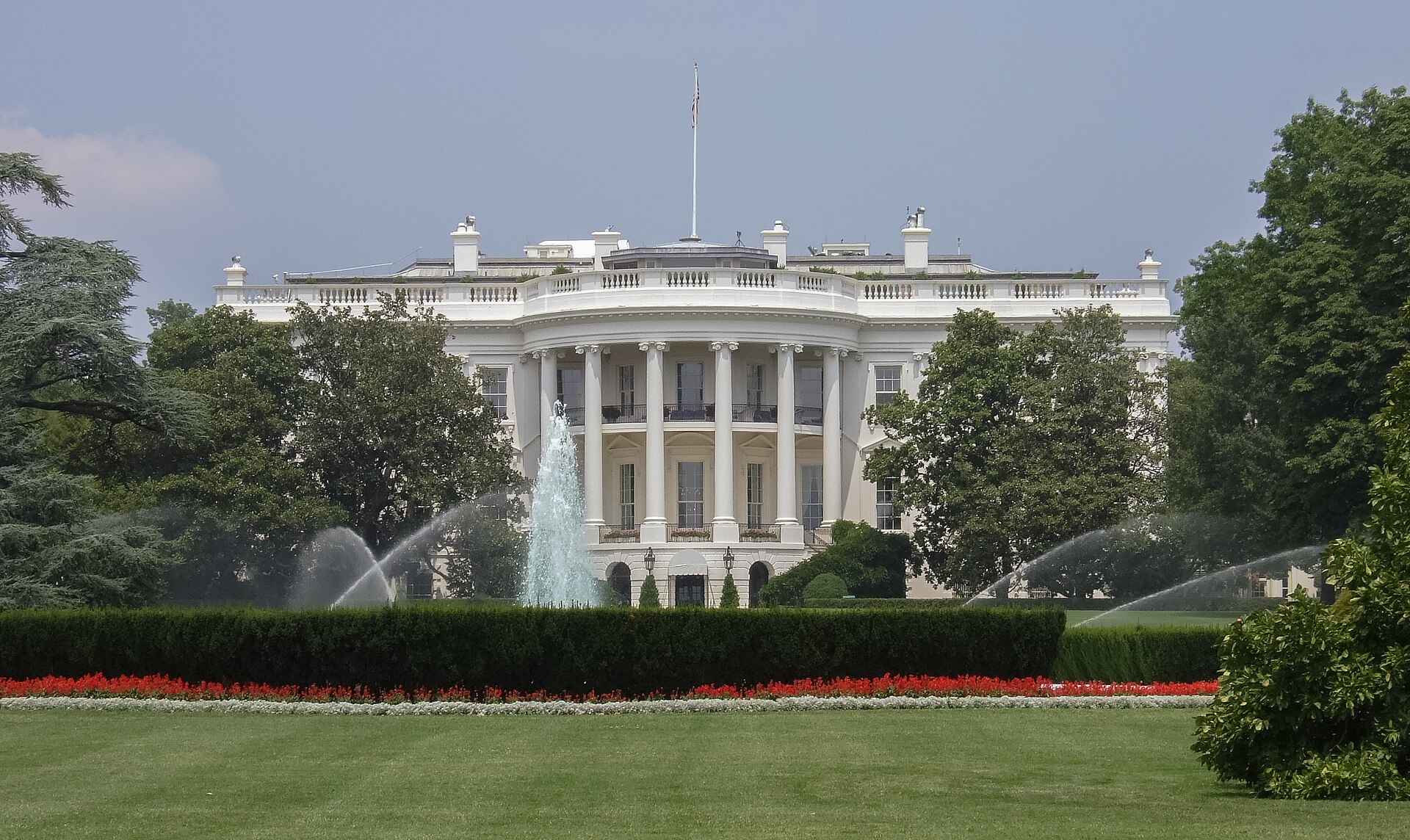
The office is meant to help steer the federal response to future pandemics. Its limited staffing puts a spotlight on how much capacity Washington has kept in place after COVID-19.
The White House’s pandemic preparedness office has a very small staff, even though the office prepares for and responds to pandemics across the federal government. That contrast matters now because its tiny team matters for public health preparedness, especially when a new outbreak can force fast decisions on testing, vaccines, data, supplies and public communication.
The office, formally known as the Office of Pandemic Preparedness and Response Policy, was created to keep pandemic readiness from scattering across agencies after the emergency phase of COVID-19. A small White House team can be nimble. It can also become a bottleneck if the next crisis arrives before the system is fully rehearsed.
A small office with a big assignment
The central tension is simple: the White House pandemic preparedness office is not supposed to be a giant health department. It is supposed to sit close to the president and coordinate the agencies that already have the money, labs, stockpiles, scientists and emergency authorities.
That role can sound bureaucratic until a pathogen starts spreading. During a public health emergency, coordination is not a side task. It affects which agency leads, how quickly supplies move, how the government communicates risk, and whether state and local officials get clear guidance instead of competing signals.
The Congressional Research Service has described the Office of Pandemic Preparedness and Response Policy as a White House-level body tied to federal pandemic planning and response. Reuters reported when the office launched in July 2023 that it was created to prepare for and respond to potential pandemics and would be led by Paul Friedrichs, a military combat surgeon.
That makes the staffing question more than an inside-Washington headcount story. The office’s value depends on whether it has enough people and authority to make the rest of government move in sync.
Why White House placement matters
Public health preparedness already has many homes in the federal government. The Centers for Disease Control and Prevention tracks disease threats. The Food and Drug Administration regulates vaccines, tests and treatments. The National Institutes of Health funds research. The Department of Health and Human Services manages major health programs. Other agencies handle borders, schools, defense, transportation, agriculture and emergency logistics.
A White House office exists because pandemics do not stay inside one department’s lane. A respiratory virus can affect hospitals, workplaces, schools, airports, nursing homes, supply chains and the economy at the same time.
The argument for a small White House team is that it can focus on strategy rather than running programs directly. Its job is to ask whether agencies are prepared, whether plans match the threat, and whether unresolved disputes need presidential attention.
The argument against an overly small team is that pandemic readiness is a constant maintenance problem. Plans age. stockpiles expire. data systems fall behind. Exercises get delayed. Officials change jobs. Without enough dedicated staff, the work can become reactive, surfacing only when alarms are already ringing.
The COVID lesson was coordination
The United States did not leave COVID-19 with a single lesson. Some experts emphasize faster vaccine development. Others focus on public trust, school closures, hospital capacity, supply chains, testing failures or the uneven burden on low-income communities and older Americans.
But one lesson cuts across all of them: the federal response depends on coordination before the emergency. Waiting until a disease is already spreading widely leaves leaders to build systems while using them.
An archived White House pandemic preparedness plan from 2021 called for transformed capabilities, including rapid, highly accurate diagnostic platforms that could be modified for new pathogens. That kind of goal requires more than scientific ambition. It requires agencies to agree ahead of time on funding, standards, distribution, manufacturing capacity and public messaging.
The President’s Council of Advisors on Science and Technology also warned in a 2023 public health workforce report that the broader system depends on people, not just plans. A White House office cannot replace the national public health workforce. It can, however, help keep workforce weaknesses visible at the highest level of government.
Tiny can be efficient or fragile
There is a fair case for keeping the office lean. A small staff can avoid duplicating the work of HHS, CDC, FDA and other agencies. It can act as a high-level coordinator rather than creating another layer of bureaucracy.
That model works best when the office has clear authority, direct access to senior officials and enough subject-matter expertise to challenge agencies when timelines slip. In that version, a small White House team is more like an air traffic control tower than an airline. It does not fly every plane, but it must see the whole sky.
The risk is that pandemic preparedness is too complex for a skeleton crew. A team charged with monitoring biological threats, testing readiness, vaccine capacity, supply chains, international coordination, data systems and response exercises may struggle if it has too few people to follow each area closely.
The real issue is not whether the office is large by Washington standards. It is whether its staff size matches the mission Congress and the White House expect it to perform.
What readers should watch next
The most important unanswered question is what the office can actually compel agencies to do. Coordination is powerful when it comes with deadlines, budget influence and presidential backing. It is weaker when agencies can treat it as another meeting invitation.
Several practical signals will show whether the office has enough capacity:
- Regular preparedness exercises: simulated outbreaks can reveal gaps before a real emergency does.
- Clear public plans: updated strategies help states, hospitals, schools and businesses understand federal expectations.
- Budget visibility: preparedness promises mean little if agencies are not funded to carry them out.
- Defined agency roles: confusion over who leads can slow early response when speed matters most.
- Workforce attention: a White House office can elevate shortages in epidemiology, laboratories, data systems and local health departments.
There is also a political problem. Pandemic preparedness is easiest to ignore when there is no visible crisis. The work is expensive, technical and often invisible when it succeeds. That makes it vulnerable to shrinking attention once the memory of the last emergency fades.
A tiny team at the White House may still be effective if it has the president’s ear and strong links across government. If it does not, the office risks becoming a symbol of a familiar cycle: panic during outbreaks, promises afterward, and quiet underinvestment until the next threat arrives.
The takeaway on preparedness
The White House pandemic preparedness office was designed to keep pandemic response from being improvised agency by agency. That mission remains important because the next serious outbreak will not wait for Washington to rebuild coordination from scratch.
The staffing concern is not proof that the country is unprepared. It is a warning light worth taking seriously. A small office can coordinate a large government, but only if it has enough expertise, authority and sustained attention to keep readiness alive between crises.
That is why the size of this White House team matters. Pandemic preparedness is not measured only by what happens on the first day of an emergency. It is measured by the boring work done long before anyone is watching.











Leave a Reply