
The Democrats’ letter puts a spotlight on how a sitting president’s investments are managed, disclosed and separated from policy decisions. The White House and Trump Organization reject the allegations and say independent professionals make the trades.
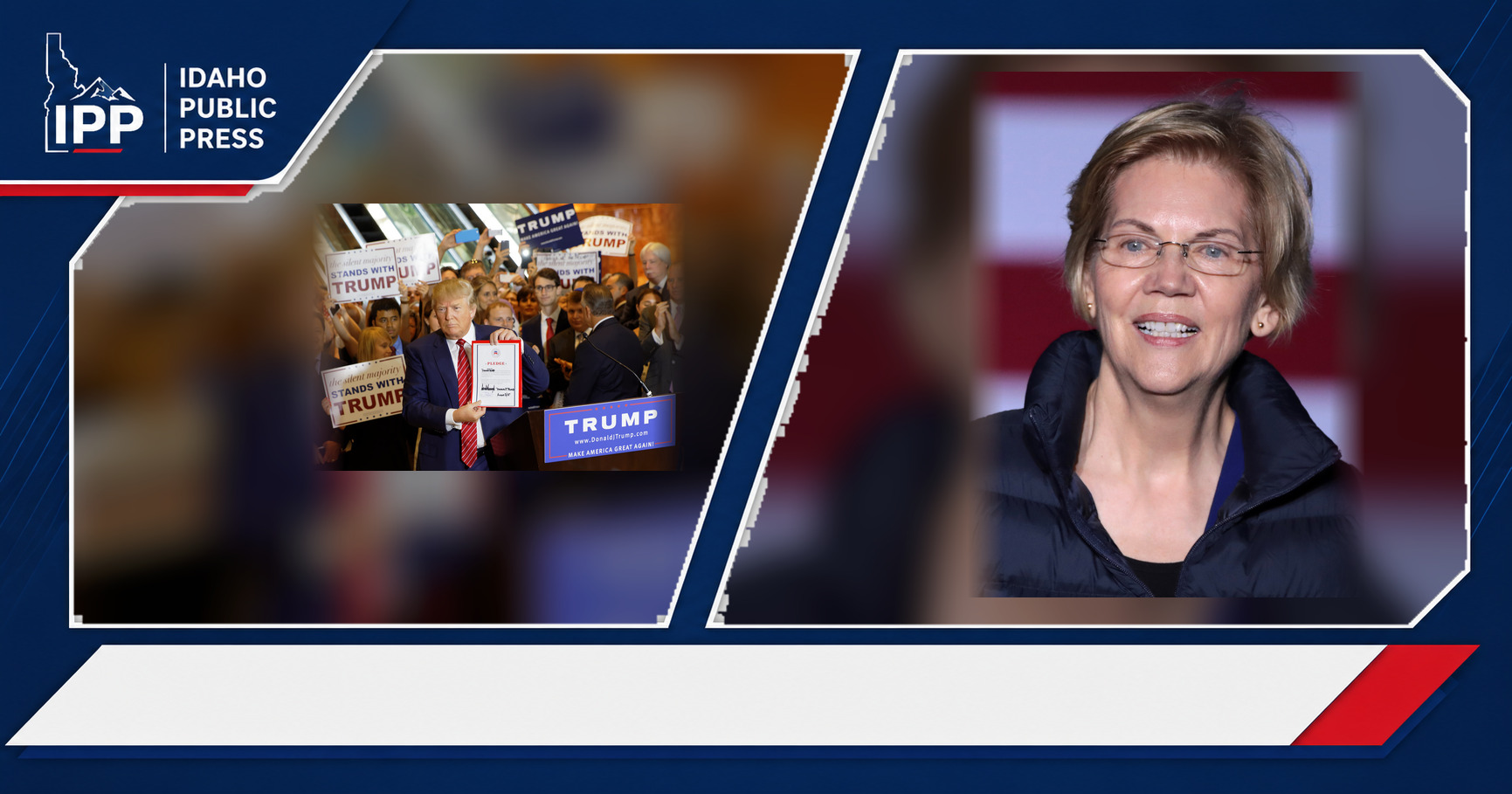
Donald Trump is being pressed by Democratic lawmakers to reveal the managers directing his stock trades and explain trades they view as suspicious. In a Wednesday 2026 letter, Sen. Elizabeth Warren and Rep. Robert Garcia cited more than 17,000 stock trades, including 3,555 individual transactions, and portfolio values reported as high as $1.56 billion as they questioned whether Trump’s investments are sufficiently separated from his presidency.
The request matters because presidents may own and trade securities under current law, but Trump’s unusually active disclosed trading has renewed a basic question: who makes the decisions, what instructions do they receive, and can the public verify that government policy is not affecting personal investments?
What Warren and Garcia want
Warren of Massachusetts and Garcia of California sent Trump a 17-page letter requesting information about the outside institutions and money managers involved in his accounts. They asked him to identify all third-party firms and managers that direct trades, explain how they were chosen and describe the mandates and investment processes governing their work.
The lawmakers also sought answers about Trump’s knowledge of particular transactions that they say appeared close in time to policy announcements or other market-moving presidential statements. Their letter does not establish that Trump committed wrongdoing. It argues that the pattern creates an appearance of conflicts that requires fuller disclosure.
The central issue is the distinction between a portfolio managed independently and one in which the account owner can influence strategy, know what is being bought and sold, or benefit from decisions tied to official actions.
Why the volume draws scrutiny
CNBC reported that Trump’s annual financial disclosure recorded more than 21,000 trades during 2025, based on an analysis of a 927-page filing. The reporting also described the lawmakers’ concerns over thousands of transactions disclosed in Trump’s name after he returned to the White House.
High trade volume alone is not proof of misconduct. Professionally managed accounts, direct-indexing strategies and automated portfolio approaches can generate frequent buys and sales as managers rebalance positions, harvest tax losses or substitute comparable securities.
But frequent trading makes transparency more important, not less, critics argue. Without a complete list of managers, an explanation of their instructions and a clear account of what Trump is told about the holdings, outsiders cannot easily test claims that the investment activity is insulated from the presidency.
The blind-trust question remains
Trump has said that outside funds run his money and that he does not speak with them. His son Eric Trump has also said the family’s assets are held in fully discretionary accounts managed by independent financial institutions, using automated and model-based investment strategies.
That is different from a traditional blind trust, a structure designed to prevent an officeholder from knowing the assets held or decisions made on the person’s behalf. Trump has placed much of his wealth in a revocable trust bearing his name, with Donald Trump Jr. serving as sole trustee.
Warren and Garcia challenged the use of the term “blind trust,” noting that Trump signed disclosures reporting awareness of thousands of individual stock transactions. The New York Times has reported that there was no indication a blind trust exists. A revocable trust is not automatically improper, but it offers a different degree of separation from the beneficiary than a blind arrangement.
Trump’s team rejects conflict claims
The White House has denied that Trump’s financial disclosures show conflicts of interest. Spokeswoman Anna Kelly characterized the lawmakers’ claims as a familiar Democratic political narrative rather than evidence of misconduct.
The Trump Organization called the letter a baseless political stunt and said the accounts are managed independently. It pointed to comments by Charles Schwab CEO Rick Wurster, who said the investment strategies were operated on a discretionary basis by professional money managers without influence from the account holder.
That defense addresses the key factual dispute: whether the people placing trades have genuine independence. The public record has identified JPMorgan Chase, Charles Schwab, UBS and Stephens Inc. in connection with at least four of the eight accounts in Trump’s 2025 disclosure, CNBC reported. A full roster of firms and the details of their trading instructions have not been publicly disclosed.
Disclosure is not a trading ban
Presidents are legally permitted to own and trade stocks, though they must report transactions under federal financial-disclosure rules. Unlike some executive-branch officials, a president is not broadly required to divest individual holdings or use a blind trust.
Warren and Garcia say they want Trump’s responses to inform potential legislation barring presidents, vice presidents and members of Congress from owning or trading individual stocks. Warren has argued that elected officials should not be able to hold investments that could be affected by decisions they make in office.
Opponents of blanket bans often argue that disclosure, recusal rules and independent management can address conflicts without forcing officials to sell assets. The Trump dispute exposes the weakness in relying only on disclosure: a transaction report can show what was traded, but not always who initiated the decision or what the decision-maker knew.
What could come next
The letter itself cannot compel Trump to provide the requested records. Its immediate force is political, placing the issue into the public record and establishing a potential roadmap for oversight if Democrats gain control of one or both chambers of Congress in the November midterms.
The most consequential unanswered questions are practical ones. Which firms control each account? What written limits or directions govern them? Does Trump receive trade notices or portfolio updates before or after transactions? And how are decisions insulated from information generated by the White House?
Until those details are disclosed, the two sides will continue to describe the same arrangement in sharply different terms. Democrats see a potentially inadequate barrier between presidential power and private wealth. Trump’s team says independent managers, not Trump or his family, are making the investment calls.







Leave a Reply