
The Navy says disrupted supply hubs forced commanders to prioritize food, hygiene items and mail aboard the USS Abraham Lincoln. Senators and military families are seeking a fuller accounting of reported conditions during the carrier’s extended deployment.
A Navy official says the USS Abraham Lincoln has maintained access to essential support despite disrupted supply hubs in the Middle East. That response comes as Senate Democrats press for answers about family-reported shortages, maintenance issues and mental-health concerns during the carrier’s prolonged time at sea.
The available reporting does not establish that a broad external investigation has been announced. It does show a dispute between lawmakers and families seeking more oversight and a Navy that says the crew has continued to receive critical services.
The Navy’s account centers on essential supplies
A Navy official told CBS News that the Lincoln is operating in a highly contested environment where combat actions disrupted traditional supply hubs in the Middle East. The official said commanders prioritized mission-critical needs in sequence: food, hygiene items and then mail.
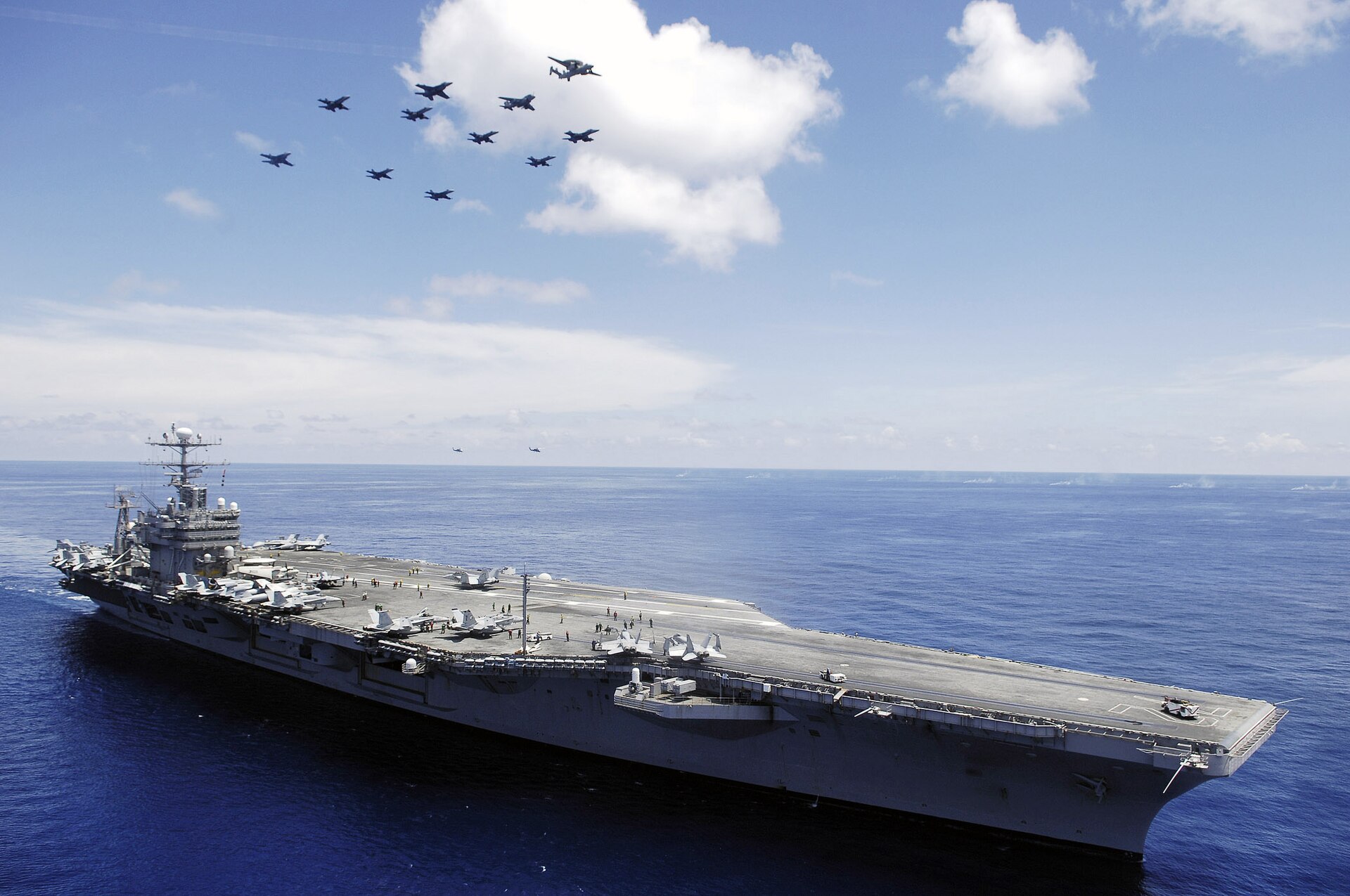
The same official said current reports from the ship showed continuous access to clean water, functional air conditioning and healthy meal options. The Navy says the ship has a broad support network that includes medical professionals, chaplains, deployment-resilience counselors, Fleet and Family Support Center services and Military OneSource.
The Navy’s position is that it has continued to provide essential support while carrying out a difficult mission. It disputes reports that there has been an increase in suicidal ideation or suicide attempts aboard the ship.
An unusually long stretch at sea frames the dispute
The carrier has been deployed for more than 250 days overall, including more than 200 consecutive days without coming ashore, according to CBS News. The deployment was scheduled to end in May but has been extended with no publicly announced return date.
Long stretches at sea are not unusual for naval crews, particularly in a tense operating environment. But the reported length of this deployment, reduced opportunities for port calls and alleged supply disruptions have made the Lincoln’s experience a more visible test of how the military manages crew welfare while sustaining operations.
Aircraft carriers are designed to remain deployed for extended periods, but sailors’ effectiveness depends on basic systems working reliably: food service, sanitation, sleeping arrangements, communications with home, medical care and opportunities to rest away from the ship. When a crew remains at sea for months without a port call, even routine failures can carry greater weight.
An overboard incident remains under investigation
The Navy confirmed that a sailor assigned to the carrier’s attached air wing went overboard earlier in August and was recovered safely. The sailor was treated by the ship’s medical department and transferred off the vessel for further care, CBS News reported. The circumstances remain under investigation.
U.S. Central Command later said no service members aboard the aircraft carrier had died during the deployment and emphasized that the sailor who went overboard on Aug. 3 was quickly recovered. Hegseth, speaking to Newsmax while in Panama, said the situation had been “completely misrepresented” and praised the crew’s service in austere conditions.
The incident has received added attention alongside reports from families who said sailors had experienced severe distress and referenced reports that some sailors tried, or were stopped from trying, to go overboard. Those accounts have intensified calls for outside scrutiny, while the Navy rejects claims of a rising pattern of suicide attempts.
Families’ reports have prompted congressional demands
Military families have described food and supply shortages, broken plumbing and worsening mental health, NPR reported. NPR said it had not independently confirmed the underlying reports, which were first reported by Navy Times and Stars and Stripes.
Family members have reportedly confronted Navy leadership in recent meetings over difficult onboard conditions and uncertainty about when their loved ones will return, CBS News reported. Their concerns also include reports of water contamination, deck-safety issues and disruptions in the mail system, with some care packages reportedly lost in transit for months.
Sen. Richard Blumenthal of Connecticut wrote to Defense Secretary Pete Hegseth and acting Navy Secretary Hung Cao seeking an account of conditions aboard the carrier, according to CBS News. Blumenthal cited reports involving basic supplies, water contamination, plumbing, deck safety and the well-being of crew members.
Sen. Ruben Gallego of Arizona also called for a bipartisan congressional delegation to visit the Lincoln for an oversight review. Lawmakers are pressing for access and accountability, but the available reporting does not indicate that such a congressional visit has been approved.
What has been established—and what has not
Available reporting establishes that Senate Democrats have requested answers, that family concerns have reached senior Navy leaders and that the Navy says the carrier retains clean water, working air conditioning, meal options and mental-health resources.
What remains unclear is the full scope of the reported supply and infrastructure problems, how long any disruptions lasted, and whether Congress will be permitted to conduct the shipboard oversight lawmakers requested. Public reporting has not provided a complete independent accounting of conditions across the carrier’s entire crew.
Families and lawmakers are effectively arguing that operational readiness and crew welfare cannot be treated as competing priorities. The Navy’s response is that the crew remains supported. An independent visit or inspection could help establish which account best matches conditions aboard.











Leave a Reply