
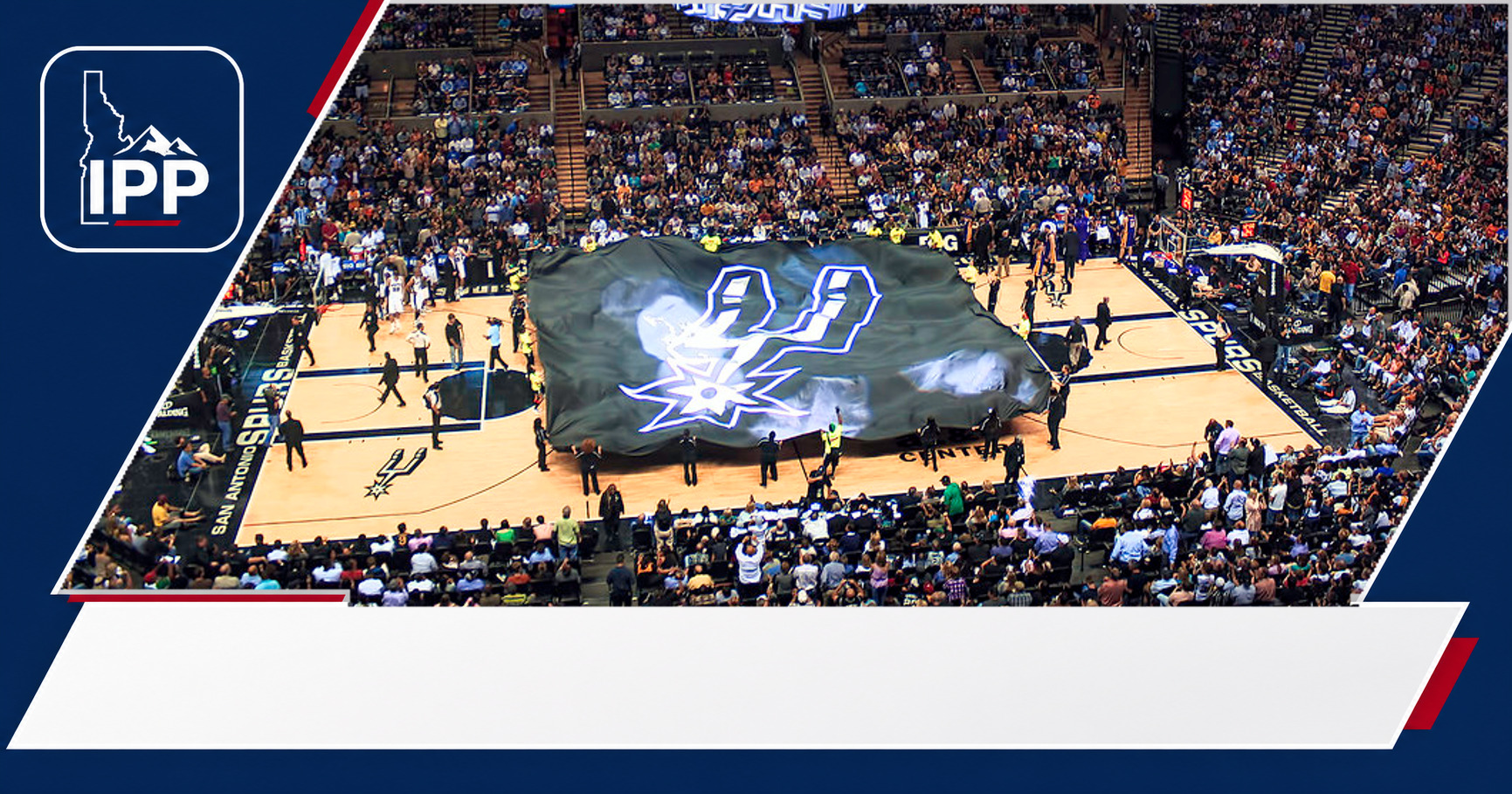
The Lakers' reported ownership change is about far more than a record price: it arrives soon after Mark Walter's purchase and could test how quickly the NBA can clear a complex transfer. The next move belongs to the league, not the buyers.
The Los Angeles Lakers’ owner needed cash, and a $12.5 billion offer came to buy the Lakers. Mark Walter has reportedly agreed to sell the team to a group led by Joshua Kushner and former Disney chief executive Bob Iger, a deal that would set a record price for a North American sports franchise if the NBA approves it.
The connection between Walter’s reported liquidity pressure and the offer helps explain the speed of a transaction involving one of basketball’s most valuable brands. But an agreement is not a completed sale: the NBA must vet the buyers and its other owners must sign off before control can formally change hands.
A record price with a catch
Reports on Aug. 12 described a $12.5 billion agreement for the Lakers, surpassing the $10 billion valuation attached to Walter’s acquisition of controlling interest from the Buss family in 2025.
That rapid increase is what makes the proposed transaction unusual. It suggests that a globally recognized NBA team, a major Los Angeles entertainment asset and an enduring sports brand can command a premium well beyond ordinary operating metrics.
Still, the headline number should not be mistaken for a final league-approved valuation or a closed transaction. The NBA and the Lakers had not publicly announced the agreement when reports first emerged, according to USA Today, because the formal ownership-transfer application had not yet been filed with the league office.
In other words, Kushner and Iger may have reached a private agreement with Walter, but the NBA retains a decisive role in whether and when the deal is completed.
Why Walter’s cash needs matter
The Wall Street Journal reported that Walter was facing a liquidity crunch when the offer materialized. The Journal also reported that he was facing a federal investigation; the available reporting does not establish that any investigation caused the proposed sale or that wrongdoing occurred.
Liquidity is different from wealth. An owner can hold extremely valuable assets while still needing readily available cash to meet obligations, make investments or manage financing. A franchise worth billions can be a powerful asset on paper without being easy to convert into cash quickly.
For a buyer, that can create an opening. The Lakers are not simply a basketball team with ticket revenue and television rights; they are a scarce asset with worldwide visibility, deep connections to Los Angeles and a long history of commercial appeal.
The reported deal therefore can be read two ways. Walter may have found an exceptional price for an asset at a moment when liquidity mattered, while Kushner and Iger may see the Lakers as an opportunity worth paying a record premium to secure.
The buyers bring distinct credentials
Joshua Kushner is a businessman and investor, while Iger spent years running Disney, one of the world’s largest entertainment companies. Their reported partnership pairs investment capacity with experience managing a global media and consumer brand.
That combination matters because modern NBA ownership is not limited to game-night operations. Teams increasingly function as content businesses, sponsorship platforms, real-estate anchors and international brands. The Lakers already have that profile, making the club potentially attractive to buyers with ambitions beyond basketball.
There is also a practical wrinkle. USA Today reported that Kushner and Iger had been exploring the NBA’s potential expansion opportunity in Las Vegas. If the league has already reviewed aspects of their backgrounds and finances in that context, the process for the Lakers could have a head start.
That does not mean approval is automatic. Buying an existing franchise involves its own review, and the league can request additional information before the transaction reaches a vote.
The NBA controls the timeline
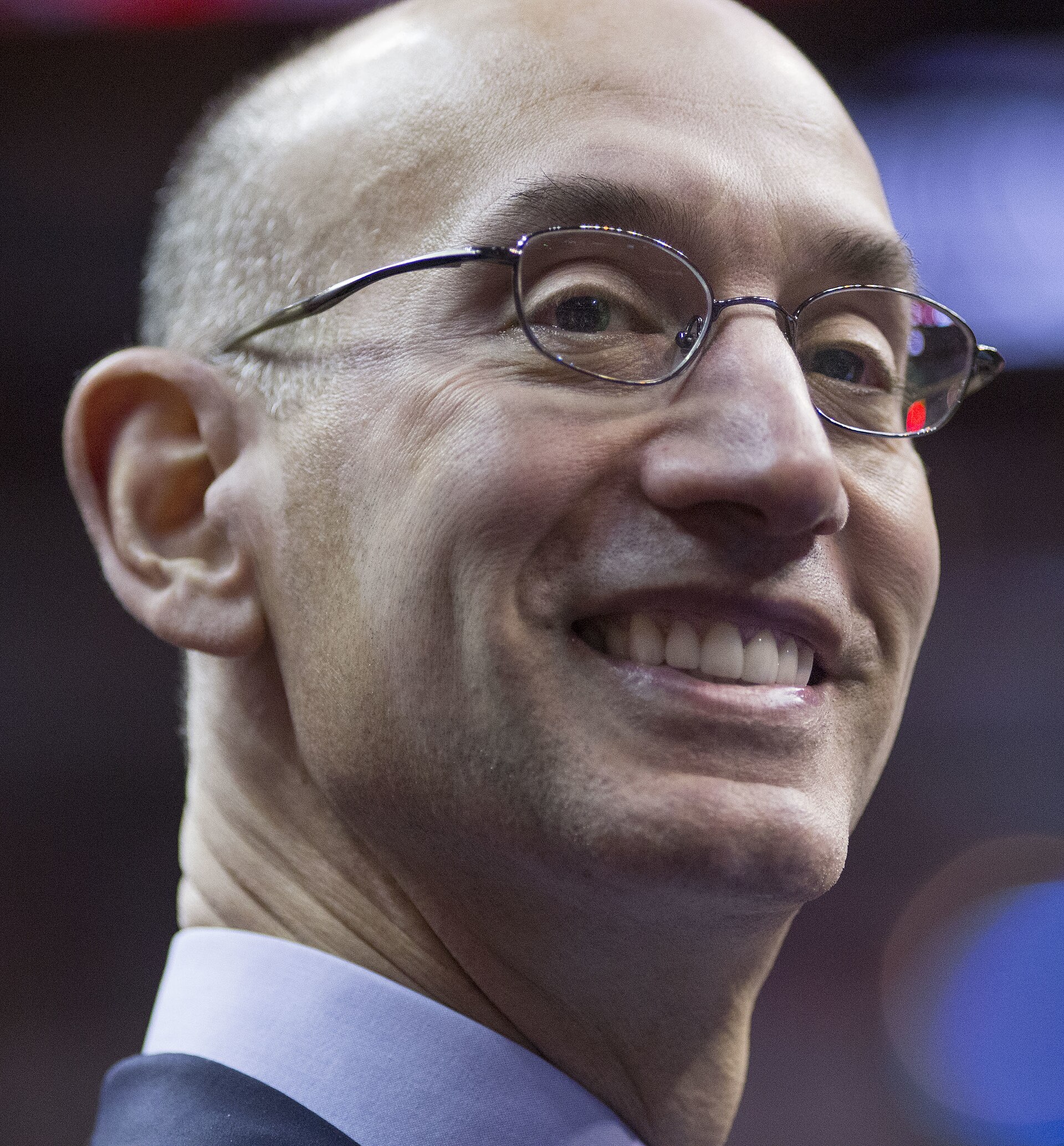
NBA franchise sales follow procedures laid out in the league’s constitution and bylaws. The prospective owners must submit a formal application to Commissioner Adam Silver, who can seek more information from the parties.
A nine-person advisory finance committee then oversees a detailed review that can include background checks and examination of the buyers’ finances. After that review, the committee makes a recommendation to the NBA Board of Governors.
Approval requires support from 75% of the league’s 30 teams, meaning at least 23 franchises must vote in favor. The vote can be conducted remotely, so the parties do not necessarily need to wait for an in-person owners meeting.
- First: the ownership-transfer application is filed with the NBA.
- Next: league officials and the advisory finance committee vet the proposed owners and financing.
- Then: the Board of Governors receives a recommendation and votes.
- Finally: the parties can close the transaction after approval and any remaining contractual steps.
The next scheduled Board of Governors meeting is in New York in September, though reporting suggests that may be too soon for a final vote. An update on the Lakers transaction could still be on the agenda.
A remarkably fast ownership turn
The proposed sale stands out because Walter’s own purchase was recent. He agreed to acquire controlling interest in the Lakers in mid-June 2025, and NBA owners unanimously approved that transaction in a virtual session on Oct. 30, 2025, according to USA Today.
That roughly four-month path offers a reference point, not a guarantee. Each sale depends on the buyers, funding, structure and issues that emerge during the league’s review. A new transaction could move faster if prior vetting proves useful, or take longer if the NBA requires additional work.
For Lakers fans, the immediate basketball operation may not change overnight. A pending ownership agreement does not automatically alter the roster, coaching staff or front office. Yet ownership shapes the resources, risk tolerance and long-term strategy behind all of those decisions.
For the broader league, the deal could become another marker in the escalating price of elite franchises. The question is whether $12.5 billion reflects a one-of-one premium for the Lakers or resets expectations for other NBA owners considering a sale.
What remains unresolved
The most important unknown is whether the NBA will approve Kushner and Iger on the proposed timetable. Until the league completes its review and the Board of Governors votes, the reported agreement remains conditional.
The exact ownership structure, financing terms and roles of the buyers have not been publicly detailed in the available reports. It is also unclear how quickly Walter and the buyer group expect the transfer to close.
What is clear is that the Lakers’ ownership story has shifted from a historic price to a league-governance test. Walter’s need for liquidity may have helped bring the offer together, but the NBA’s approval process will determine whether the record-setting agreement becomes reality.






Leave a Reply