
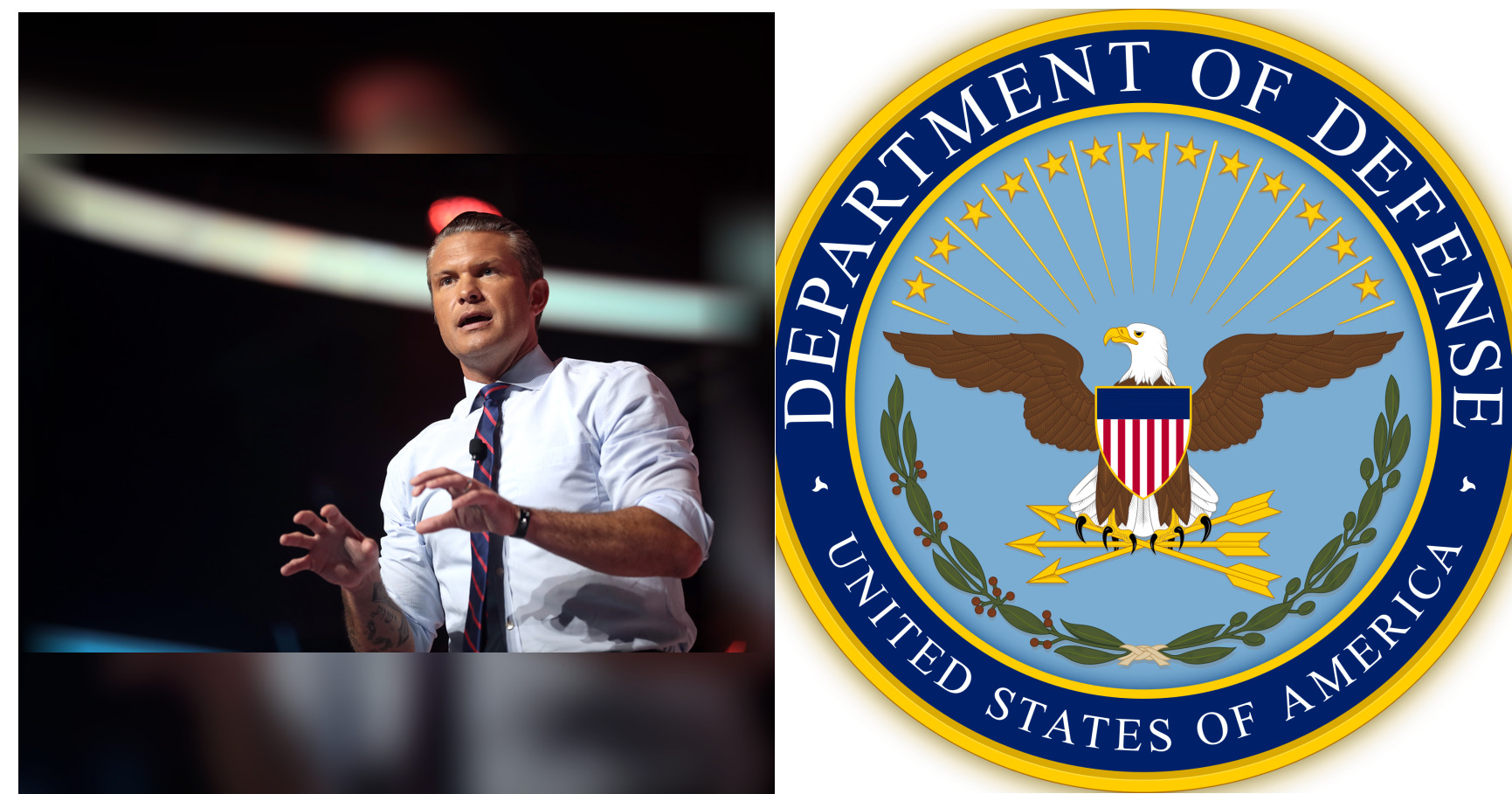
The allegation centers on whether the Pentagon adequately acknowledged the strain on sailors during an unusually long deployment. The available reporting documents serious concerns, but does not establish that Hegseth personally concealed information.
Pete Hegseth has been accused of covering up resupply problems aboard the USS Abraham Lincoln, as reports describe food, sanitation and mental-health concerns during the aircraft carrier’s extended time at sea. The reported resupply problems aboard the ship matter because the Lincoln’s crew has spent more than 250 consecutive days deployed, an exceptional stretch that has intensified calls for Pentagon scrutiny.
The allegation involving Hegseth raises a larger question about transparency at the Defense Department: what senior officials knew about the carrier’s conditions, when they knew it and how fully the situation was communicated. Reporting available so far supports concerns about difficult conditions, but it does not by itself establish that Hegseth personally directed a cover-up.
What sailors reportedly faced
NPR reported August 14 that Democratic lawmakers were seeking a Pentagon investigation into conditions aboard the USS Abraham Lincoln. Their concerns included reported shortages of food, malfunctioning toilets and insufficient mental-health care for sailors on the carrier.
The Lincoln had been at sea since late the previous year, NPR said, with only one brief port visit after leaving San Diego in November. A carrier is a small floating city, but life aboard one is still heavily dependent on a steady flow of provisions, replacement parts, fuel, mail and medical support.
Extended deployments can affect every part of shipboard life. Fresh fruit and vegetables are among the first supplies to disappear after weeks at sea, while delays in repairs can turn basic facilities into a persistent source of stress for a crew living and working in close quarters.
Why resupply became difficult
The supply pressures were tied to the wider military situation in the Middle East. NPR reported that the Abraham Lincoln was supporting the administration’s war effort in Iran and that Iran had attacked the Navy’s main regional hub in Bahrain shortly after the conflict began in late February.
That attack, according to the report, disrupted the Navy’s use of a traditional logistics hub and forced planners to adapt how they supplied ships in the region. Rear Adm. Benjamin Nicholson, who leads Military Sealift Command, told NPR that nearby logistics hubs normally provide parts, food and fuel, but were not available in this conflict.
That context does not make shortages or poor living conditions inevitable, nor does it settle whether commanders had enough alternatives. It does explain why a routine task—keeping a deployed carrier stocked—became much more difficult than normal.
The Hegseth accusation needs evidence
The accusation that Hegseth covered up the problems is more serious than a claim that the deployment was hard or that logistics failed. A cover-up allegation suggests that relevant facts were knowingly withheld, minimized or obscured from Congress, families, sailors or the public.
Based on the available source material, the reported operational problems and lawmakers’ demand for an investigation are documented concerns. But the material does not identify specific actions by Hegseth, describe evidence that he ordered information suppressed or provide a detailed account of his response.
That distinction matters. Scrutiny of a defense secretary can be warranted when conditions aboard a major warship raise safety and readiness questions. At the same time, readers should separate reported deficiencies aboard the Lincoln from a conclusion that personal concealment by Hegseth has been proved.
Mental-health concerns raise stakes
The debate is not only about groceries, plumbing or delivery routes. NPR said the reported conditions had raised worries about sailors’ mental health after months at sea, including reports that some sailors had attempted to jump from the ship. NPR said it could not independently confirm those reports.
The Navy told NPR it had seen no increase in suicidal ideation or attempts aboard the carrier and said mental-health professionals were available. U.S. Central Command said one sailor was rescued quickly after going overboard on August 3.
Those statements leave important questions unanswered about access to care, staffing, living conditions and whether sailors felt able to seek help. The Navy changed aspects of its approach to mental health after a series of suicides involving sailors assigned to the USS George Washington in 2022, making the issue especially sensitive for lawmakers and military families.
Congress is seeking accountability
Sen. Richard Blumenthal and other Democratic lawmakers have called for a Pentagon investigation, according to NPR. Such an inquiry could examine supply records, maintenance logs, medical staffing, command communications and the decisions that kept the Lincoln deployed for so long.
It could also clarify which problems were isolated, which were systemic and whether decision-makers informed Congress promptly. For Hegseth, the political test is likely to be whether the Defense Department offers verifiable answers rather than broad assurances that the ship remained operational.
There is also a readiness question. Aircraft carriers are symbols of U.S. power, but their effectiveness rests on the people who operate them. A force that can maintain combat operations while allowing preventable quality-of-life failures to deepen risks damaging morale, retention and trust.
Relief may be on the way
NPR reported that the Navy was considering moving the USS George Washington into the region to replace the Abraham Lincoln, while noting that the Washington was still in the Pacific at the time. Navy planners had discussed a potential carrier swap before the newest public reports, according to the report.
A replacement would not erase questions about the Lincoln’s deployment. It could, however, give sailors a path to rest, fuller resupply and maintenance after an unusually long period without normal port access.
For now, the most solidly supported takeaway is that the USS Abraham Lincoln’s prolonged deployment created serious reported strains and prompted calls for investigation. Whether those facts lead to substantiated findings about Pete Hegseth’s handling of the matter will depend on evidence that has not yet been made public.










Leave a Reply