
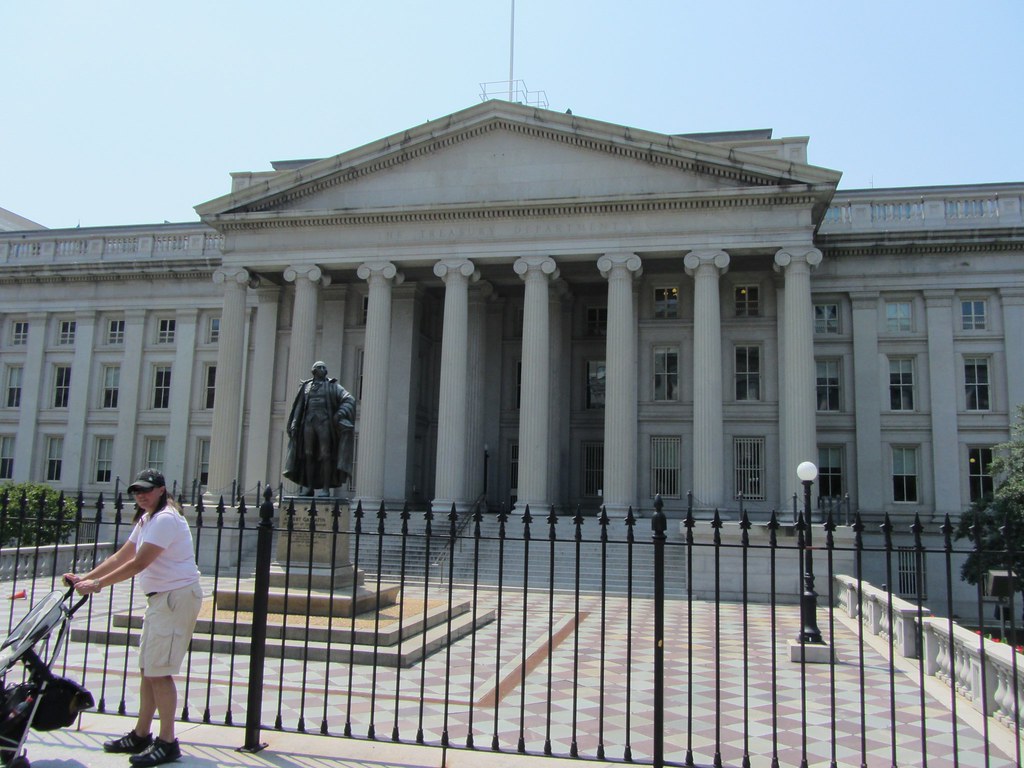
The payment filter is being presented as a fraud-fighting win, but the details matter: the payments were flagged for agency review, not necessarily proven fraud in every case.
The U.S. Treasury Department intercepted nearly $99 million in federal payments to deceased individuals after the Bureau of the Fiscal Service implemented a new payment verification process under President Donald Trump’s fraud-prevention order, Executive Order 14249. Announced in Washington, the safeguard stems from Trump’s March 25, 2025 directive and screened more than 885 million payments worth about $2.7 trillion, flagging more than 4,900 payments before money left Treasury.
The finding matters because the federal government is trying to shift from chasing improper payments after the fact to blocking them before disbursement. Treasury says the new filter returned questionable payments to agencies for review rather than sending money out and hoping to recover it later.
The money was stopped upstream
According to the Treasury Department, the new government-wide verification process identified more than 4,900 payments worth approximately $99 million that were associated with deceased payees. Those payments were not simply labeled as losses. Treasury said they were returned to the originating federal agencies for review before any funds were disbursed.
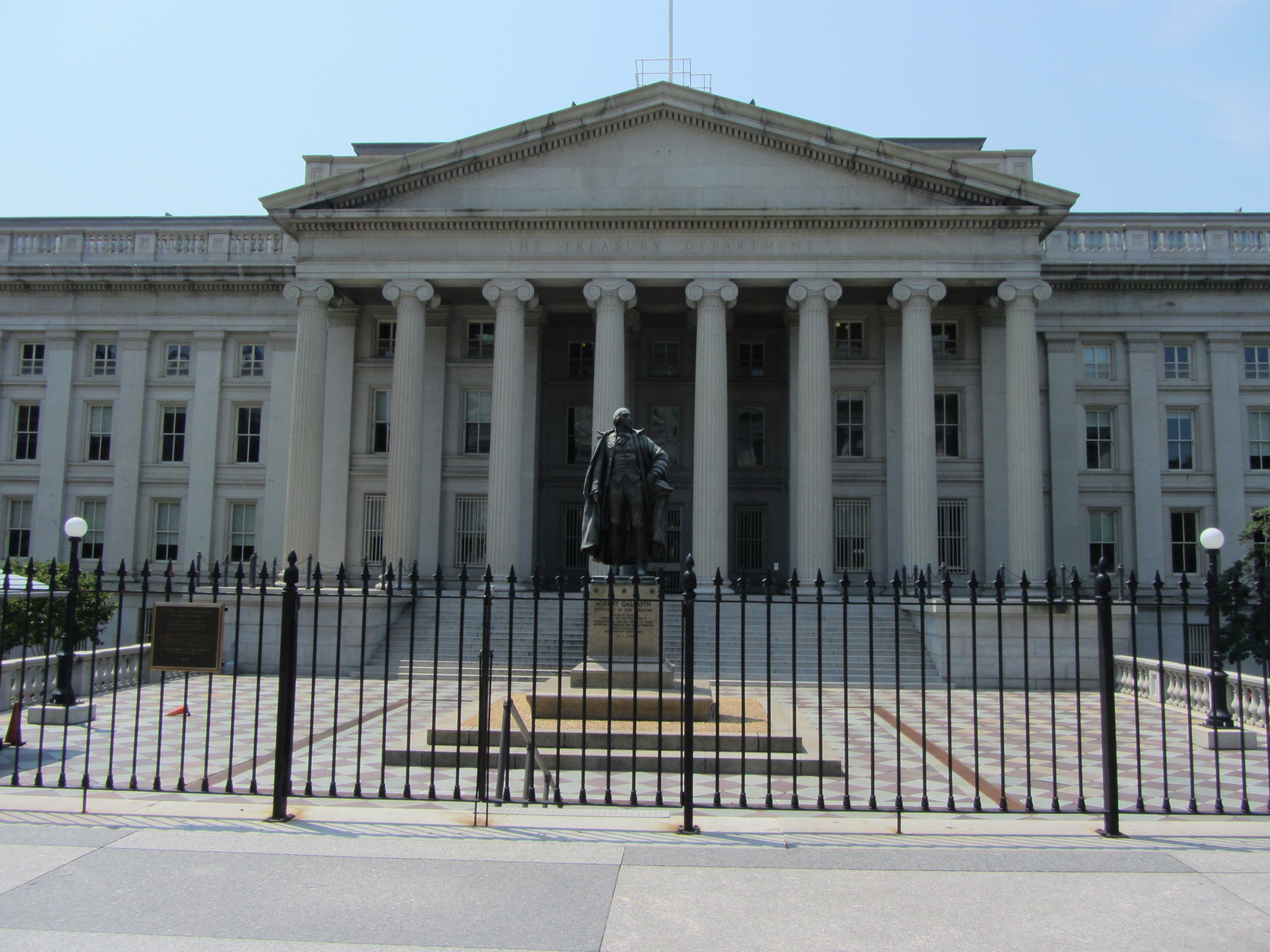
That distinction is important. A flagged payment is not automatically the same thing as a proven fraud case. Some payments tied to a deceased person may reflect outdated records, timing issues after a recent death, benefits that require agency review, or attempted misuse of a dead person’s identity.
Still, Treasury is presenting the result as evidence that a vulnerability in the federal payment system can be narrowed when agencies check payment files against more complete death data before money leaves the government.
How the new screen works
The Bureau of the Fiscal Service, the Treasury unit that helps manage federal payments, is using the process as part of a broader payment integrity push. The system screens outgoing federal payments against data meant to identify deceased payees before checks, direct deposits or other disbursements are completed.
Treasury says the new capability builds on expanded access to the Social Security Administration’s Full Death Master File. That database gives the government a more complete view of death records than narrower datasets, making it easier to catch cases where a recipient should no longer be paid directly.
The basic workflow is straightforward:
- Treasury screens scheduled federal payments before disbursement.
- Payments associated with deceased payees are flagged.
- The money is returned to the originating agency for review.
- The agency determines whether the payment should be canceled, corrected or otherwise resolved.
The key policy shift is timing. Instead of relying mainly on audits, recoveries or later investigations, the process is designed to stop suspect payments at the front door.
Why the order matters
Treasury tied the safeguard directly to Executive Order 14249, titled Protecting America’s Bank Account Against Fraud, Waste, and Abuse. Trump issued the order on March 25, 2025, directing federal agencies to strengthen controls against improper payments and fraud.
Treasury Secretary Scott Bessent said the department had delivered on a central promise of Trump’s mandate by stopping improper payments and fraud before money leaves Treasury. He also linked the effort to Vice President Vance’s Task Force to Eliminate Fraud, according to the department’s announcement.
The political framing is clear: the administration wants to show a measurable anti-waste result, and the nearly $99 million figure gives it one. But the operational story is less partisan than the messaging. Federal improper payments have been a persistent management problem across administrations, especially in programs with high volume, complex eligibility rules and outdated or mismatched records.
Death-record matching is one of the more concrete fixes because it targets a specific error: payments continuing after a recipient has died. It does not solve every type of improper payment, but it can reduce one category that is relatively easy to define and often highly visible to taxpayers.
A win with real caveats
The scale of the screening is significant. Treasury says it reviewed more than 885 million payments totaling approximately $2.77 trillion under the new process. Against that enormous payment flow, roughly $99 million in flagged payments is a small share, but still a large amount of public money.
The caveat is that the press release does not provide a final breakdown of what agencies found after review. It does not say how many flagged payments were confirmed as improper, how many were corrected, or how many may have been allowed to proceed for legitimate reasons.
That is not a minor point. Payment integrity systems have to balance speed, accuracy and fairness. A system that blocks bad payments is valuable, but a system that incorrectly delays lawful benefits can create hardship for families, vendors or program recipients.
The best version of this kind of safeguard is not simply a hard stop. It is a fast, auditable review process that catches genuine errors without trapping legitimate payments in bureaucratic limbo.
Death data became the lever
Treasury’s announcement points to a longer-running fight over access to death records. The Consolidated Appropriations Act of 2021 granted Treasury temporary access to the Full Death Master File through a three-year pilot program. Treasury says that pilot expanded its ability to identify deceased payees and projected an estimated $330 million in net benefits from 2024 through 2026 by reducing improper payments.
In February 2026, Congress passed and Trump signed the Ending Improper Payments to Deceased People Act, which gave Treasury permanent access to the Full Death Master File. That made the death-record matching effort less of a pilot and more of a standing federal control.
Permanent access matters because federal payment systems are not a single machine. Agencies run different programs, use different eligibility files and update records at different speeds. A central Treasury screen gives the government a common checkpoint before payments go out.
It also creates a new accountability question: once Treasury flags a payment, how quickly do agencies act, and how often do they agree with the match?
What remains unresolved
Treasury says it will continue implementing payment verification capabilities required under the executive order. That likely means more screening, more agency referrals and more pressure to show measurable reductions in waste, fraud and improper payments.
The next useful data point will not be just the gross dollar amount flagged. It will be the outcome of those flags: confirmed improper payments, corrected records, false positives, processing times and whether agencies can prevent the same errors from recurring.
For now, the $99 million figure shows that Treasury’s new payment screen is catching real-world cases before disbursement. It also shows why prevention is politically attractive: money stopped before it leaves the Treasury is easier to explain than money the government has to claw back months or years later.
The clean takeaway is this: Treasury has built a stronger front-end filter for payments tied to deceased payees. Whether it becomes a durable fix depends on what happens after the warning light flashes.











Leave a Reply