
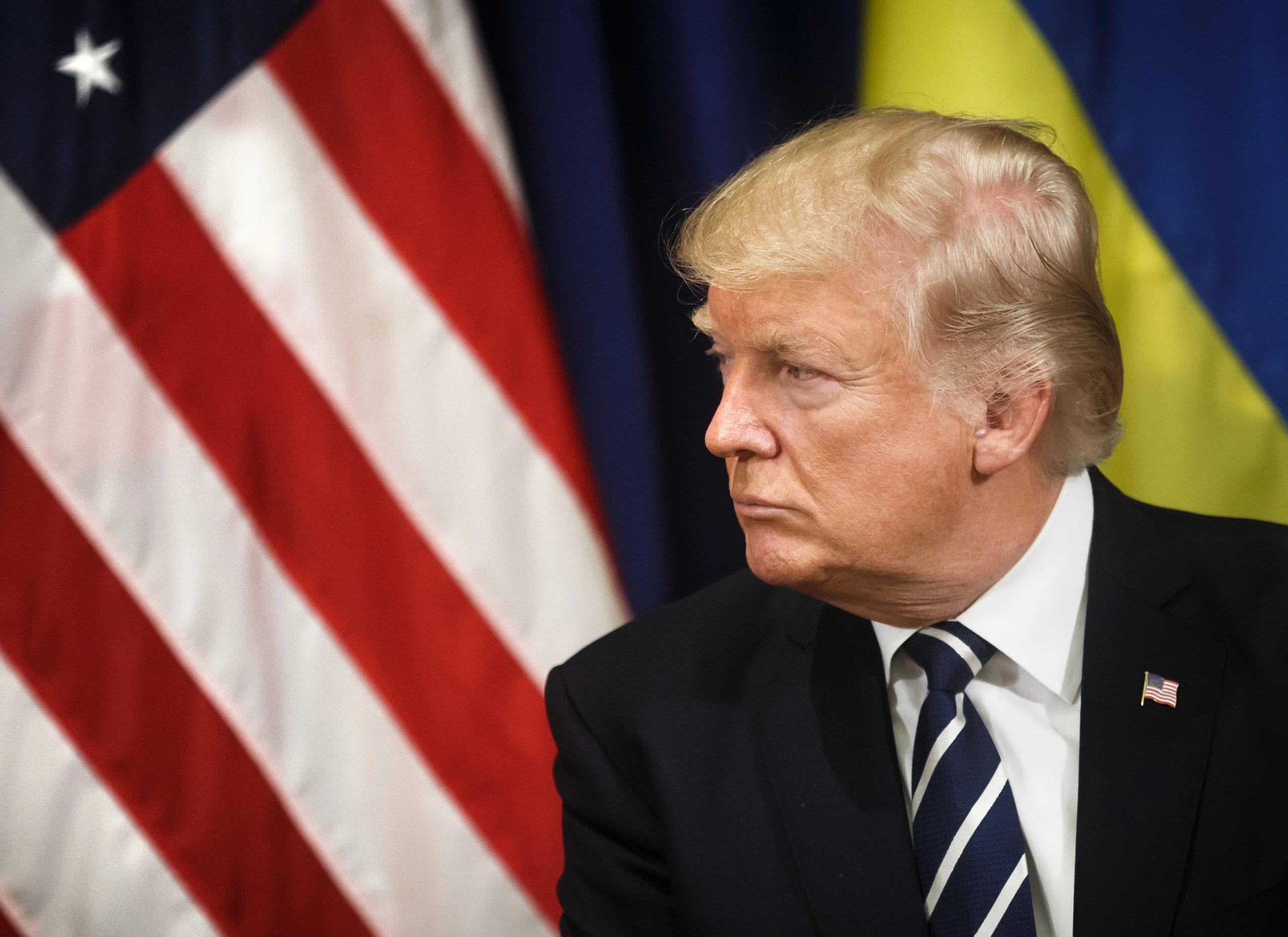
The shift from alarm to diplomatic restraint highlights a gap between Trump’s public accusation and the policy consequences he has described so far.
Trump downplays Chinese election interference five days later than his own prime-time warning that Beijing was behind a breach of historic proportions in U.S. elections. President Donald Trump, speaking from the Oval Office on July 21, said he would talk with Chinese leaders but also argued that “they do things” and “we do things to them,” according to USA Today.
The shift matters now because it turns a grave public accusation against the Chinese government—one tied by Trump to 2020 voter data and the 2018 midterms—into a softer diplomatic line just days after he sounded an alarm.
A warning becomes a shrug
Trump’s latest comments did not fully withdraw his earlier allegation. He still said he planned to raise the issue with Chinese leaders. But the tone changed sharply from warning Americans about a sweeping compromise to describing the matter as old and, in some sense, reciprocal.
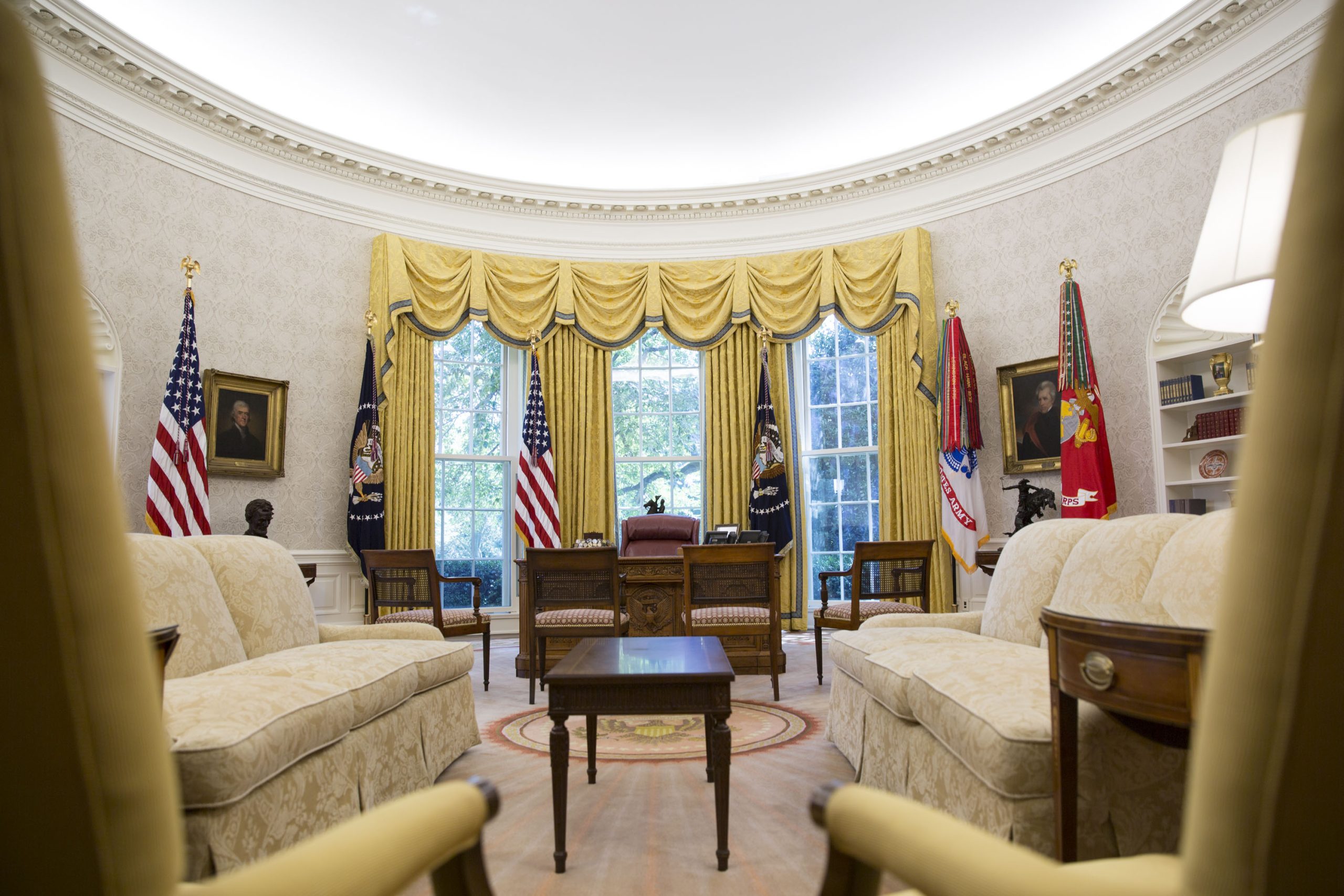
“It took place a long time ago,” Trump said, according to USA Today’s account of the Oval Office exchange. He added that China may be “a little bit different today than it was then.”
Then came the line that drew attention: “They do things. And we do things to them. I’ll be honest. We do things to them, too. It’s not a one-way street.” Trump did not explain what U.S. actions he meant, and he did not announce sanctions, prosecutions, diplomatic expulsions or any other immediate consequence.
That contrast is the story. A president who had framed alleged Chinese election interference as historically large was now treating it as an item for conversation with Beijing.
What Trump alleged before
Five days earlier, in a July 16 prime-time address, Trump cited declassified intelligence documents and accused China of trying to undermine the 2020 election. USA Today reported that he described it as “the largest compromise of election data in history.”
Trump said China stole 220 million voter files from states across the country. He also claimed Beijing sought to influence the 2018 midterm elections, pressure U.S. business leaders to turn against him and pay journalists to report negatively about him.
Those claims were sweeping, and they landed in the sensitive space between cybersecurity, foreign influence and election legitimacy. Voter files can include names, addresses and party registration, though such data is often available through public or commercial channels depending on the state and the type of record.
That distinction matters. Accessing voter information is not the same as changing votes, breaching voting machines or altering certified results. The reporting reviewed here does not establish that vote totals were changed.
The intelligence record is mixed
Trump’s claims also sit beside earlier public intelligence assessments that described China’s role in the 2020 election differently. In March 2021, then-Director of National Intelligence Avril Haines released an assessment saying the intelligence community had high confidence that China did not try to interfere in the 2020 election.
That report said China considered influence activity but did not deploy an effort to change the outcome, according to USA Today’s summary. The reason, as described in that assessment, was that Beijing did not see either a Trump or Biden victory as worth the risk of getting caught.
This does not mean foreign governments ignore U.S. politics. U.S. intelligence agencies have repeatedly warned that rival powers collect political information, probe digital systems and attempt influence operations. The question here is narrower: whether Trump’s newly highlighted materials prove the kind of historic election breach he described.
So far, the public record leaves room for dispute. Trump says declassified documents show a major Chinese operation. Prior assessments said China did not ultimately interfere in the 2020 election. The gap between those positions is exactly why his softer follow-up comment drew attention.
Why the wording matters
Presidential language on election security has consequences beyond one news cycle. If a foreign government committed a historic breach, the public would expect a clear explanation of what was compromised, how officials know, who was responsible and what the U.S. response will be.
If the episode was mostly about voter data already available through public records, the policy conversation looks different. It becomes less about a stolen election and more about privacy, data aggregation and how adversaries can use ordinary civic records for targeting or intimidation.
Trump’s “we do things to them, too” comment also raises a separate issue. Intelligence competition between major powers is real, but placing alleged election interference in the same bucket as unspecified U.S. activity blurs the line between routine espionage and attacks on democratic systems.
That ambiguity may be politically useful. It lets Trump keep the claim alive while avoiding a direct confrontation with Beijing. It also gives critics an opening to argue that the allegation is being used more as a political message than as a defined national-security case.
China policy complicates the message
The softer tone also fits a broader tension in Trump’s China posture. During his first year back in the White House, he pushed the U.S. into a trade war with China before both sides backed away from triple-digit tariffs, according to the USA Today report.
Trump has also maintained a personal diplomatic channel with Chinese President Xi Jinping, whom he has called a friend and a great leader. He visited China in May, even as his administration continued to frame Beijing as a central economic and strategic rival.
That makes the election-interference allegation harder to separate from the rest of the relationship. A president can accuse China of serious misconduct and still pursue trade talks, military deconfliction and summit diplomacy. But the public message becomes muddled when the same alleged conduct is described first as historic and then as something to be discussed because “it’s not a one-way street.”
Supporters may see that as pragmatic: call out China, but do not blow up a major-power relationship over older intelligence. Critics may see it as a retreat from Trump’s own rhetoric, especially if no concrete response follows.
What remains unanswered
The most important unresolved question is what the declassified materials actually prove. Trump has pointed to them as the basis for his claim, but the public needs a clearer account of whether the alleged conduct involved public voter data, hacked systems, influence operations or something more direct.
Another unanswered question is what “talk to them about it” means in practice. Diplomatic protest, intelligence sharing, sanctions and public attribution are very different tools. Trump has not said which one, if any, he plans to use.
There is also the question of timing. Trump is raising the allegation in an election year, while arguing that past officials hid information from him. That charge points inward at the U.S. government as much as outward at China, and it may shape how voters interpret the claim.
The clean takeaway is that Trump’s public framing has shifted. Five days after presenting alleged Chinese election interference as a historic breach, he described it as old, negotiable and not entirely one-sided. Until the evidence and the response are clearer, the gap between those two messages will remain the central issue.




Leave a Reply