
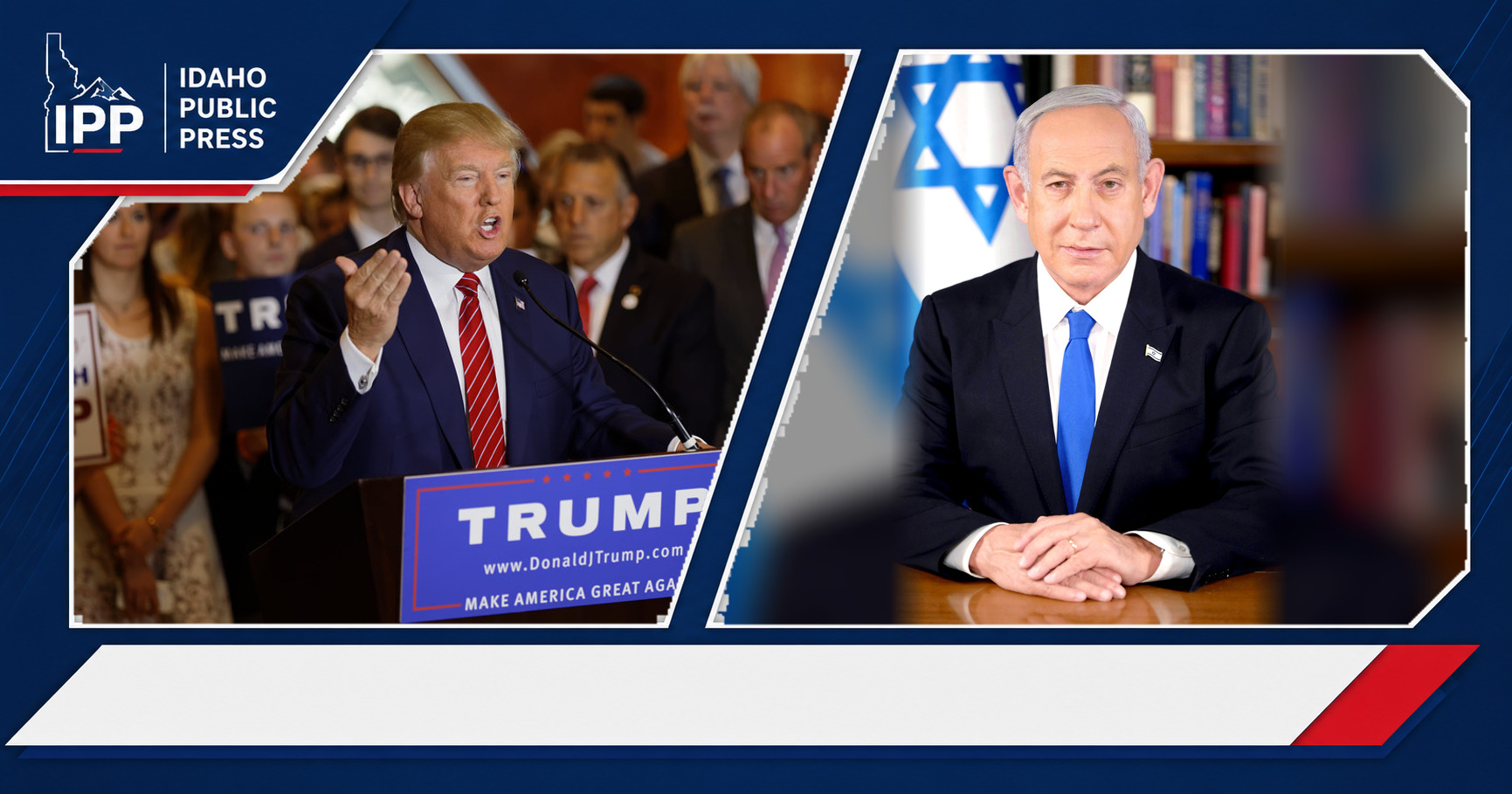
The disagreement turns a shadowy nuclear intelligence claim into a test of U.S. involvement in the Iran conflict. It also shows how fragile the diplomatic track remains as strikes, damage claims and maritime threats continue.
Donald Trump criticized Benjamin Netanyahu over Israeli intelligence claims about Pickaxe Mountain in Iran on Tuesday, according to ABC News, disputing whether Israel’s prime minister was warning him or trying to keep the U.S. involved in the conflict. Pickaxe Mountain is tied to Iran’s nuclear program, and the dispute is part of the broader Iran standoff.
The flashpoint came as Netanyahu visited the White House for a closed-door Oval Office meeting with Trump, with the U.S. and Iran still locked in a dangerous cycle of strikes, negotiations and threats around the Strait of Hormuz.
Trump pushes back on Netanyahu
Trump’s criticism landed before the meeting, during an appearance on Fox & Friends. Asked about reports that Netanyahu would share information on alleged Iranian efforts to rebuild nuclear capabilities, Trump suggested the intelligence pitch had a political purpose.
“Well, I don’t need Bibi to tell me that. Bibi is telling me that because he wants me to stay involved,” Trump said, according to ABC News.
That line matters because it publicly separates Trump from Netanyahu on a core question: whether fresh Israeli intelligence should deepen U.S. engagement with Iran or be treated as pressure from an ally with its own battlefield priorities.
Trump did not say Israel’s intelligence was false. His point, as reported, was about motive. In a war-and-negotiation standoff, that distinction is still explosive: intelligence can shape targets, timelines and whether diplomacy gets room to breathe.
Why Pickaxe Mountain matters
Pickaxe Mountain has emerged in the reporting as a focus of Israeli intelligence connected to Iran’s nuclear program. The publicly available details remain limited, but the political significance is clearer than the geography.
If Israeli officials believe Iran is trying to restore or expand nuclear-related capabilities at or around the site, they have an incentive to push Washington to stay militarily and diplomatically engaged. If Trump believes the intelligence is being used to prolong U.S. involvement, he has an incentive to question the messenger as much as the message.
That is the heart of the dispute. The fight is not only over what is happening inside Iran. It is over whether Israeli intelligence should drive U.S. strategy at a moment when American forces, Iranian infrastructure and global shipping routes are already part of the confrontation.
For readers, the key point is simple: Pickaxe Mountain is not just a place name. It is now a symbol of the intelligence gap between an ally seeking urgency and a U.S. president signaling he does not want to be maneuvered into an open-ended role.
A tense White House meeting
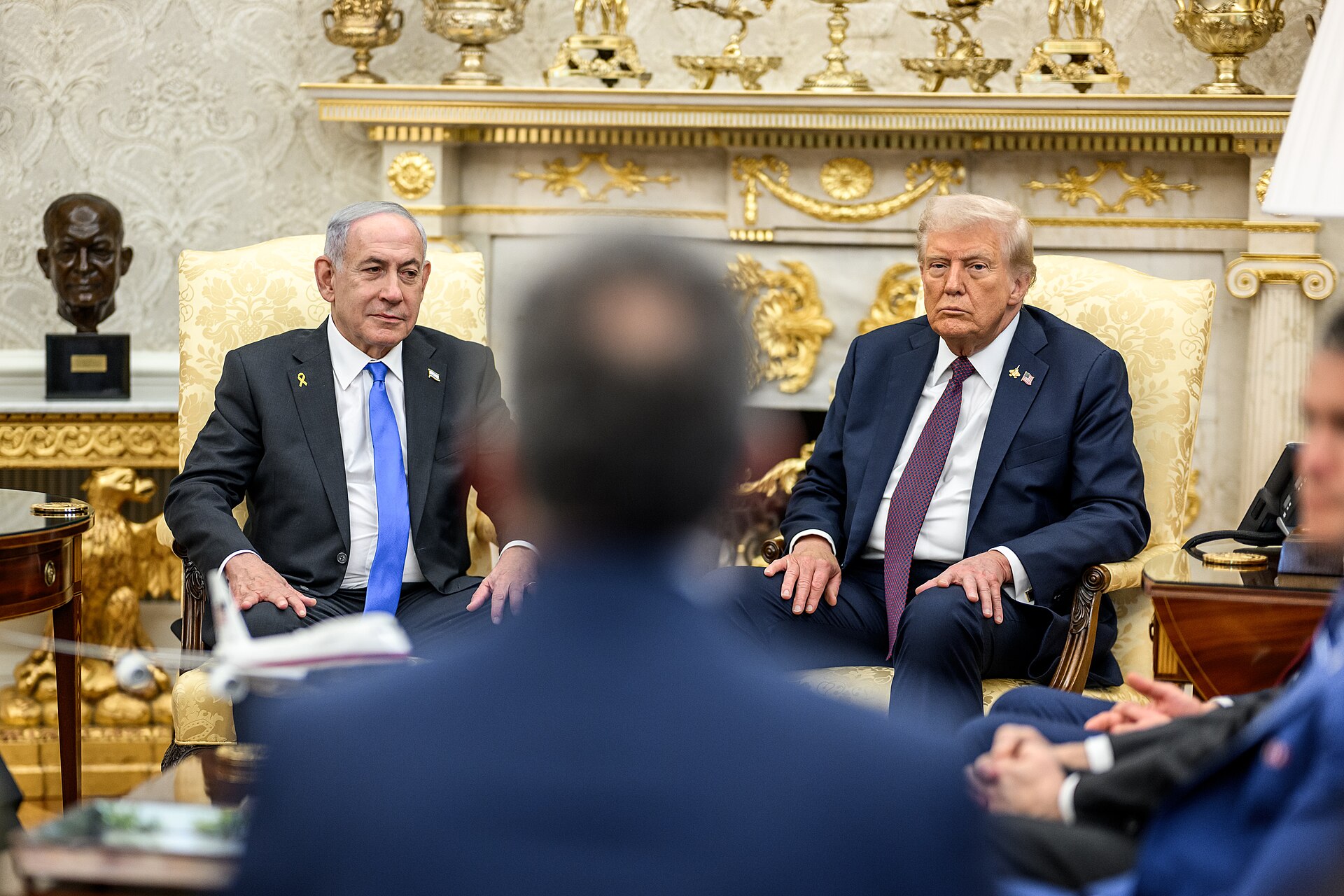
Netanyahu arrived at the White House on Tuesday for a closed-door Oval Office meeting with Trump. ABC News reported that White House press secretary Karoline Leavitt later said the meeting had ended.
Images from the meeting showed Vice President JD Vance, Secretary of State Marco Rubio and Treasury Secretary Scott Bessent in attendance, according to the ABC News live update. Leavitt described Trump’s meetings with Netanyahu and Ukrainian President Volodymyr Zelenskyy as “positive and productive.”
That official phrasing smooths over the sharper public signal from Trump’s television interview. The administration can present the meeting as constructive while Trump still warns that Netanyahu’s intelligence claims may be aimed at keeping the U.S. in the fight.
Both things can be true. Allies often argue behind closed doors and project unity afterward. What is unusual here is how openly Trump framed Netanyahu’s pitch as self-interested before the two men sat down.
Iran damage claims raise stakes
The Trump-Netanyahu exchange unfolded against a broader and worsening conflict picture. ABC News reported that Iranian government spokesperson Fatemeh Mohajerani said recent U.S. attacks caused “severe damage” to civilian infrastructure across Iran.
Mohajerani said airports, bridges, railways and energy facilities had been damaged, and claimed more than 350 Iranian government employees had been killed. She also said 12 bridges and two tunnels were damaged.
Among the examples she cited were Bushehr Airport, which she said had been rendered inoperable and would require total reconstruction, and a maritime control tower at Chabahar, which she said had been destroyed. She also described the Bushehr Meteorological Center as a civilian weather facility that had been almost entirely razed.
Those claims come from Iran and should be read as part of a wartime information environment. Still, they underscore why any new intelligence allegation tied to Iran’s nuclear program carries weight: another round of escalation could come with real infrastructure, economic and human costs.
Hormuz keeps pressure on Washington
The larger standoff is centered on the Strait of Hormuz, one of the world’s most strategically sensitive shipping routes. ABC News described the U.S. and Iran as locked in a standoff there even after negotiations began in June.
According to the source report, Trump announced “major combat operations” against Iran on Feb. 28, including large joint U.S.-Israeli strikes on military, government and infrastructure targets. U.S. and Iranian delegations later entered negotiations in June aimed at a war-ending deal based on a memorandum of understanding signed by both countries.
Despite that diplomatic track, the two sides have continued to exchange strikes. That creates the core tension around Netanyahu’s intelligence: every new allegation about Iran’s nuclear activity could support more military pressure, while every strike makes negotiations harder to sustain.
The Houthis also claimed to have attacked a Saudi oil tanker, NCC GHAZAL, in the Red Sea with ballistic missiles, according to ABC News. That claim adds another layer of regional risk, even if the Trump-Netanyahu dispute remains focused on Iran’s nuclear program.
What remains unsettled
The immediate unanswered question is what Netanyahu presented to Trump in private, and whether the Israeli intelligence on Pickaxe Mountain changed any U.S. assessment of Iran’s nuclear capabilities. The reporting does not establish those details publicly.
It is also unclear whether Trump’s skepticism reflects a broader intelligence disagreement inside the U.S. government, a negotiating tactic aimed at Iran, or a message to Netanyahu that American support has limits.
For Netanyahu, the argument is likely that Israel cannot afford to wait if Iran is rebuilding nuclear capacity. For Trump, the risk is that accepting every urgent Israeli warning could make it harder to exit a conflict he is also trying to negotiate down.
That is why the Pickaxe Mountain dispute matters beyond one meeting or one quote. It shows the Iran standoff is now being fought on three fronts at once: military pressure, nuclear intelligence and the politics of how long the United States stays involved.










Leave a Reply