
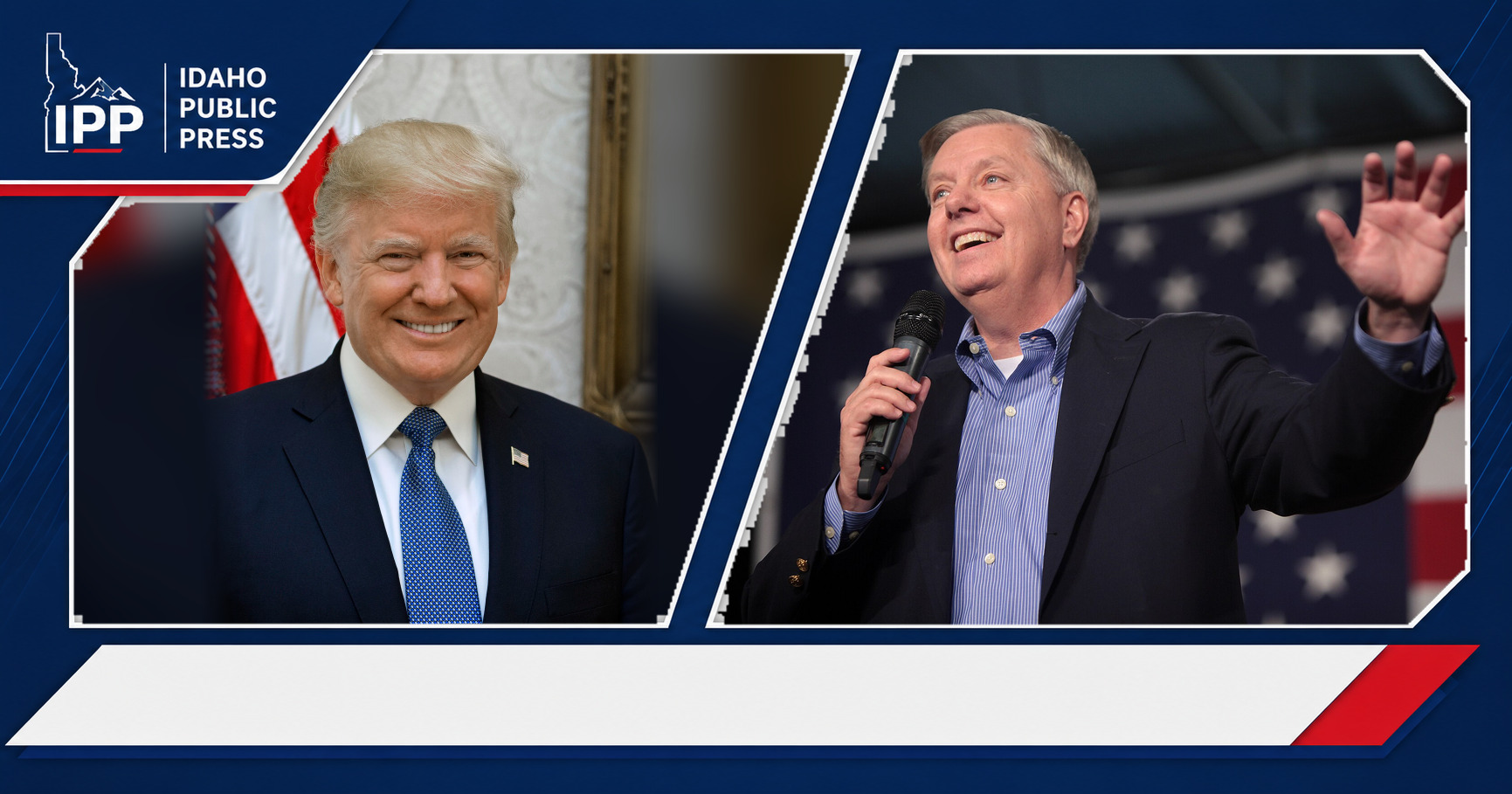
The remarks were blunt even by Trump’s standards because they came as he was memorializing a longtime ally. They also underscored a Republican divide over military power, Ukraine, Iran and how Graham should be remembered.
On July 28, 2026, Donald Trump said in Washington that Lindsey Graham “liked war” and was a Republican senator who had “Never seen a war he didn’t like,” remarks made on Fox & Friends before Graham’s funeral at Washington National Cathedral. Trump later carried the same idea into his eulogy, casting Graham’s hawkishness as part of his legacy rather than as a simple insult.
The timing made the line hard to ignore. Trump was remembering a late ally, but he was also defining Graham in the sharpest terms available: a man whose instinct was to project American power, arm U.S. partners and push enemies to lose.
A tribute with an edge
According to USA Today, Trump first made the comments during a Fox & Friends interview hours before the funeral service in the nation’s capital. “I mean Lindsey liked war, to be honest, with you,” Trump said, before adding that Graham was “a guy that liked war.”
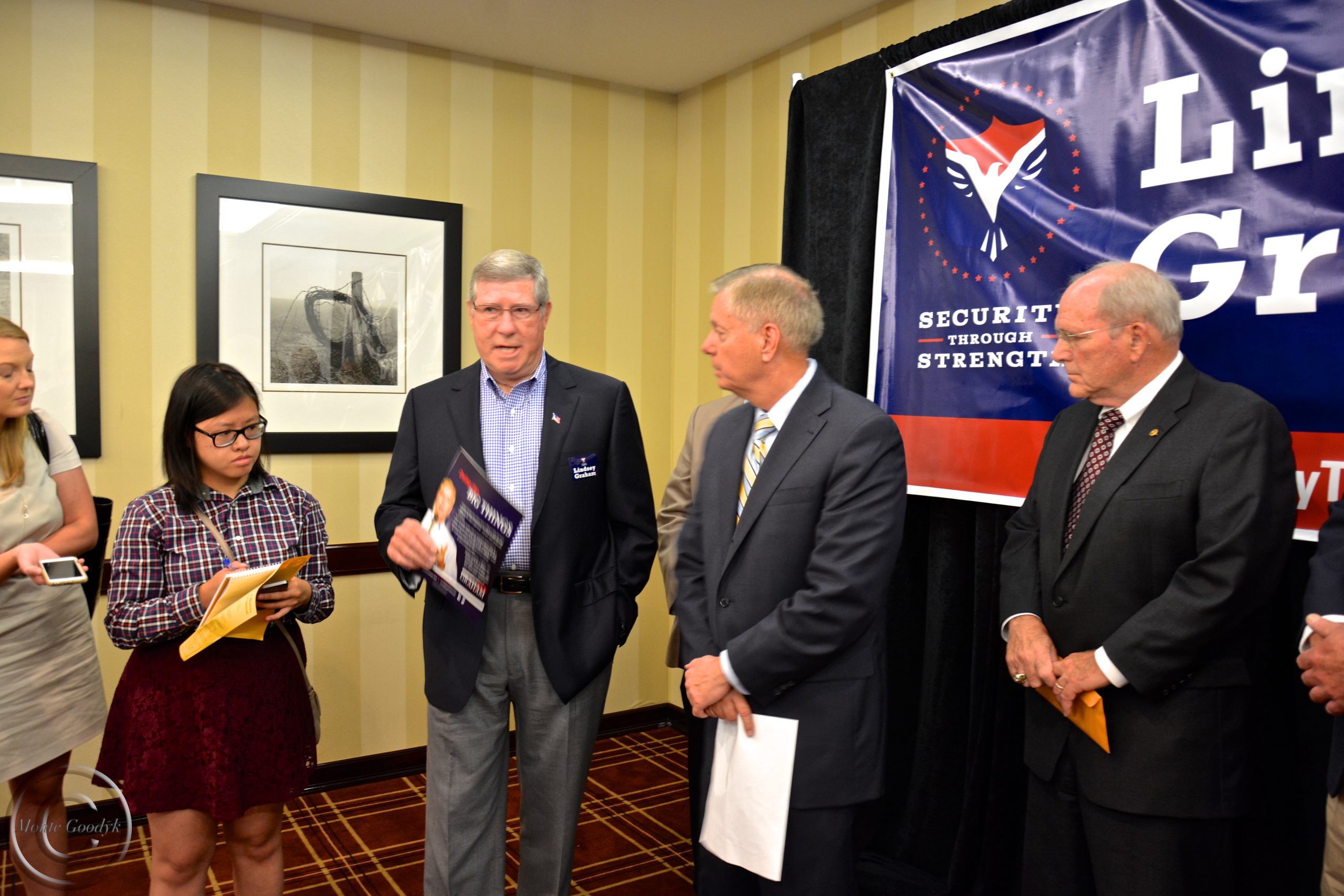
Trump laughed as he delivered the line, but he did not leave it behind when he arrived at Washington National Cathedral. In his eulogy, he described Graham as “extremely hawkish” and repeated that Graham “never saw a war that he didn’t like.”
Trump then softened the meaning. He told mourners that Graham’s hawkishness came from patriotism, saying Graham wanted it “for the good of our country” and believed America’s job was to win while making sure its enemies lost.
That combination — affection, mockery and ideological labeling — was pure Trump. It turned a memorial moment into a political statement about Graham’s role in Republican foreign policy.
Why the line landed hard
Calling someone pro-war at a funeral is unusually blunt, even when the speaker intends it as praise. Graham’s supporters have often described his foreign policy as muscular, moralistic and rooted in deterrence. Critics have used similar facts to call him interventionist.
Trump’s phrasing collapsed that debate into one phrase: “liked war.” It was memorable, but also loaded. It suggested appetite, not just strategy.
That is why the pushback mattered. On Fox & Friends, co-host Ainsley Earhardt referenced remarks by Graham’s sister, Darline Graham, who had defended him against the same type of characterization. Earhardt summarized that view by saying Graham “didn’t love war, he loved peace and the end of war,” while adding that sometimes war is necessary.
Trump did not answer that point before the interview moved on. The silence left two competing portraits side by side: Graham as a hawk who believed force preserved peace, and Graham as a politician whose allies worried the “liked war” label went too far.
Ukraine, Iran and Graham’s worldview
The comments came against a backdrop that made Graham’s foreign policy record central to the day. USA Today reported that the funeral prompted visits to the United States by leaders of Israel and Ukraine, and came as an expected vote on legislation to sanction Russia was looming.
Trump said in the Fox interview that Graham had changed his position on waging war on Iran and supported a deal to end that conflict in his final days. At the same time, Trump said Graham remained militant in his backing of Ukraine as it fought Russia.
Those details explain why Graham’s legacy is difficult to reduce to one label. He was often described as a hawk because he favored robust American support for allies and pressure on adversaries. But supporters would argue that he viewed military strength as a way to prevent worse outcomes, not as an end in itself.
The Ukraine piece is especially revealing. For Trump’s wing of the Republican Party, prolonged military aid can be framed as open-ended entanglement. For Graham’s camp, arming Ukraine was a test of whether the U.S. would help a partner resist Russian aggression.
A friendship after open hostility
Trump and Graham’s relationship gave the comments another layer. They were not longtime natural allies. Graham competed against Trump for the 2016 Republican presidential nomination and called him “unfit for office,” according to USA Today’s account.
Their feud also crossed personal lines. Graham clashed with Trump over Trump’s attacks on the late Sen. John McCain, a prisoner of war in Vietnam and one of Graham’s closest friends.
Yet the two eventually became close during Trump’s first term. Graham advised Trump on foreign affairs, played golf with him and became one of the more visible Republican defenders of Trump’s presidency.
The relationship fractured again after the Jan. 6, 2021, riot at the U.S. Capitol, then recovered enough for Graham to support Trump’s 2024 comeback bid. Graham endorsed Trump over Nikki Haley, another South Carolina Republican, in the GOP primary.
The old phone-number story returned
Trump used the eulogy to revisit one of the stranger episodes in their rivalry: the time he publicly shared Graham’s personal cellphone number during the 2016 campaign. Trump acknowledged at the funeral that it was something he “shouldn’t have done.”
Then he turned the story into a friendship anecdote. Trump said Graham had “the last laugh” because although Trump “blew up his phone” for one day, Graham kept calling him for the next 10 years.
That joke carried the same tension as the war line. Trump was honoring Graham, but through stories that reminded everyone of conflict, insult and political recovery.
It also captured why their alliance fascinated Washington. Graham became close to a president he once condemned, while Trump embraced a senator whose foreign policy instincts often ran more interventionist than his own.
What Graham’s legacy now carries
Funerals usually sand down political edges. This one sharpened them. Trump’s tribute framed Graham as a statesman, friend and global figure, but also as a symbol of the Republican Party’s unresolved argument over force abroad.
One side sees Graham’s hawkishness as clarity: stand with allies, punish adversaries and accept that military power sometimes prevents larger wars. The other side hears the same record and sees the risk of endless conflict, especially when U.S. weapons, sanctions and troops become part of distant fights.
Trump tried to praise Graham by saying his instincts came from a belief that America should win. Darline Graham’s defense, as relayed on Fox, suggested a different emphasis: that Graham sought peace, even if he believed war could sometimes be necessary.
The unanswered question is how Graham will be remembered beyond the people who knew him personally. Trump’s line may stick because it is vivid. Whether it is fair depends on whether voters and historians hear it as an insult, a compliment or a crude shorthand for a foreign policy era that still divides Republicans.










Leave a Reply