
A disputed red card has become a test of World Cup rules, FIFA transparency and political influence. Belgium is challenging Balogun’s eligibility before a knockout match against the U.S.
World Cup controversies usually need only a referee, a replay and a losing side to become combustible. This one now has a president, a FIFA reversal and a rival federation saying the rulebook no longer looks solid.
U.S. striker Folarin Balogun is eligible to play against Belgium after FIFA suspended his automatic one-game ban from a red card. The decision followed Donald Trump’s request for a review, and it has turned a disciplinary call into a fight over fairness, transparency and political pressure at the world’s biggest tournament.
One call changed the stakes
Balogun, 25, was sent off during the United States’ 2-0 win over Bosnia and Herzegovina after a video review. According to CNBC’s account, the review showed him landing on the ankle of Bosnia and Herzegovina player Tarik Muharemovic during contact between the two players.
Under World Cup competition regulations cited by Belgium’s federation, a player who is sent off after a direct red card or second caution is automatically suspended for the team’s next match. That would have kept Balogun out of the U.S. knockout match against Belgium in Seattle.
Instead, FIFA said the implementation of Balogun’s automatic suspension was suspended for a probationary period of one year. That allowed him to remain available for the Round of 16 match.
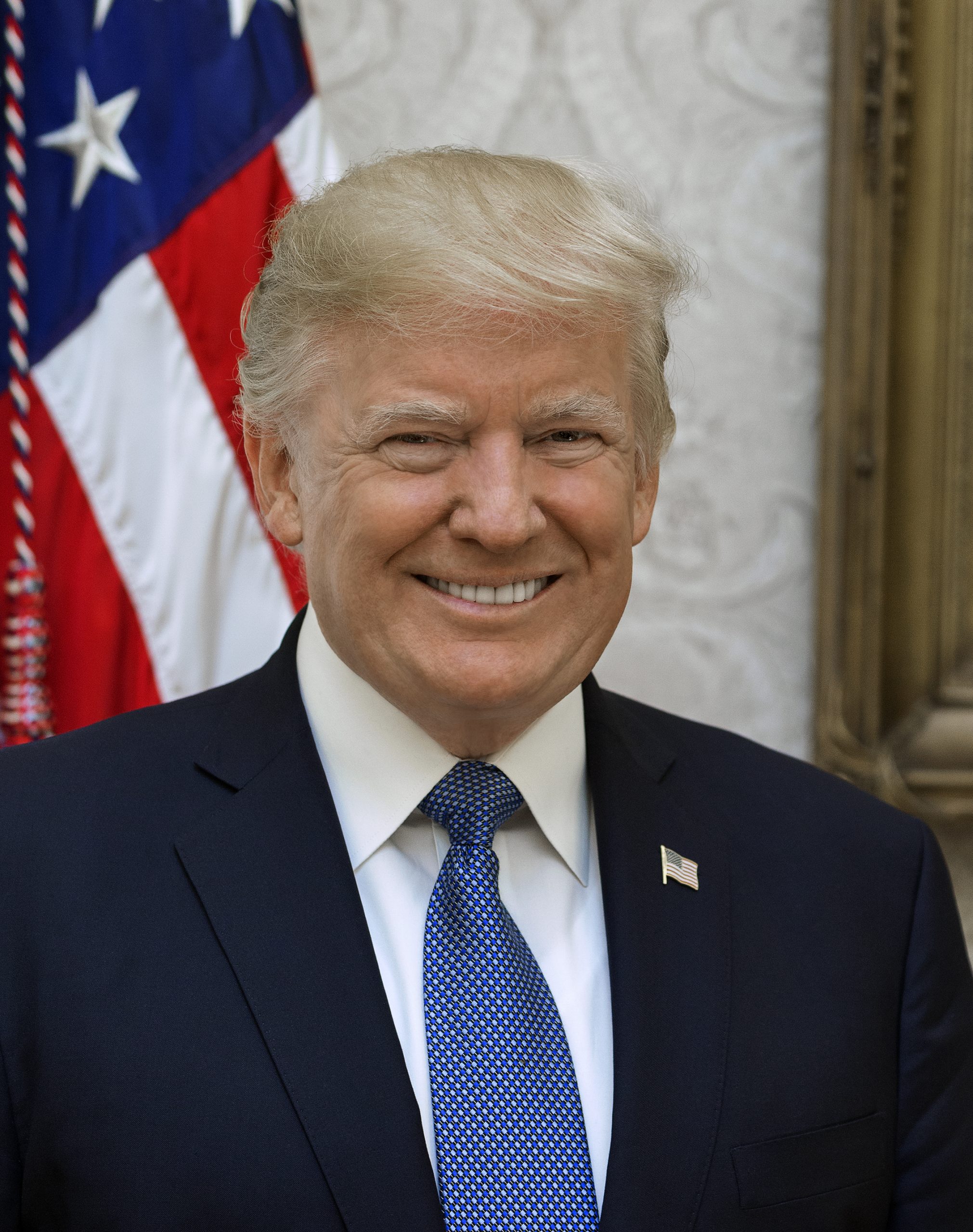
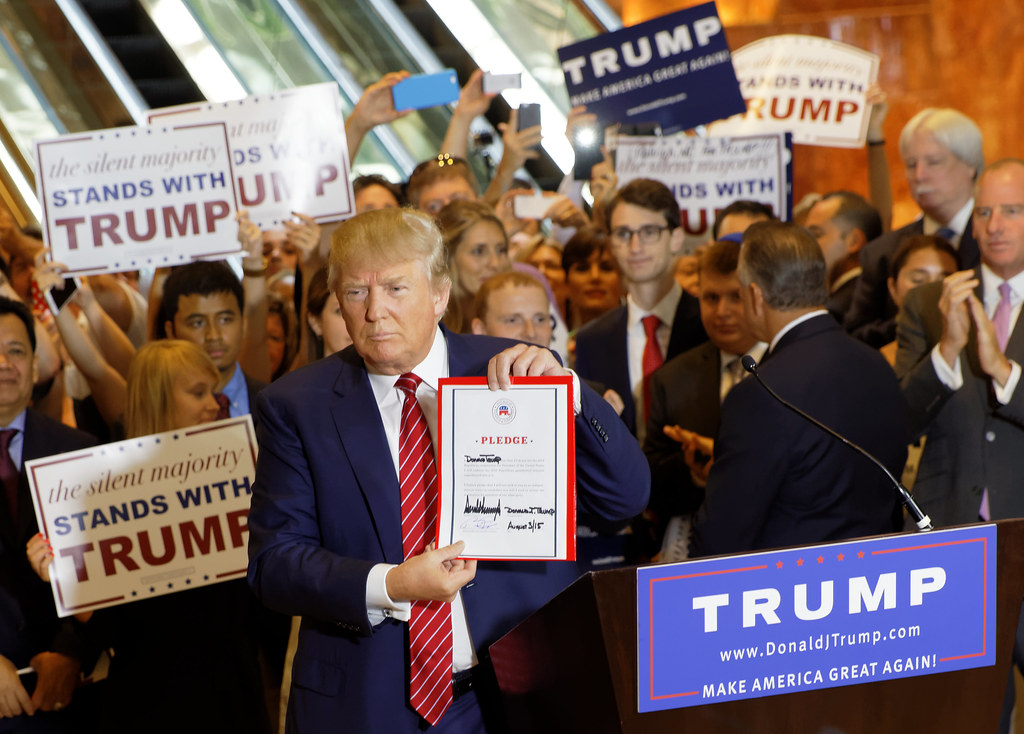
The twist is how the review landed in FIFA’s hands. Trump told reporters he had called FIFA president Gianni Infantino and asked for the red card and suspension to be reviewed. “I asked for a review because I didn’t think it was a foul,” Trump said, according to CNBC. “I didn’t know what the hell a red card was.”
Belgium says the rules broke
The Royal Belgian Football Association responded by challenging Balogun’s eligibility, saying FIFA had not given it a decision or explanation for why the American forward could play.
“To be clear, as of this moment, the RBFA has still not received any decision or any explanation from FIFA regarding this matter,” the Belgian federation said in a statement quoted by CNBC. “It therefore has no alternative but to challenge the player’s eligibility for the upcoming match.”
Belgium’s complaint is not simply that a dangerous play went unpunished. Its sharper point is that FIFA appeared to create an exception to a rule that teams are expected to treat as automatic.
The RBFA called the decision a “direct contradiction” of World Cup regulations. It later said it had asked FIFA for information, not intended to file an appeal, but FIFA treated the request as an appeal and then made sure it would be declared inadmissible, according to CNBC’s report.
FIFA leaned on a clause
FIFA did offer a rules-based reason for the outcome. Its statement cited Article 27 of the FIFA disciplinary code, which says a judicial body may fully or partially suspend the implementation of a disciplinary measure.
That clause gives FIFA some room to maneuver. The problem is that World Cup red-card suspensions are normally understood as immediate and automatic, especially inside a knockout tournament where a single player’s availability can alter the balance of a match.
CNBC reported that this was the first time in more than 60 years of World Cup matches that FIFA allowed a player to play the next game after such a red-card suspension. If that characterization holds, the decision is not a routine technical adjustment. It is a precedent.
FIFA’s challenge now is bigger than explaining why Balogun deserved leniency. It has to explain why this case qualified for special treatment, why that reasoning was not immediately shared with Belgium, and whether other teams can expect the same relief in similar circumstances.
UEFA escalated the criticism
European soccer’s governing body, UEFA, sharply criticized FIFA’s move. In a statement quoted by CNBC, UEFA said FIFA had “crossed a red line” and called the decision “unprecedented, incomprehensible and unjustifiable.”
UEFA’s language matters because this is not just Belgium objecting before a knockout match. It is a major confederation warning that the governing body of world soccer may have undermined confidence in its own competition.
“Football, like any other sports, relies on rules, which are the basis for fair, honest and transparent competition,” UEFA said. It added that when the certainty of rules is not guaranteed by their guardians, “the integrity of the game is at stake and the credibility of a competition is undermined.”
That is the central pressure point. Even if FIFA can justify the decision legally, the optics are punishing: the U.S. is a World Cup co-host, the suspended player is American, and the review was requested by the U.S. president.
Trump’s role raises the temperature
Trump’s involvement is what lifted the case from sports-page argument to political storm. He has been unusually visible around the tournament, which the United States is co-hosting with Mexico and Canada.
The New York Times reported that Trump called Infantino on Wednesday and asked him to review Balogun’s suspension, citing three people familiar with the conversation, according to CNBC. CNBC also cited MS NOW reporting that a U.S. official said the government provided “additional evidence” to FIFA and that the disciplinary committee used that information in the process leading to the suspension reversal.
That official said the government focused on referees’ use of slow-motion replay before the red card was issued. The official told MS NOW that “the correct and proper outcome was achieved,” according to CNBC.
Trump also thanked FIFA on Truth Social “for doing what was right, and reversing a great injustice!” The White House did not immediately respond to CNBC’s request for comment.
A close FIFA relationship matters
The relationship between Trump and Infantino is now part of the scrutiny. CNBC noted that Trump has had a close relationship with the FIFA president, and that FIFA awarded Trump its inaugural peace prize last year.
Trump’s 2025 financial disclosure, made public last week, showed that Infantino gave him 10 tickets valued at $15,000 to the FIFA Club World Cup final at MetLife Stadium in New Jersey, according to CNBC. Trump attended that match, where Chelsea beat Paris Saint-Germain, and joined Infantino on the field to present the trophy.
None of that proves the Balogun decision was improper. It does explain why rivals and fans are asking whether a normal disciplinary process remained insulated from political access.
U.S. Soccer, for its part, avoided the broader fight. “We accept the decision of the Disciplinary Committee and are pleased that Folarin Balogun is eligible to compete tomorrow,” the federation said Sunday, according to CNBC. It said its focus was on the Round of 16 match and the support of fans.
The precedent is the problem
For the U.S. team, the immediate result is simple: Balogun can play. For FIFA, the longer-term question is messier.
If an automatic suspension can be paused after intervention from a head of state, other federations will want to know when they can seek the same treatment, who may submit evidence, and how quickly opponents are entitled to receive an explanation.
That is why this dispute is bigger than one red card. The World Cup depends on a shared belief that every team is playing under the same rules, even when the calls are controversial.
Belgium’s challenge may or may not change the lineup in Seattle. But the damage to trust is already visible. FIFA now has to win a second match off the field: proving that its rulebook still applies the same way when politics gets close enough to pick up the phone.


Leave a Reply