
The move would target citizenship for U.S.-born children of parents without legal immigration status. Courts, states and civil rights groups are likely to decide how far any order can go.
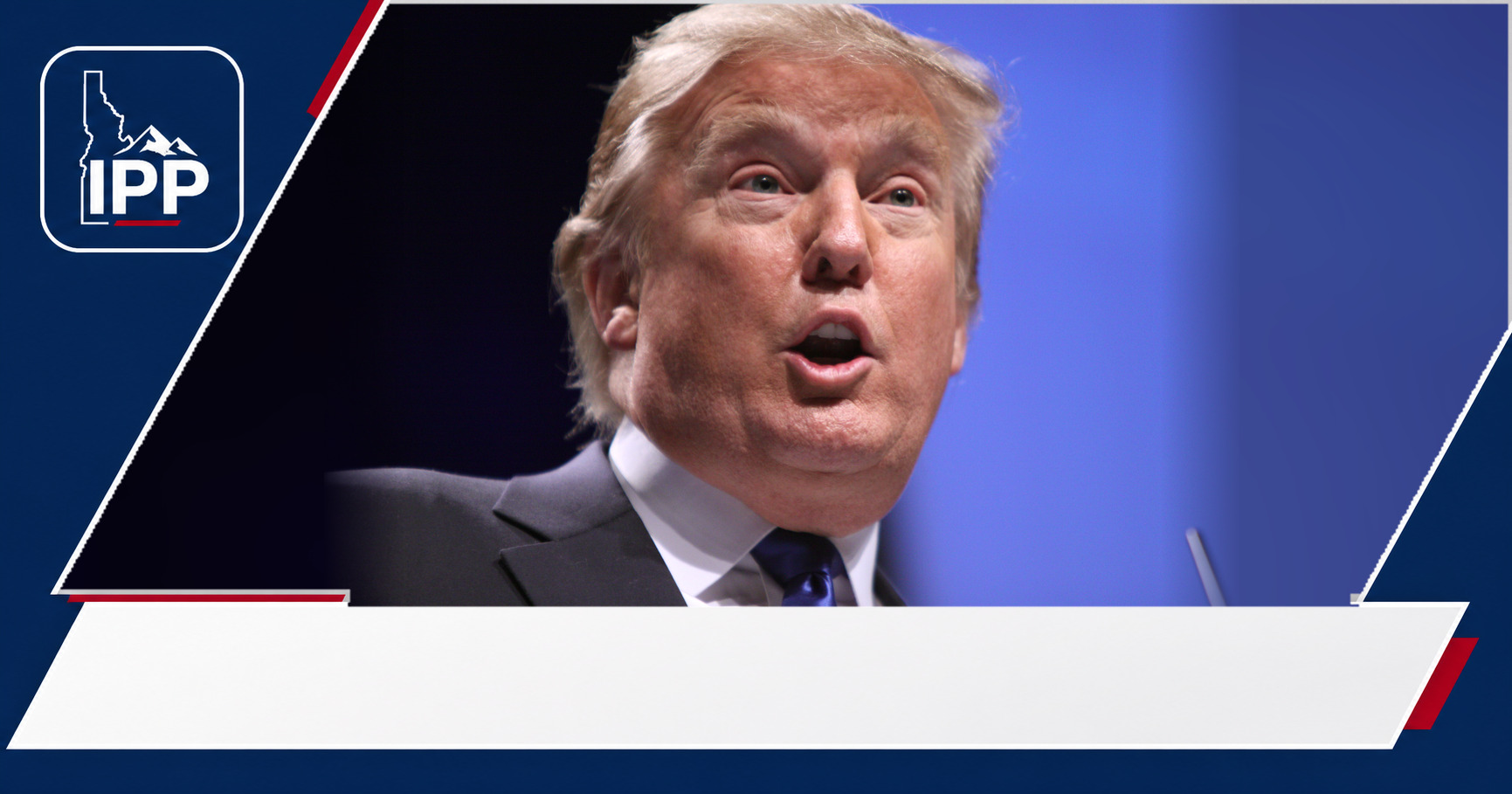
Donald Trump is expected to sign executive orders on birthright citizenship, and the report was attributed to Axios, according to a Reuters item circulating on MSN. The planned action would seek to end birthright citizenship for children born in the United States to parents without legal immigration status, a move that matters because the right is tied to the 14th Amendment and would almost certainly face immediate legal challenges.
This is not a paperwork change at the edge of immigration policy. It is a direct test of who gets counted as American at birth, and who has the power to decide that question.
The order targets automatic citizenship
Birthright citizenship generally means that a child born on U.S. soil is a U.S. citizen at birth. Trump’s reported orders are aimed at narrowing that rule for children whose parents are not legally authorized to be in the country.

Reuters reported that Trump would issue an order intended to end birthright citizenship for U.S.-born children whose parents lack legal immigration status, citing an incoming White House official. Axios was also identified in the trend report as the outlet behind the birthright citizenship reporting.
The exact legal mechanics matter. An executive order can direct federal agencies, but it cannot simply rewrite the Constitution. That gap is why the fight would likely move quickly from the White House to federal court.
Why the 14th Amendment matters
The core dispute is the 14th Amendment, adopted after the Civil War. Its citizenship clause says people born or naturalized in the United States, and subject to its jurisdiction, are citizens of the United States and of the state where they reside.
Supporters of birthright citizenship argue that the text has long protected U.S.-born children regardless of their parents’ immigration status. Civil rights groups and Democratic officials have described Trump’s effort as an attempt to dismantle a constitutional right.
Trump and his allies have argued for a narrower reading. Their position centers on the phrase “subject to the jurisdiction,” which they say leaves room to exclude some children of noncitizens from automatic citizenship.
That disagreement is not new, but putting it into an executive order would force a sharper legal confrontation than campaign speeches or policy papers ever could.
Who could be affected
The clearest group at issue is children born in the United States to parents without legal immigration status. Depending on the wording of any order, the policy could also raise questions for children born to parents with temporary or uncertain immigration status.
That uncertainty is one reason the stakes are so high. Citizenship is the gateway to a U.S. passport, voting rights later in life, protection from deportation and access to a basic legal identity that does not depend on a parent’s status.
Even if courts block an order quickly, families, hospitals, state vital-records offices and federal agencies could face confusion over how to treat newborns covered by the policy. The practical fight would not be limited to Washington.
For immigrant families, the fear is not abstract. A change in recognition at birth could create years of legal limbo, even for children who have never lived anywhere but the United States.
States are ready to sue
Axios reported that more than a dozen Democratic state attorneys general sued Trump over an executive order that attempts to ban birthright citizenship. The outlet said a coalition of 18 Democratic states, along with San Francisco and Washington, D.C., filed a lawsuit in Massachusetts federal court.
The lawsuit, according to Axios, called the order a “flagrantly unlawful attempt to strip hundreds of thousands American-born children of their citizenship” and argued that Trump has “no authority to rewrite or nullify a constitutional amendment.”
Axios also reported that Washington, Arizona, Oregon and Illinois filed a similar lawsuit in Washington federal court. Those cases show how quickly a birthright citizenship order can become a multi-state legal battle.
New York Attorney General Letitia James framed the issue as a fundamental constitutional right, while California Attorney General Rob Bonta called the order “blatantly unconstitutional and quite frankly, un-American,” according to Axios.
The White House argument
Trump made ending birthright citizenship a campaign pledge in the 2024 election, Axios reported. He also told NBC News’ “Meet the Press” that he “absolutely” intended to end birthright citizenship on day one.
For Trump’s supporters, the move fits a broader immigration agenda built around deterrence, border enforcement and limiting incentives for unauthorized immigration. Some conservatives have long argued that automatic citizenship encourages illegal entry or so-called birth tourism.
The White House has cast resistance as political obstruction. Axios quoted White House spokesman Harrison Fields saying opponents could either “swim against the tide” or work with Trump to advance what he called a popular agenda.
That argument will not be enough in court. Judges would have to assess the constitutional text, precedent and the limits of presidential authority, not just the political appeal of the policy.
What remains unresolved
The biggest unanswered question is the exact text of the executive orders. Small wording choices could determine whether the policy targets only children of undocumented parents, also covers some temporary visa holders, or directs agencies to reinterpret citizenship documents more broadly.
Another question is timing. A court could issue a temporary block before the policy takes practical effect, or allow parts of it to proceed while litigation continues. Either path would create a fast-moving legal fight with consequences for families and government agencies.
There is also the Supreme Court question. Because birthright citizenship sits at the intersection of immigration, constitutional law and presidential power, any major ruling from lower courts could eventually be appealed upward.
The immediate takeaway is clear: Trump’s reported birthright citizenship orders are not just another immigration directive. They are an attempt to force a constitutional test over the meaning of citizenship itself.



Leave a Reply