
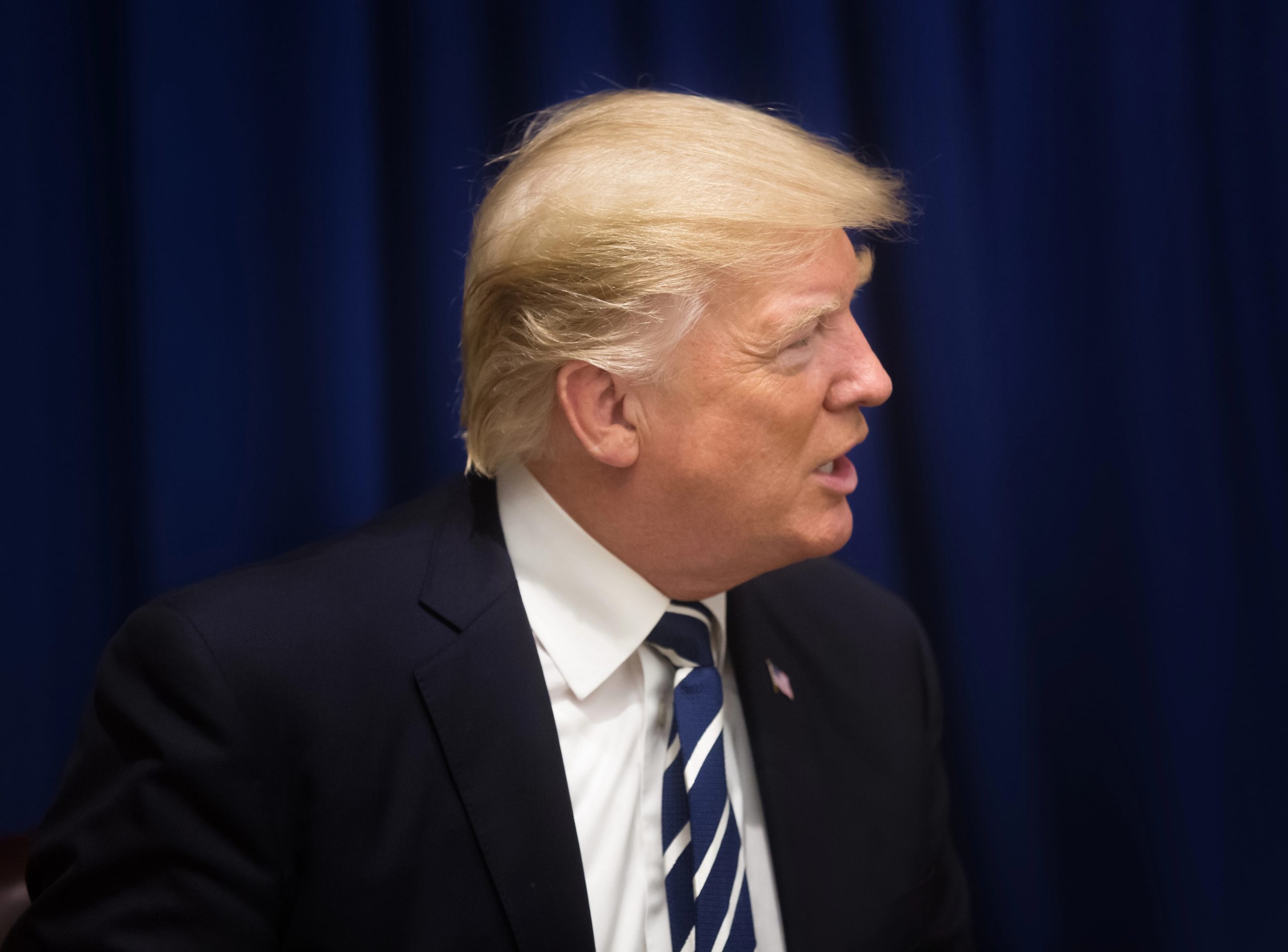
Trump’s own pressure campaign has sharpened the stakes: sanctions, nuclear warnings and regional risk leave fewer low-cost exits. The hard part is deciding what pressure is supposed to buy.
Donald Trump’s choices on Iran are getting worse: his options are narrowing, and the costs of any course of action are growing. A CNN analysis published Monday casts Trump’s repeated Iran decision points as a deepening strategic dilemma, not a single dramatic crossroads, because each fork in the road leaves fewer clean exits.
The pressure is partly self-made. The White House says Trump restored “maximum pressure” on Iran in a February 2025 National Security Presidential Memorandum aimed at denying Tehran a nuclear weapon, choking oil exports and countering its regional networks. That posture gives him leverage, but also less room to climb down.
Maximum pressure has a trap
Trump’s Iran policy is built around coercion. According to the White House fact sheet, the 2025 memorandum directed the Treasury Department to impose maximum economic pressure on Iran, including sanctions or enforcement measures against those violating existing restrictions.
It also called for guidance to business sectors such as shipping, insurance and port operators about the risks of knowingly violating U.S. sanctions tied to Iran or Iranian-backed groups. The Secretary of State, the White House said, would modify or rescind sanctions waivers and work with Treasury on a campaign aimed at driving Iran’s oil exports to zero.
That is a clear signal to Tehran and to international businesses: the U.S. wants to make the cost of doing business with Iran higher. But the same clarity can become a constraint. If pressure does not force the outcome Trump wants, easing it may look like retreat. Increasing it may invite a larger confrontation.
This is the core bind behind the “choices get worse” frame. The more a president defines success as denying Iran specific capabilities and choking off its revenue, the harder it becomes to accept partial, ambiguous or temporary results.
Every option carries a price
The menu is familiar, but none of the choices is clean. Trump can keep tightening sanctions and enforcement. He can seek a diplomatic channel. He can threaten or use military power. He can try to rally allies for broader international pressure.
Each path has a cost. Sanctions can squeeze Iran, but they do not automatically produce a political concession. Diplomacy can reduce risk, but it can be attacked as weakness if it appears to soften the maximum-pressure campaign. Military action can show resolve, but it can also trigger escalation that is difficult to contain.
CNN’s analysis points to the way decision points compound. A president may begin with a relatively controlled move, then face pressure to answer the next Iranian response, then the next. Over time, the issue shifts from “What is the best Iran policy?” to “How does Trump avoid being boxed in by his last move?”
That matters because foreign policy crises rarely stay in one lane. A sanctions decision can become an oil-market question. A military warning can become a regional security problem. A diplomatic opening can become a domestic political test.
The nuclear issue raises stakes
The White House framed the maximum-pressure memorandum around a blunt objective: Iran should be denied a nuclear weapon and intercontinental ballistic missiles. It also said Iran’s missile development and other weapons capabilities should be countered.
That language leaves little space for ambiguity. If the administration believes Iran is moving closer to a nuclear weapons capability, pressure grows on Trump to show that his strategy can stop it. If Iran does not move closer, the administration still has to explain what level of pressure is necessary and for how long.
The nuclear file is also where time becomes political. Sanctions often take time to bite. Diplomacy can take months. Intelligence assessments may be contested or incomplete. But presidents face demands for visible proof that their policy is working.
That mismatch makes the dilemma sharper. A slow policy can look ineffective before it has a chance to work. A fast policy can create consequences before the administration has a plan for what comes after.
Allies complicate the pressure campaign
The White House said the U.S. ambassador to the United Nations would work with key allies to complete the “snapback” of international sanctions and restrictions on Iran. That point is important because Iran policy is not only a Washington-Tehran contest.
Allies can strengthen a pressure campaign by making it harder for Iran to route around U.S. sanctions. They can also complicate it if they do not share Washington’s timeline, risk tolerance or preferred endgame.
For Trump, that creates another narrowing lane. Acting with allies can require compromise and patience. Acting without them can preserve freedom of action, but it may make enforcement harder and increase the diplomatic burden on the United States.
This is one reason maximum pressure can become harder to manage as it advances. The first step announces toughness. The later steps require coordination, discipline and a shared definition of success.
The politics at home are tight
Trump’s Iran posture also has a domestic audience. The White House fact sheet tied the policy to protecting the homeland from Iran and said federal officials would pursue legal steps to investigate, disrupt and prosecute networks inside the United States sponsored by Iran or an Iranian proxy.
That framing can help the administration argue that Iran policy is not abstract foreign policy, but a national-security issue. It can also raise expectations that Trump will respond forcefully to perceived threats.
Supporters of the approach see pressure as the point: Iran, in this view, is more likely to change course when economic, diplomatic and security costs rise. Critics of pressure-heavy strategies warn that coercion without a credible off-ramp can harden positions and make conflict more likely.
Both arguments can be true in part. Pressure can create leverage. It can also create momentum. The unresolved question is whether Trump’s team has a clear ladder down if Tehran offers less than Washington demands but more than outright defiance.
What remains unclear
The biggest unknown is the end state. The White House has stated broad goals: deny Iran a nuclear weapon, counter missiles and regional networks, tighten sanctions, and reduce oil exports. Those are objectives, but they do not fully answer what kind of deal, pause or de-escalation would be acceptable.
That ambiguity may be useful in negotiations. It lets an administration avoid locking itself into a public formula. But it also increases the risk that every next move becomes reactive, shaped more by the previous confrontation than by a settled strategy.
For now, the dilemma is not that Trump lacks options. It is that the available options are increasingly expensive. More pressure may raise the chance of a concession, but it also raises the stakes of failure. Less pressure may reduce immediate risk, but it could undercut the very campaign Trump has revived.
That is why the Iran file is becoming a test of more than toughness. It is a test of sequencing: when to squeeze, when to signal, when to negotiate, and when to stop before a policy designed to create leverage becomes a trap.





Leave a Reply