

A visibly different hairstyle became the latest viral distraction from Donald Trump’s Las Vegas economic speech. The bigger story is how quickly a change in appearance can be turned into claims that go far beyond what a photo or video can establish.
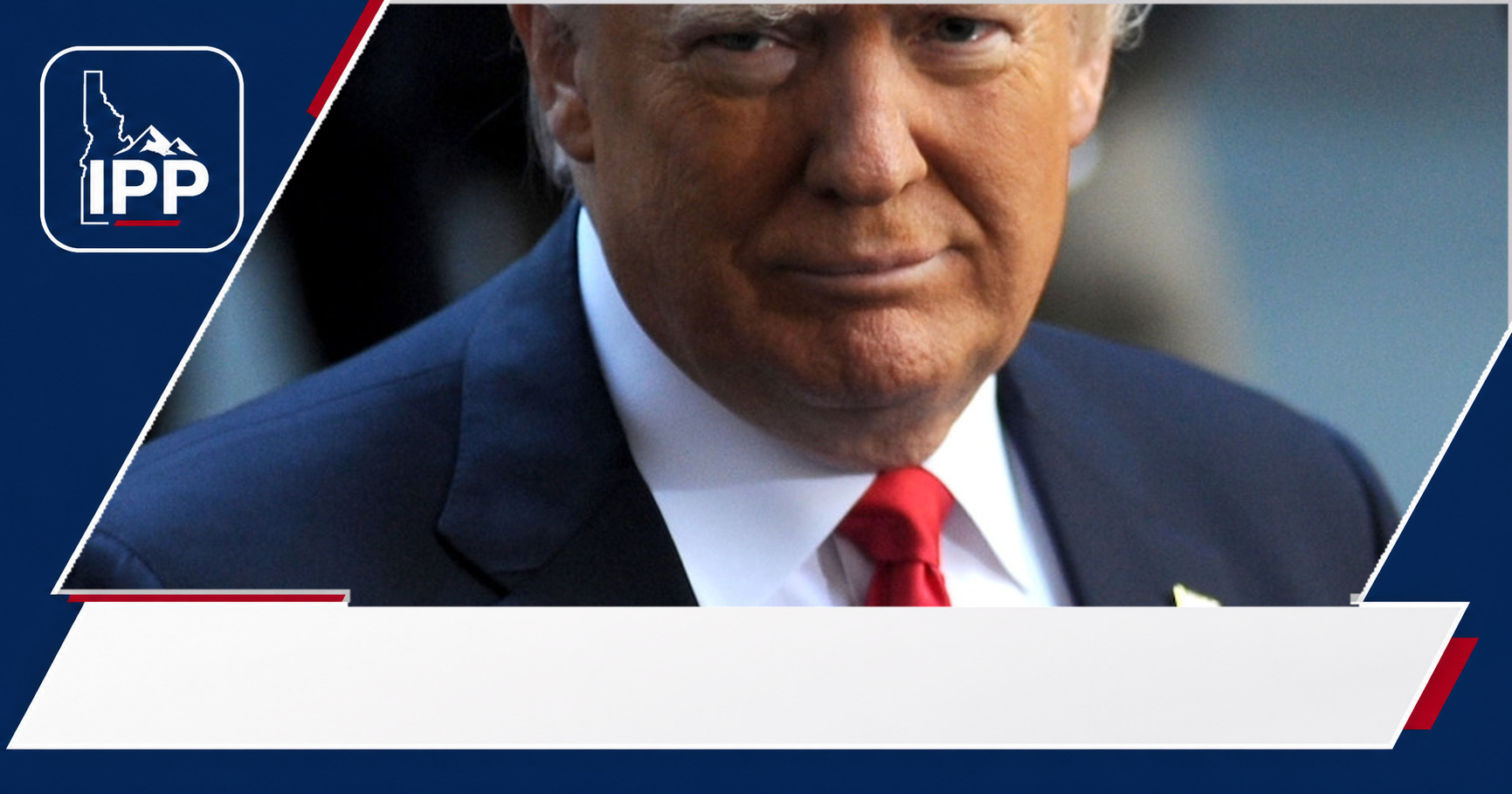
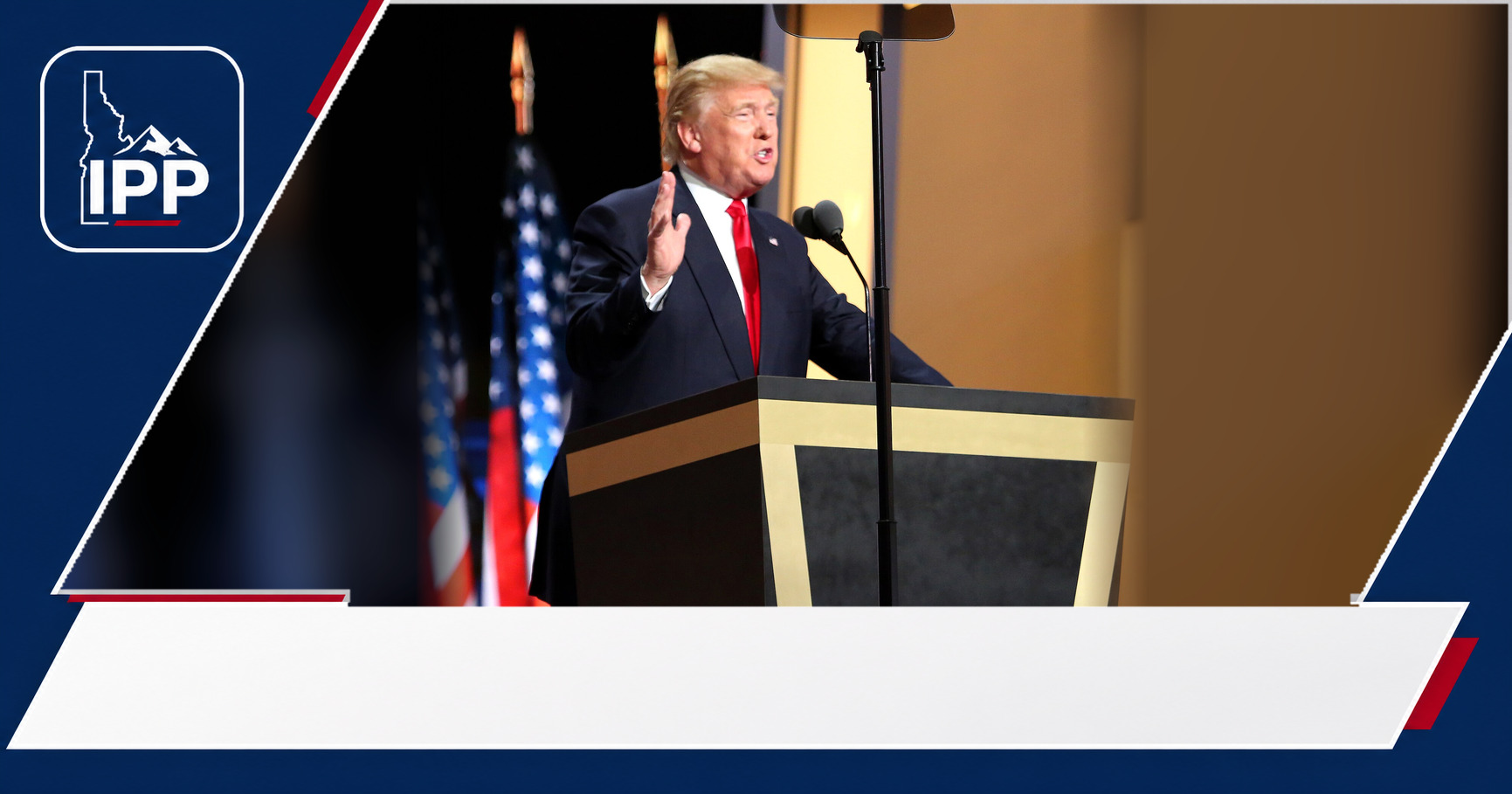
Donald Trump appeared with a noticeably different, fuller-looking hairstyle during an Aug. 5 speech at Red Rock Casino in Las Vegas, and an analyst connected the look to a new phase of perceived mental decline. The source headline called Trump’s hairdo “truly awful” and treated it as revealing, but a hairstyle cannot establish cognitive decline or a medical diagnosis.
What is verifiable is that Trump’s appearance drew widespread online attention while he spoke about economic policy. What remains unclear is who made the specific analyst claim, what evidence that person relied on, and why a cosmetic or styling change should be read as proof of anything about Trump’s mental state.
The Las Vegas look went viral
USA Today reported that Trump’s hair appeared fuller and shinier than usual at his Las Vegas appearance. The outlet said the look quickly generated memes, double takes and speculation on social media, including suggestions that he could be wearing a wig.
Journalist Aaron Rupar wrote on X that Trump’s hair had “a lot more volume than normal” and wondered what had changed. Other users made the opposite argument, praising the appearance and joking that Trump was “aging in reverse.”
That split matters. The same visual detail was used by different viewers to support entirely different narratives: one of decline, one of renewal, and one of ordinary celebrity-style curiosity.
An appearance is not a diagnosis
The source headline’s central assertion is that an analyst viewed Trump’s hairstyle as evidence his mental decline had entered “a new era.” Yet the supplied material does not identify that analyst, provide a direct quotation, describe a clinical evaluation or establish any connection between the hairstyle and cognitive functioning.
That is a major evidentiary gap. A fuller-looking head of hair can result from lighting, camera angle, styling products, a haircut, a hairpiece, makeup, wind, image processing or any number of ordinary presentation choices. None of those factors can reliably reveal whether a person has dementia, cognitive impairment or another health condition.
Public discussion of a president’s fitness is legitimate, especially when it concerns speeches, decisions, official work and documented conduct. But readers should distinguish political opinion from medical assessment. Neither a viral clip nor a striking photograph can substitute for medical records, a clinician’s evaluation or evidence tied to observable performance over time.
Trump has made hair part of his image
Trump’s hair has long been an unusually visible part of his public identity. USA Today noted that he acknowledged trying to conceal a bald spot during a 2018 Conservative Political Action Conference appearance, telling the audience that he worked hard at it.
The outlet also reported that Trump’s physician disclosed in 2018 that he used medication for male-pattern baldness. That history helps explain why even a relatively minor change in volume or styling can become a national conversation.
It also explains why the Las Vegas images were primed for rapid interpretation. Trump’s appearance is not incidental to his political brand; it is familiar enough that deviations are immediately noticed, clipped, posted and debated.
Why political health claims travel fast
Health speculation is especially potent in politics because it can appear to offer a shortcut to a much larger question: whether a leader is capable of doing the job. A visual detail can feel more immediate than a policy speech, and it is easier to share than a careful review of transcripts, decisions and records.
But speed comes with a cost. Commentary about a candidate or officeholder’s age, speech patterns, physical appearance or occasional mistakes often gets folded into partisan narratives before basic questions are answered: What happened? Is the footage complete? Is the behavior unusual for that person? Is there corroborating evidence?
A Cornell University Arts & Sciences article previously published comments from psychology lecturer Harry Segal criticizing Trump’s behavior at a Philadelphia event and describing it as evidence of cognitive decline. Those remarks were commentary, not a public medical diagnosis, and the material provided here does not show that Segal made the hairstyle claim tied to the Las Vegas appearance.
The missing evidence is the story
The source headline makes a forceful claim, but its underlying support is thin in the material available. There is no named analyst, no full analysis, no identified medical credentials, no direct evidence of a health change and no response from Trump or the White House specifically addressing the allegation.
USA Today said it contacted the White House for comment on Trump’s hair. Its reporting focused on the viral reaction to the fuller look, not on a finding about the president’s cognitive health.
That distinction should guide how the episode is read. Trump’s Las Vegas hairstyle was real enough to spark a viral moment. The leap from a different look to a declaration of worsening mental decline is an interpretation, not an established fact.
What can be fairly concluded
Trump’s appearance at the Las Vegas event gave the internet fresh material for jokes, praise and suspicion, just as his hair has done for years. It also showed how visual politics can crowd out the subject a politician intended to discuss; Trump was there to highlight economic policies, but the hair became the dominant online hook.
The fair conclusion is narrower than the headline’s claim. An analyst or commentator may see symbolism in a changed hairstyle, and critics are free to argue that Trump’s public conduct raises concerns. Still, a hairstyle alone is not evidence of cognitive decline.
For readers trying to separate a viral moment from a consequential claim, the useful test is simple: look for named sources, direct evidence, clinical expertise and independently verifiable facts. Without them, the most defensible description is not diagnosis, but speculation.






Leave a Reply