
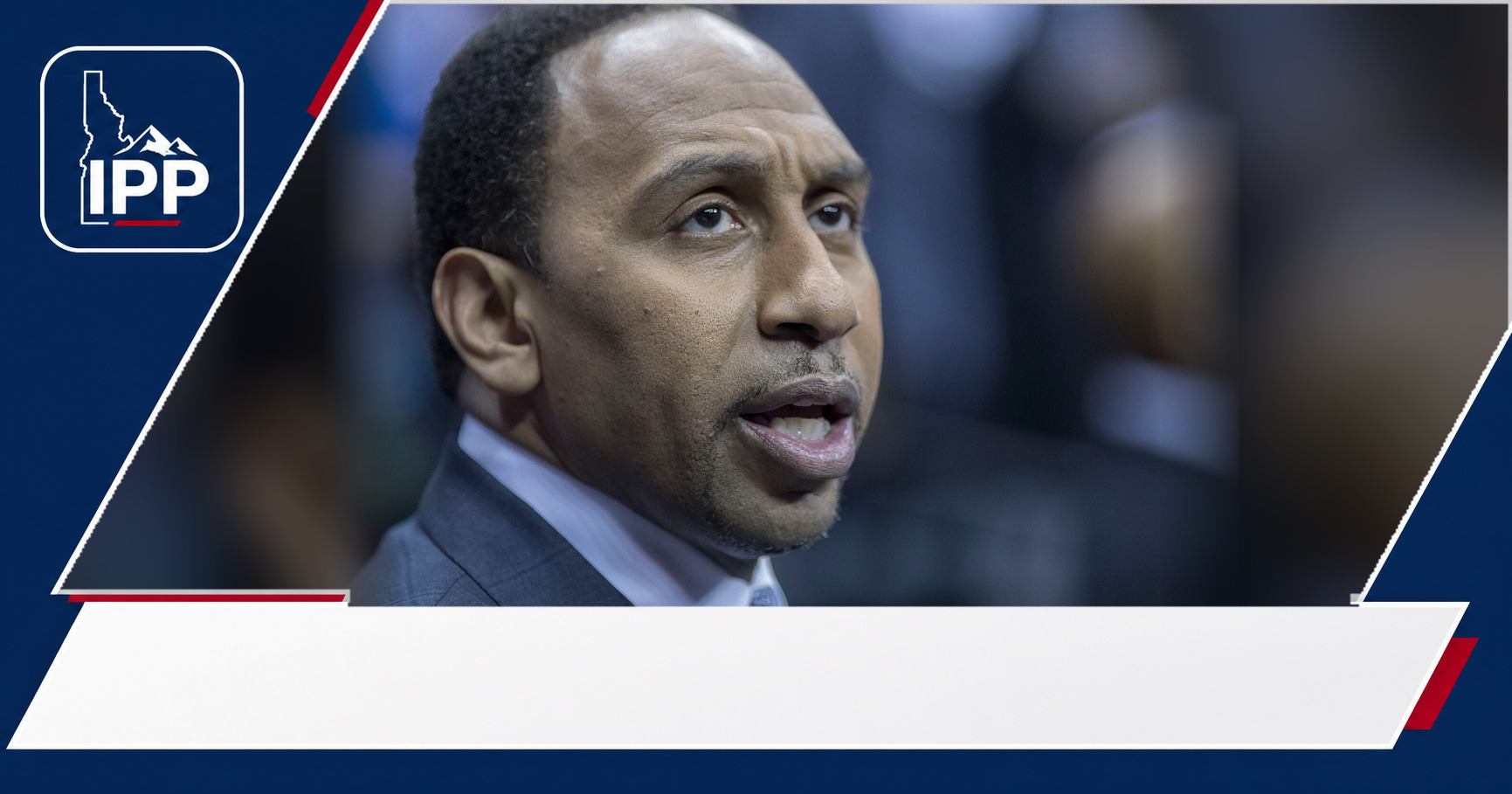
Smith’s argument is not simply that the WNBA is facing criticism. He says league leadership must clarify its policies before outside political voices define the debate for it.
Stephen A. Smith warned that criticism of the WNBA will continue as the league is pulled into controversy over women’s sports and transgender athletes. Smith urged the WNBA to take a stand for women, arguing that clearer rules and a defined public position are needed before the debate becomes even more political.
On The Stephen A. Smith Show, Smith said the league office, rather than WNBA players, had failed to close off openings for critics. His central point was blunt: the WNBA cannot expect attacks and arguments to disappear if it does not clearly explain where it stands and how it will govern sensitive questions.
Smith’s warning to league leadership
According to Basketball Network’s report on Smith’s remarks, the ESPN personality said the WNBA had “left the door open” to a wider political fight. He acknowledged that conservative voices have used the league and women’s sports as material for political arguments, but said that does not remove the league’s responsibility to articulate its own rules.
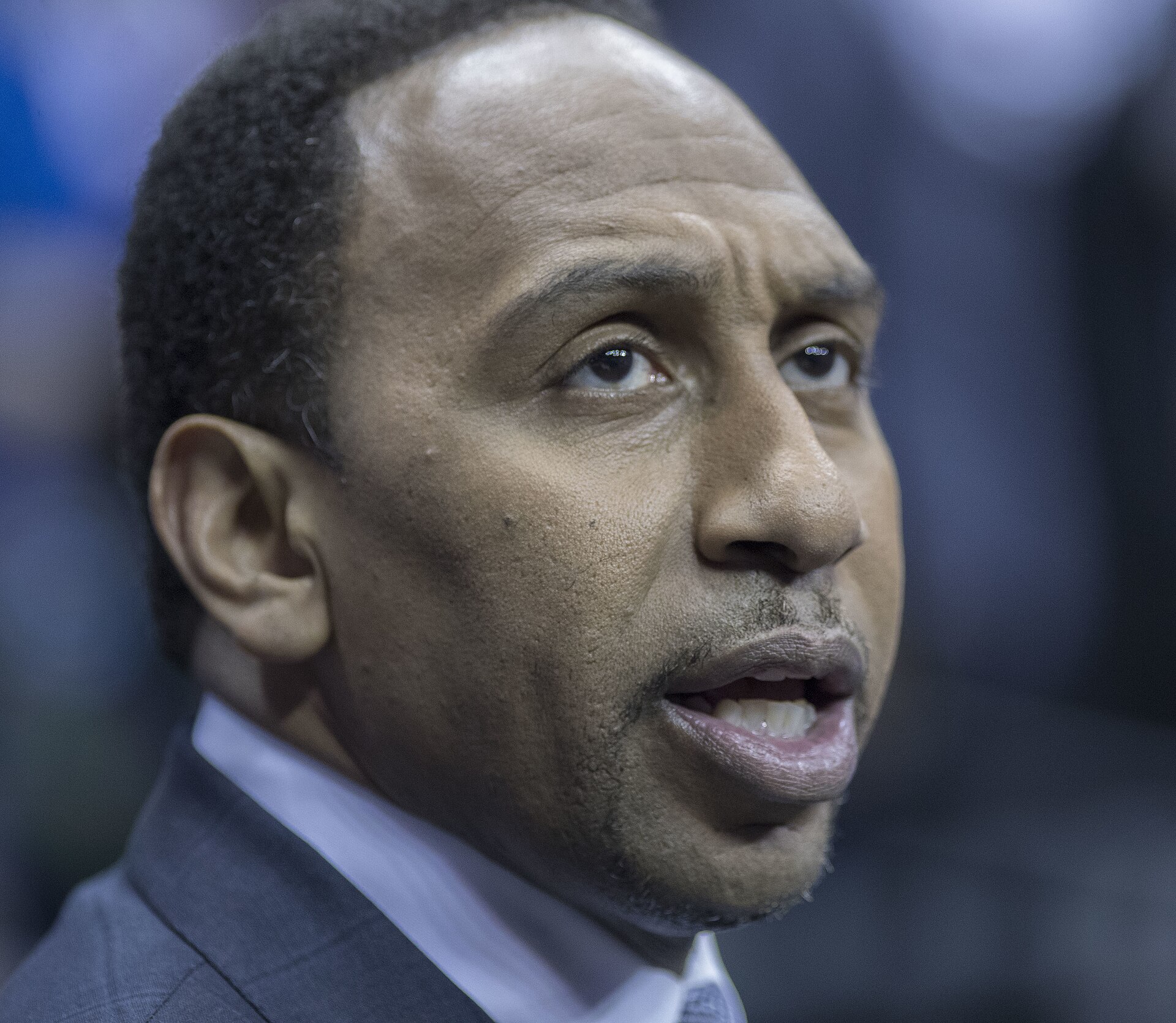
Smith framed the issue as one of institutional leadership. He called for “rules and regulations,” saying a sports league operating under intense scrutiny needs standards that are understandable to players, teams, fans and critics alike.
His sharper criticism was aimed at the league office, not the athletes. Smith said the WNBA had “dropped the ball” and cautioned that more of its decisions could be politicized if leaders do not take a clearer position.
Why transgender eligibility is central
The immediate backdrop is the broader dispute over transgender athletes in women’s sports. It is an emotionally charged subject involving competing concerns: inclusion and dignity for transgender people, competitive fairness, athlete safety, and the purpose of sex-segregated sports.
Smith’s comments came amid attention around former NBA players Enes Kanter Freedom and Royce White declaring for the 2027 WNBA Draft, according to Basketball Network. A declaration for a draft is not the same thing as eligibility, selection or a place on a roster, but it gave the argument a high-profile hook.
The WNBA’s existing collective bargaining agreement and league policies, not social-media arguments, would determine how any eligibility question is handled. That distinction matters. Public commentary can create pressure, but it does not settle policy or decide whether an individual player qualifies to compete.
BBC Sport has also reported on the controversy after Indiana Fever guard Sophie Cunningham discussed “protecting” women’s sports in an ESPN interview. Cunningham said she had received criticism from people who believed she disliked transgender people, an accusation she denied. The episode illustrated how quickly debate over policy can become a judgment about an athlete’s personal character.
A call for clarity, not silence
Smith’s prescription is direct: set rules, explain them and be prepared to defend them. He argued that saying an issue has been politicized is not enough when political figures and media personalities are already shaping the public conversation.
That argument has an appeal beyond this particular controversy. Leagues routinely publish policies on conduct, gambling, player safety and discipline because ambiguity can undermine trust. Eligibility policies are harder because they touch identity, privacy and medical information, but the basic demand for clarity is familiar.
Still, “take a stand for women” can mean different things to different audiences. Some hear it as a call for stricter sex-based eligibility standards. Others worry that broad political messaging can stigmatize transgender people or turn a small number of cases into a culture-war talking point. A useful league statement would need to be precise enough to address both concerns rather than relying on slogans.
The politics around the WNBA
Smith argued that the WNBA is being made into an easy political target. His concern is not baseless: the league has long been associated with player activism, and its growth has brought more attention from fans, commentators and elected officials who do not always share the same view of sports or gender policy.
That visibility can be a strength. WNBA players have used their platform to speak about racial justice, voting rights, pay equity and community issues. But visibility also means disputes that might once have remained inside a league office can become national arguments.
Basketball Network reported that Smith pointed to a separate episode involving Florida Attorney General James Uthmeier and a hard foul by DiJonai Carrington on Sophie Cunningham. Smith viewed that as another sign that ordinary on-court incidents can be reframed through a political lens. The available report presents that as Smith’s interpretation of the atmosphere around the league, not proof that every criticism is coordinated or justified.
The risk of making players the story
One important part of Smith’s remarks was his effort to separate the league office from the players. That distinction deserves attention. Athletes are often asked to account for policies they did not write, legal questions they cannot resolve and political narratives they did not start.
A credible response from the WNBA would need to state who makes eligibility decisions, what standards apply, how privacy is protected and whether its policies are being reviewed. It should also avoid placing individual players—cisgender or transgender—at the center of a debate that is fundamentally about governance.
There is no indication in the material reviewed that the WNBA has announced a new policy in response to Smith’s comments. Nor is it clear whether league officials plan to address the specific draft-related claims discussed in the report. Until the league speaks, outside figures will keep filling that vacuum with competing interpretations.
What Smith’s challenge really means
Smith’s “it’s about to get crazier” warning is ultimately a challenge about control of the conversation. He believes the WNBA must establish its own position on women’s sports before critics define the league as either hostile to women’s competition or hostile to transgender people.
That is a difficult line to walk, and a public statement alone would not end the argument. But clarity can establish what the league actually believes, what its rules require and where legitimate disagreement ends. For a league whose players and audience have spent years building momentum, leaving that work to political operatives and viral clips carries its own cost.





Leave a Reply