
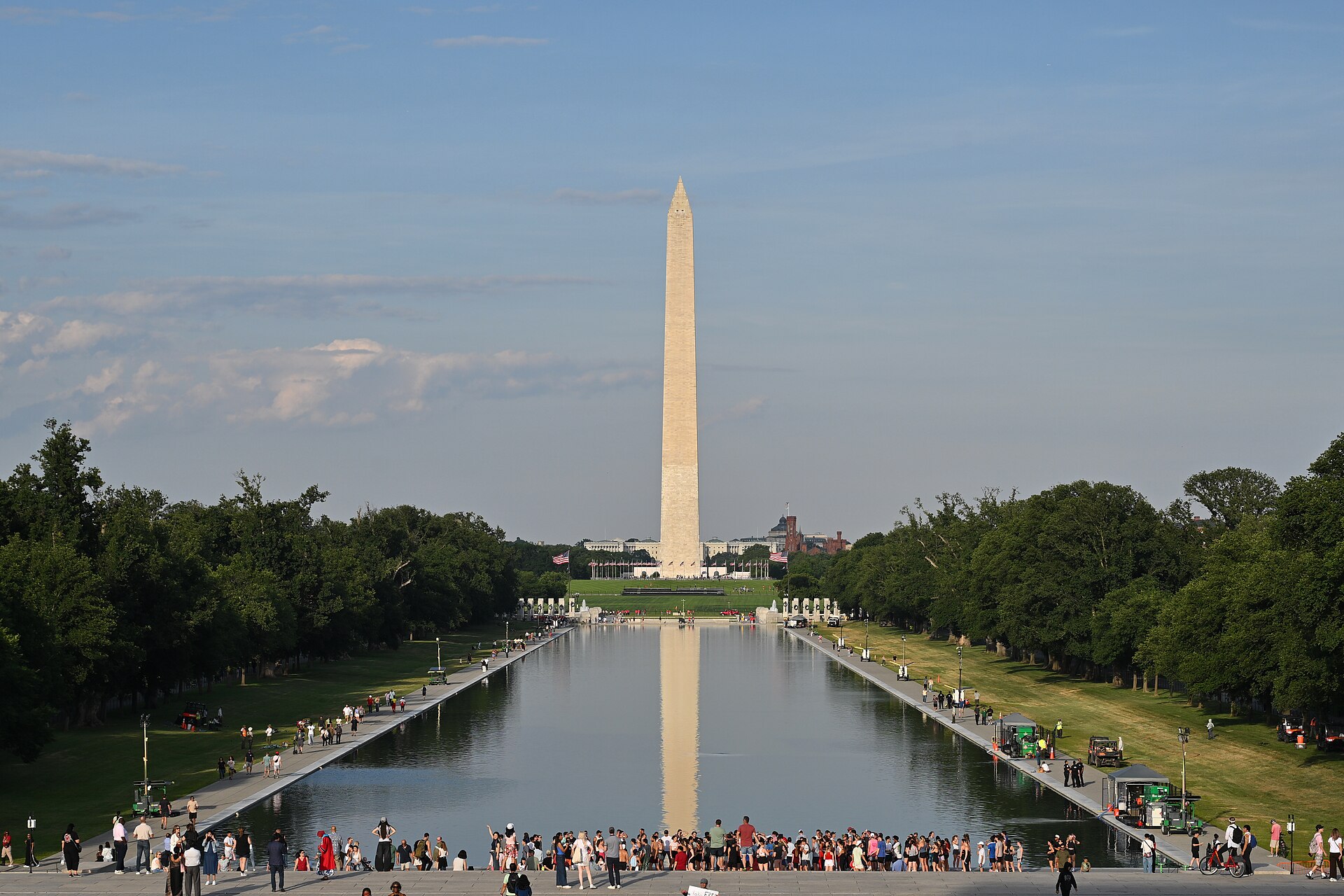
The dispute is not only about damage at one of Washington’s most recognizable landmarks. It raises questions about how federal agencies shared evidence before a grand jury indictment was obtained.
The Trump administration was accused of destroying evidence related to the Reflecting Pool after federal prosecutors dropped a case over damage at the Lincoln Memorial Reflecting Pool in Washington, D.C. According to a Justice Department filing reported by NBC News, the case against former Olympic canoeist David “Davey” Hearn was dropped after Interior Department information undermined the July 2, 2026 indictment.
The accusation does not establish that records were physically destroyed. Rather, the Justice Department filing said the Department of the Interior had not been forthcoming with documents it possessed, including information that June 2026 damage may have resulted from a contractor’s flawed installation rather than vandalism.
The documents that changed the case
According to the Justice Department filing reported by NBC News, federal prosecutors received additional Interior Department documents after the indictment was returned. Those records indicated that widespread damage to the Reflecting Pool’s lining was tied to a flawed installation by Atlantic Industrial Coatings, the contractor involved in the project.
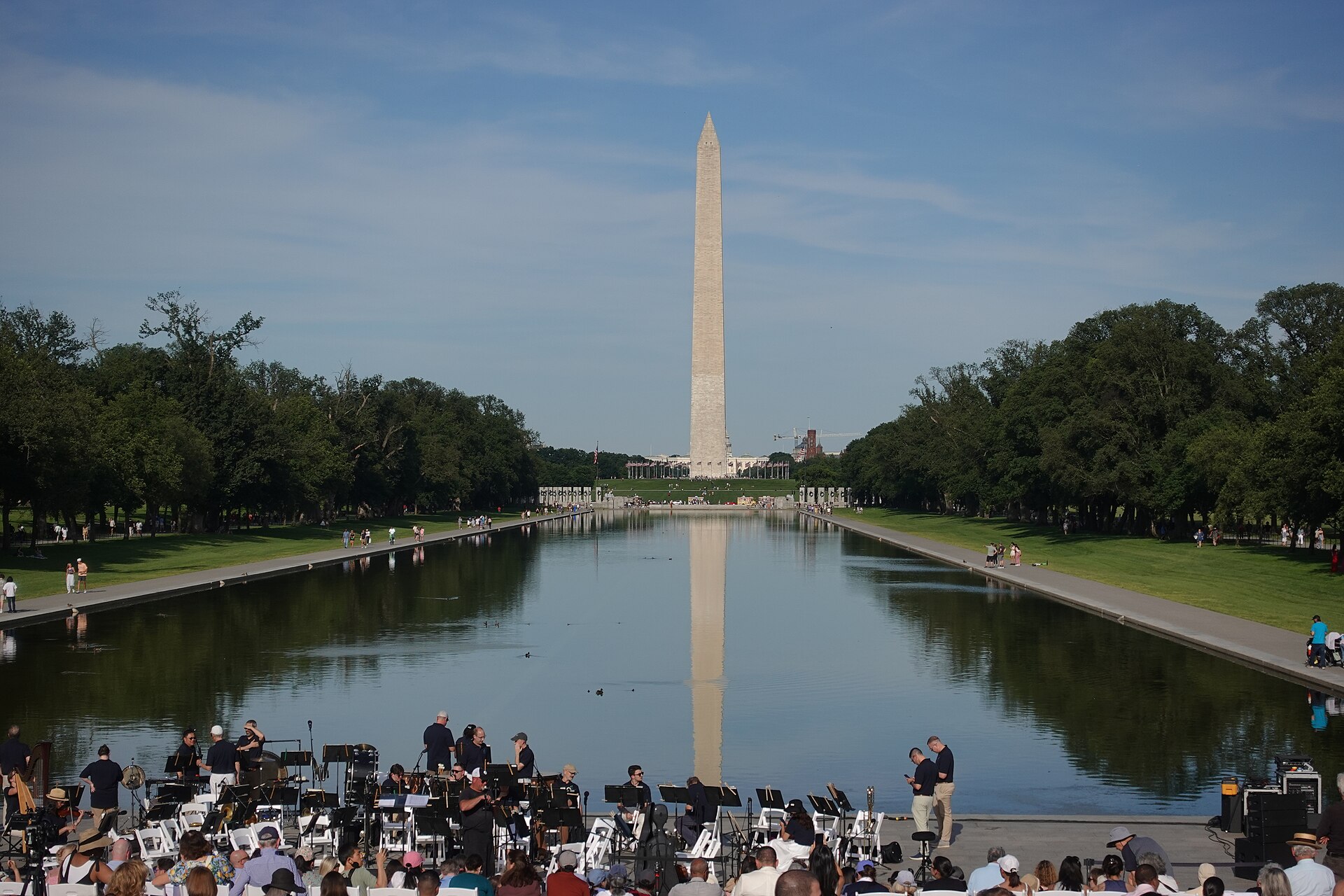
That conclusion collided with the theory prosecutors had presented to the grand jury: that Hearn and other vandals had damaged the pool. The Justice Department said it became aware of evidence pointing to a botched installation only after reviewing the later-produced materials.
In its filing, the government said the newly reviewed evidence made it difficult to attribute the widespread damage to vandalism, much less prove that theory beyond a reasonable doubt. That is the burden prosecutors would have faced at trial.
The language also put unusual focus on interagency information-sharing. The filing said that if Interior had been forthcoming with information clearly in its possession, the government would not have sought a grand jury indictment.
Why the evidence dispute matters
Charging someone federally is not simply an administrative step. An indictment can mean an arrest, legal costs, public scrutiny and a lasting reputational hit, even when a case is later dismissed.
Hearn had pleaded not guilty to destruction of property after being accused of causing more than $1,000 in damage. That amount mattered because it was tied to the threshold for the felony case prosecutors pursued.
Hearn’s attorney, Steven Levin, said in a statement that the case should never have been brought and characterized the prosecution as an abuse of government power. The dismissal does not itself resolve every question about the pool’s condition or who may have touched it. It does mean prosecutors no longer believed they could support the indictment with the evidence available.
There is a meaningful distinction between an allegation that evidence was mishandled or withheld and a proven finding of intentional destruction. The public filing describes a failure to provide material information, but the available account does not establish a court finding that any official deliberately destroyed evidence.
Trump still calls it vandalism
President Donald Trump publicly disagreed with the Justice Department’s decision to abandon the case. In Truth Social posts, Trump said vandals caused the major damage to the Reflecting Pool, while allowing there may have been some contractor-related difficulty.
In those posts, Trump pointed to what he described as cuts in the pool material and suggested they could be seen in video. He has repeatedly said vandals made long slits in the liner, offering different descriptions of the tool he believed was used.
The Justice Department’s position was narrower and evidence-based: after reviewing the Interior records, it said it could not reliably attribute the widespread damage to vandalism. A presidential assertion that vandalism occurred does not alter prosecutors’ obligation to prove a charge beyond a reasonable doubt.
A spokesperson for Jeanine Pirro, the U.S. attorney for the District of Columbia, said the filing spoke for itself. Her office also moved to dismiss at least one other misdemeanor case connected to the Reflecting Pool, according to NBC News.
A project already facing setbacks
The criminal case emerged from a broader fight over work at the landmark pool. Trump had announced plans to coat its bottom “American flag blue” ahead of the nation’s 250th birthday.
The project reportedly encountered setbacks, with costs rising beyond initial estimates. After the pool was refilled, the coating began coming up and algae spread through the water, adding to questions about the work and the condition of the installation.
That context is central to the prosecution’s collapse. If the pool lining was already compromised by an installation problem, determining whether a particular visitor caused legally chargeable damage becomes far more difficult.
It also illustrates why records from the agency overseeing a site can be crucial in a criminal inquiry. Technical reports, contractor communications and maintenance documentation can establish whether visible damage had another explanation before an accusation of vandalism is made.
What remains unresolved now
The dismissal ends the federal case against Hearn, but it leaves several open questions. It is unclear from the available filings when Interior Department officials obtained the relevant information, who knew about it before the indictment, and why it was not provided to prosecutors earlier.
It is also unclear whether any internal review will examine how the documents moved between Interior and the U.S. attorney’s office. The government filing is a sharp acknowledgment that the evidence presented at the outset was incomplete, not a final public account of every agency decision.
For Hearn, the immediate result is straightforward: the indictment has been dropped. For the Trump administration, the more lasting issue is whether federal agencies can explain how a case alleging vandalism at a prominent national monument moved forward without records that prosecutors later said would have changed their decision.
The Reflecting Pool dispute has become bigger than a damaged liner. It is now a test of how quickly the government corrects course when its own evidence weakens a case.









Leave a Reply