
The clemency grants were more than a holiday-weekend legal move. They landed as extreme heat disrupted Independence Day events and the White House pushed a looser approach to vehicle rules.
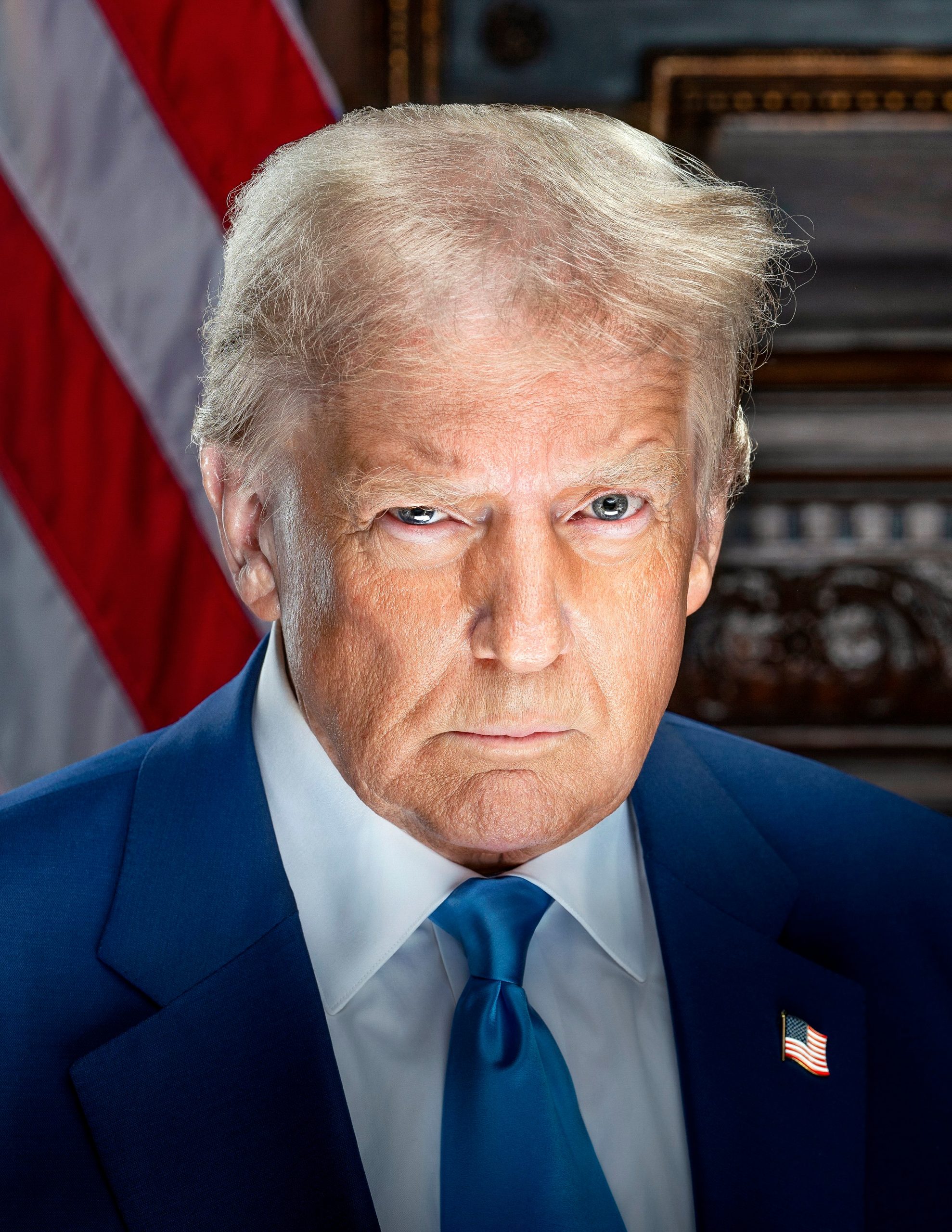
President Donald Trump used the eve of Fourth of July celebrations to grant clemency to 11 men, a move that quickly became about more than the individual cases.
Nine of the pardons involved people accused of violating the federal Clean Air Act by disabling or modifying truck emissions controls, according to reporting by The Guardian. The timing put Trump’s pardon power directly inside a larger fight over climate rules, vehicle regulation and the politics of federal enforcement.
The list carried a message
The pardons included two men with fraud convictions and nine people tied to Clean Air Act cases, The Guardian reported. That mix made the announcement both a clemency action and a political signal.
Presidential pardons are among the broadest powers available to a president. They can forgive federal crimes, erase punishment and, in some cases, short-circuit pending federal prosecutions. They do not apply to state offenses or civil liability, but for federal defendants they can be decisive.
Trump framed at least some of the Clean Air Act cases as unfair punishment for vehicle work. On Truth Social, he said people were in prison or being sent there for “fixing their car,” adding that he was setting them free, according to The Guardian.
That phrasing matters. It recasts emissions enforcement not as pollution control, but as a fight over personal freedom, mechanical tinkering and government overreach.
Why the emissions cases stand out
The Clean Air Act is one of the central federal laws used to limit harmful air pollution. In the vehicle world, enforcement can involve devices or software that defeat emissions systems, including on diesel trucks.
Environmental regulators have long treated tampering with emissions controls as more than a paperwork violation. Disabled systems can increase pollution from vehicles, including pollutants linked to respiratory problems and broader climate impacts.
Trump’s decision came within days of a memo to the Environmental Protection Agency asserting that Americans should be able to repair or modify their vehicles as they choose, The Guardian reported. The White House has also moved against several climate and emissions policies, including federal tailpipe standards.
For supporters, the pardons will likely read as a correction to aggressive enforcement. For critics, they look like a warning shot against regulators and a reward for conduct that undermines pollution rules.
Two fraud cases add another layer
The other two pardons went to men with fraud histories, including Adam Kidan and Jack Harvard, according to The Guardian.
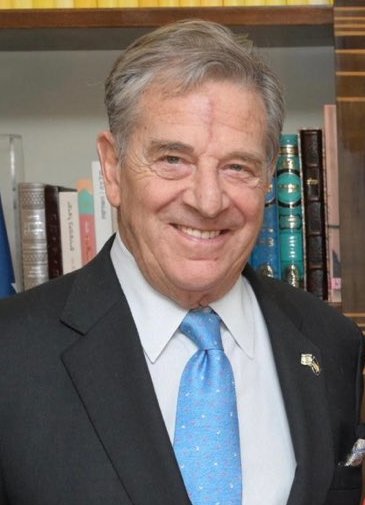
Kidan, president of a light industrial staffing company, had been sentenced in 2006 to nearly six years in prison in connection with the purchase of gambling boats. He was also a former business partner of Washington lobbyist Jack Abramoff, whose name became linked to a major early-2000s lobbying scandal.
The Guardian cited Newsday reporting that Kidan helped host a fundraiser at Trump’s Mar-a-Lago club in Florida for a Republican congressional candidate from Long Island. That detail adds political texture, even though a pardon does not require the White House to explain its full reasoning.
Harvard, The Guardian reported, had been convicted of bank fraud charges in the 1980s. Trump cited his post-conviction record and his decision to allow U.S. and NATO troops to train on his ranch without charge.
The heat backdrop was unavoidable
The pardons landed during Independence Day celebrations marking the country’s 250th anniversary, with extreme heat affecting some events. The Guardian reported that a planned Washington, D.C., parade tied to Trump’s Freedom 250 initiative was abruptly canceled after an extreme heat warning from the National Weather Service.
The same report said the Great American State Fair on the National Mall temporarily closed after more than 40 visitors were treated for heat-related illness. The heat also delayed the fair’s opening the following day.
That backdrop sharpened the contrast. While the administration was using clemency in cases tied to emissions enforcement, heat was disrupting the very holiday festivities meant to project national celebration.
Researchers with World Weather Attribution said the blistering heat gripping much of the U.S. during the anniversary celebrations would have been virtually impossible without the ongoing climate crisis, according to The Guardian. Scientists have found that greenhouse gas emissions are the main driver of that crisis.
Pardons can shape policy
A pardon does not rewrite a statute. It does not repeal the Clean Air Act or formally change EPA rules. But presidential clemency can still shape policy by signaling which prosecutions a president views as unjust, excessive or politically unacceptable.
That is especially true when pardons cluster around a theme. Nine Clean Air Act-related grants in one batch are not likely to be read as isolated acts of mercy.
They fit a broader pattern in Trump’s second presidency, as described by The Guardian, of clemency grants aimed at people he sees as politically or culturally aligned with him. In this case, the alignment appears to run through hostility to emissions enforcement and skepticism of federal environmental regulation.
The decision may also have practical effects beyond the 11 recipients. Prosecutors, regulators, industry groups and activists will all read the clemency list as a clue to how the administration wants environmental enforcement handled.
The unanswered questions now
The immediate legal effect is clear for the recipients: Trump has used his constitutional power to forgive federal offenses. The broader consequences are harder to measure.
One open question is how the EPA and Justice Department will treat future emissions-tampering cases. If the administration’s message is that certain vehicle modification prosecutions went too far, enforcement priorities could shift even without Congress changing the law.
Another question is political. The Fourth of July is usually an easy stage for patriotism, pageantry and presidential symbolism. This year, the pardon list added a sharper edge: liberty framed against regulation, and celebration set against climate-driven heat.
The result is a clemency story that doubles as a policy marker. Trump did not just pardon 11 men before the fireworks. He put the power of the presidency behind a fight over who gets to police the exhaust coming out of America’s vehicles.



Leave a Reply