
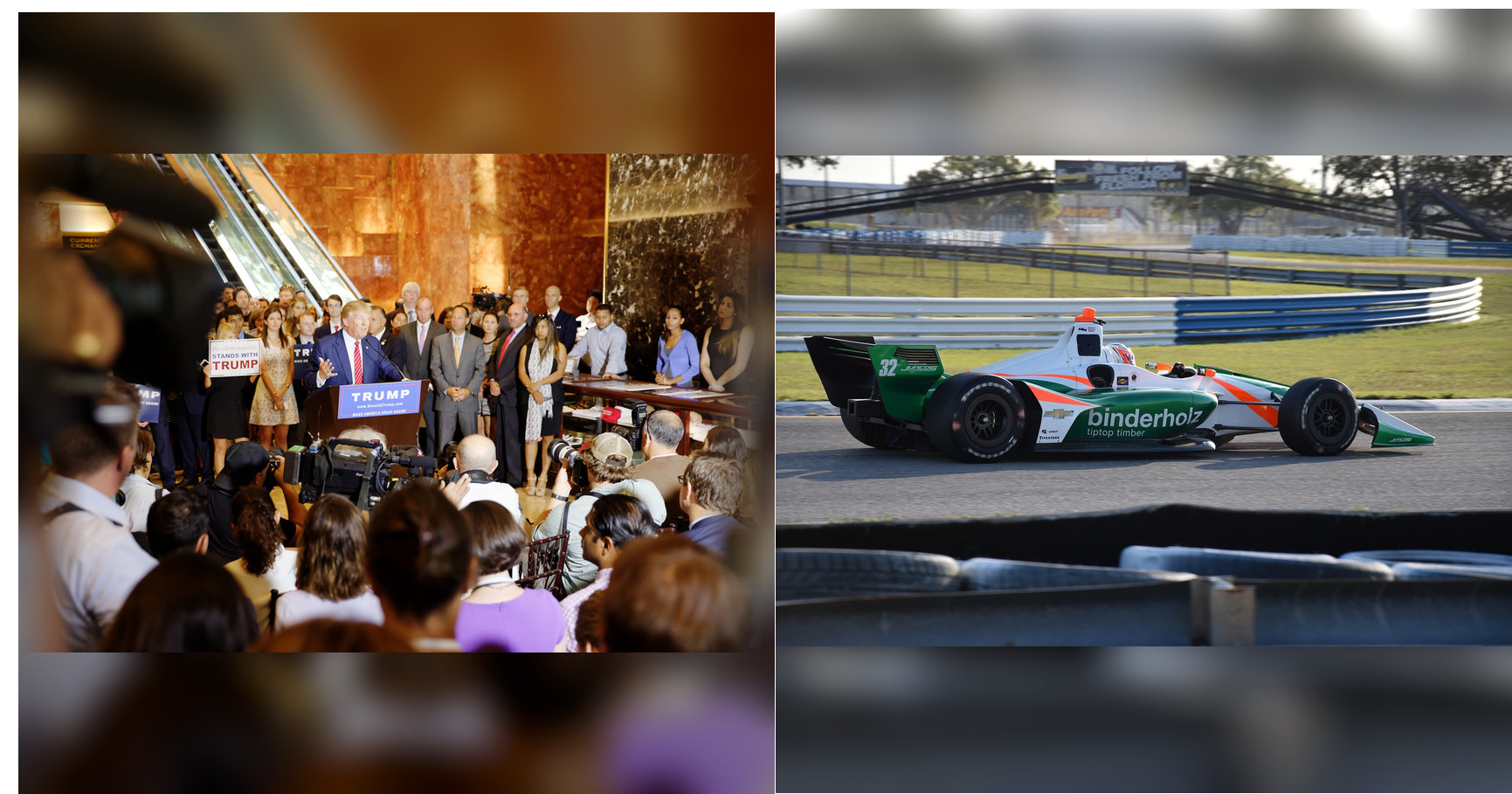
The proposed race near the National Mall is meant to be part of the country’s 250th-anniversary celebration. Its rollout has also become a flashpoint over federal priorities, public space and the practical challenge of staging a major race in the capital.
Donald Trump’s first Grand Prix event in Washington, D.C., drew immediate ridicule after the White House launched the Freedom 250 Grand Prix of Washington, D.C., described as the first-ever INDYCAR street race in the nation’s capital. Critics mocked the event and its proponents, with one reaction captured in coverage calling them “clowns” who “need attention.”
The sharper issue behind the jokes is practical. Trump’s January executive order calls for a race near the National Mall as part of America’s 250th birthday celebrations, but the route, public costs, permits and effect on a heavily used federal district have yet to be publicly settled.
A race built for the 250th
The White House says the Freedom 250 Grand Prix is intended to celebrate the United States’ semiquincentennial in 2026. Its fact sheet presents the event as a showcase for American motor racing, engineering and national landmarks.
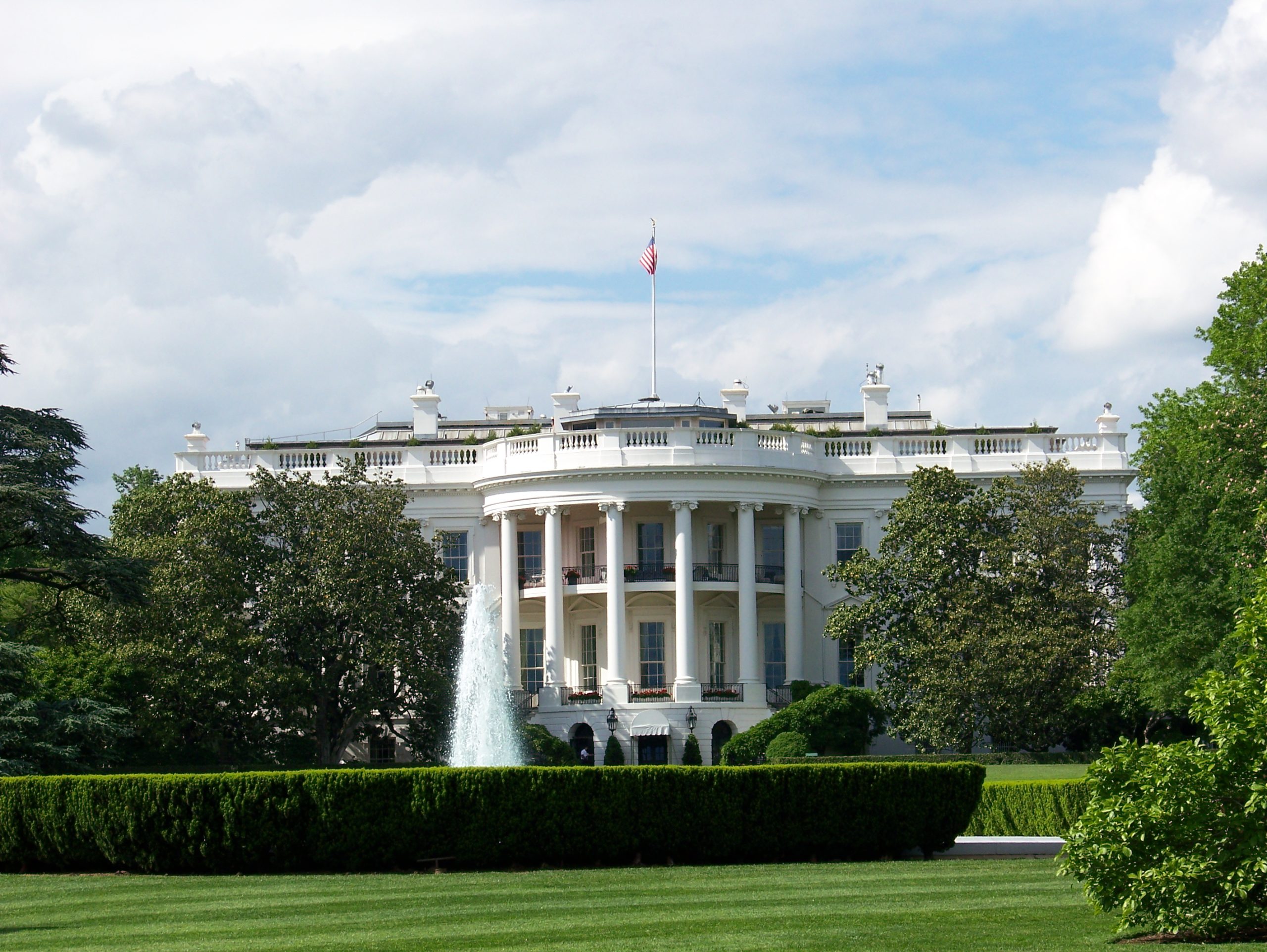
According to the administration, the race would be held near the National Mall, placing a high-speed sporting event in one of the country’s most symbolically important and tightly managed public spaces. The White House has called it the first motor race held in the capital near the Mall.
That framing explains why the proposal has attracted attention well beyond typical motorsports fans. It joins a broader White House calendar built around the 250th anniversary, including plans cited by the administration for a state fair, Patriot Games, a UFC event at the White House and an Independence Arch.
What Trump’s order actually directs
The executive order does not announce a finished circuit or a race-day timetable. Instead, it directs the Departments of the Interior and Transportation to identify a suitable route and move necessary permits, approvals and authorizations forward quickly.
The order also calls for coordination with Washington’s mayor on the condition and use of roads, trails and bridges that could be part of the course. The Transportation Department is authorized to use available funds to help facilitate the event.
It further directs coordination with the Federal Aviation Administration on unmanned aircraft systems and aerial photography, while stating that nearby government facilities should not be compromised. Those directives show how much of the event remains in the planning stage.
- No public course map was included in the White House fact sheet.
- No public budget figure was provided in the materials reviewed.
- No firm race date was specified in the fact sheet.
- The order anticipates approvals and coordination rather than treating them as complete.
Why the mockery arrived quickly
Coverage of the announcement focused on immediate criticism, including the “clowns need attention” line. That response reflects a familiar divide around Trump-era spectacle: supporters may view high-profile events as a patriotic draw, while opponents see them as unnecessary pageantry or a distraction from government business.
There is also an obvious visual contrast. A street race near monuments, museums, federal offices and major pedestrian corridors is a far different proposition from racing at a permanent track. For detractors, that makes the plan easy to portray as extravagant before organizers have answered basic operational questions.
Mockery is not the same as a verdict on whether the race can happen or succeed. Large public events often face criticism at announcement, especially in Washington. But the early reaction underscores the political burden on the administration to show that the project has a workable public purpose as well as promotional value.
The logistics could define the debate
Street racing requires more than a route. Organizers would need to address temporary barriers, pavement conditions, emergency access, security perimeters, transit changes, noise, spectator management and disruption for residents, workers and tourists.
Near the National Mall, those concerns carry unusual weight because federal agencies, the District government and the National Park Service all have responsibilities in the area. The White House’s instruction to work with the mayor and federal departments acknowledges that the event cannot be produced by presidential announcement alone.
There is a potential upside that supporters can point to: a televised race could bring visitors and give INDYCAR a striking new venue tied to the 250th anniversary. The administration argues that the event would spotlight American innovation and the country’s racing heritage.
Critics, however, are likely to press for specifics on financing, disruptions and whether public resources should be committed to a one-off event. Without a route and budget, those arguments cannot yet be fully evaluated.
A political event with sporting stakes
The Freedom 250 is unusual because it sits at the intersection of national commemoration, sports promotion and presidential branding. Trump’s administration is presenting it as a celebration of American achievement, not simply an addition to a racing schedule.
That gives the race a larger audience, but it also ensures that every decision around it will be read politically. The name, location and connection to the anniversary make it difficult to separate the sporting proposition from the administration that launched it.
For INDYCAR, a race in Washington could be a valuable national showcase if it reaches the starting line. It could also bring reputational and operational risk if planning becomes consumed by controversy or if public agencies struggle to reconcile the race with routine use of the Mall area.
Questions still awaiting answers
The White House has made its ambitions clear: an INDYCAR street race near the National Mall, staged in honor of the nation’s 250th birthday. What remains unclear is the blueprint that would turn that ambition into an event.
Key next steps include the proposed route, agreements with local and federal authorities, the source and scale of funding, impacts on access and traffic, and the race’s place on an eventual INDYCAR calendar. Those details will matter more than the early social-media ridicule.
For now, the Freedom 250 Grand Prix is both a concrete White House initiative and an unfinished plan. The immediate mockery shows the cultural and political resistance it faces; the coming planning decisions will show whether it can become the landmark sporting event Trump is promising.


Leave a Reply