
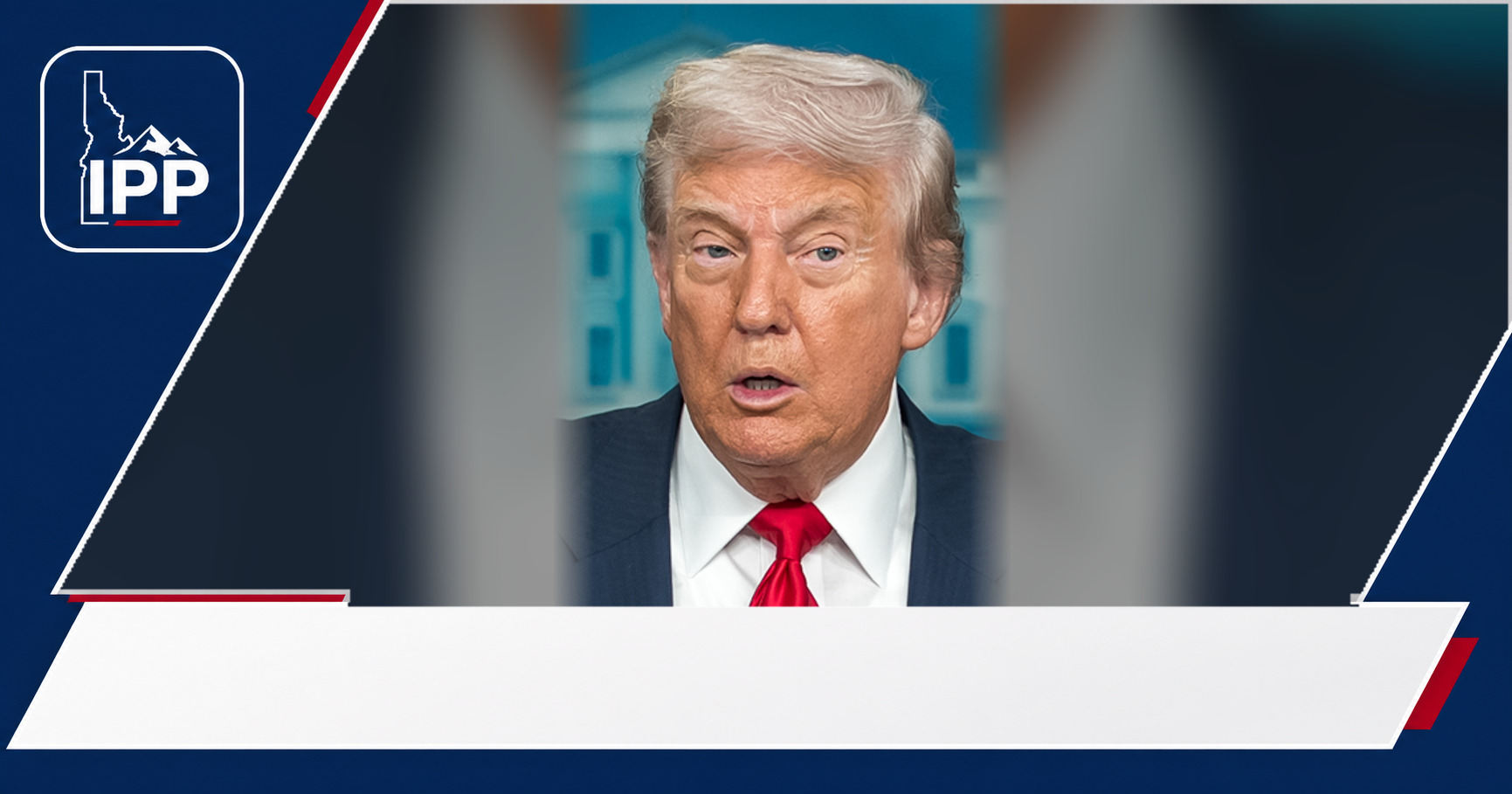
The numbers are not a single bad poll. A cluster of late-July surveys points to a tougher public-opinion climate as Trump tries to hold political leverage.
Donald Trump’s poll numbers have worsened again: as of July 31, 2026, recent poll data showed Trump’s approval rating is falling, with CNN’s tracker listing a Reuters/Ipsos survey conducted July 24-26, 2026 at 37% approval, and The New York Times average on August 1, 2026 showing 37% approve and 60% disapprove. Other recent high-quality polls ranged from 30% to 40%, while some polling summaries put him near 36%.
That matters now because a sustained slide would weaken Trump’s political standing at the exact moment he needs public support to pressure Congress, defend controversial decisions and keep Republican candidates aligned with him.
The warning is in the cluster
One bad survey can be noise. A tight cluster of weak numbers is harder to dismiss.

The late-July polling picture shows Trump stuck in the 30s in several major surveys and facing majority disapproval in the national polling average. The New York Times polling average listed him at 37% approval and 60% disapproval on August 1. Its table of recent surveys included Quinnipiac at 32% approval, AP-NORC at 33%, CNN/SSRS at 34%, YouGov/Economist at 34%, Navigator Research at 37%, Reuters/Ipsos at 37% and CBS News/YouGov at 39%.
There were higher readings, too. RMG Research showed Trump at 43% approval in a poll conducted July 27 to 29. Big Data Poll put him at 39% in the same window. That spread is why averages matter: they reduce the temptation to overread whichever poll looks best or worst for a political side.
Still, the broad shape is unfavorable. When multiple pollsters using different methods land on the same general story, the signal is not that every number is identical. It is that the president’s support is low, his opposition is high and the room for easy recovery looks limited.
Approval is not collapsing, but it is boxed in
The most useful way to read Trump’s current numbers is not as a sudden free fall. It is as a ceiling problem.
Trump has long had an unusually loyal floor of support. That is still visible. Even surveys showing him in the low-to-mid 30s do not show his backing vanishing altogether. The Republican base remains a stabilizing force, and national approval polls do not measure intensity as well as they measure broad sentiment.
But a strong floor can coexist with a hard ceiling. If a president is sitting around 37% approval while about 60% disapprove, persuadable voters are not merely uncertain. Many have already moved into opposition, at least for now.
That is the danger for Trump. His political style has often relied on making opponents seem more unacceptable than he is. Low approval does not automatically defeat that strategy, but it reduces the margin for error. It leaves less space for policy setbacks, foreign-policy controversies or economic frustration before the numbers get worse.
The comparisons are uncomfortable
The Times polling tracker also put Trump’s second-term standing in context against recent presidents. Its comparison showed Trump at a net 22 points underwater around day 559 of the term, meaning disapproval exceeded approval by 22 points.
That was worse than Joe Biden’s first-term standing at the comparable point, where the Times tracker showed Biden at net 18 points underwater. It was also much weaker than Trump’s first term at the same stage, when he was listed at net 11 points underwater.
The contrast with earlier presidents is even sharper. Barack Obama was only slightly underwater by that comparison, and George W. Bush was still heavily positive at that stage of his first term. Historical comparisons are imperfect because each presidency faces different events, but they help frame the scale of the problem.
For Trump, the key issue is not whether his supporters still support him. Many do. The problem is that national approval suggests he is governing with a smaller cushion than presidents usually want when they are trying to spend political capital.
Foreign policy may be adding drag
The recent polling data sits alongside signs of public unease over military action involving Iran. The Times summary cited a Quinnipiac University poll in which 60% of voters said they opposed military action against Iran, a slight increase since May.
It also cited a CNN/SSRS poll finding that 74% of Americans, including about 43% of Republicans, said the war in Iran had not been worth the cost in financial burden or American casualties.
Those numbers matter because foreign-policy fights can scramble partisan assumptions. Republican voters often give Trump more latitude than the broader public, but skepticism among a meaningful share of Republicans creates a different kind of risk. It can weaken the sense that his coalition is unified behind every major decision.
That does not mean Iran is the only reason for the approval slide. Presidential approval usually reflects a mix of issues: prices, jobs, immigration, legal fights, foreign affairs, tone and fatigue. Polling can show the direction of sentiment more easily than it can isolate one cause.
Why Republicans will watch the trend
For Republican officials and candidates, Trump’s approval rating is more than a personal popularity measure. It is a gauge of how costly it may be to embrace him closely, especially in competitive districts and states.
A president at 45% approval can be an asset in many places. A president closer to the mid-30s forces tougher calculations. Candidates still need Trump’s base, but they also need voters who are not loyal to either party. If disapproval is near 60% nationally, Democrats will try to turn every race into a referendum on Trump.
That does not guarantee Democratic gains. Approval ratings are not election forecasts. Turnout, candidate quality, local issues and the economy can all change the picture. Republicans may also argue that national polls understate Trump’s durability or fail to capture dissatisfaction with Democrats.
But elected officials read trends, not just top-line numbers. If the president’s approval stays weak across August and beyond, Republicans will have to decide whether to defend his agenda more aggressively, create distance on selected issues or hope the numbers rebound before they harden into the political environment.
Polls show risk, not destiny
There are important caveats. Polls come with margins of error, different question wording and different samples. A survey of adults is not the same as a survey of registered voters or likely voters. Some polls lean more favorable to Trump, and some lean less favorable.
That is why the most responsible reading is not that one precise number defines his presidency. The better reading is that multiple reputable pollsters are pointing in the same unfavorable direction.
Trump has recovered politically from weak numbers before. He has also benefited from polarization, media attention and opponents who fail to consolidate public trust. A low approval rating can be survivable if the opposition is also unpopular or if voters separate their frustrations from their ballot choices.
For now, though, the late-July polling sends a clear message: Trump’s support is not just softening in one survey. It is being boxed into the 30s across a range of data, while disapproval sits near 60%. That is a difficult place from which to govern, negotiate and campaign, even for a politician who has made a career out of defying conventional polling expectations.










Leave a Reply