

The latest dispute is not a new verdict. It is another fight over money, procedure and control after years of litigation between Trump and Carroll.
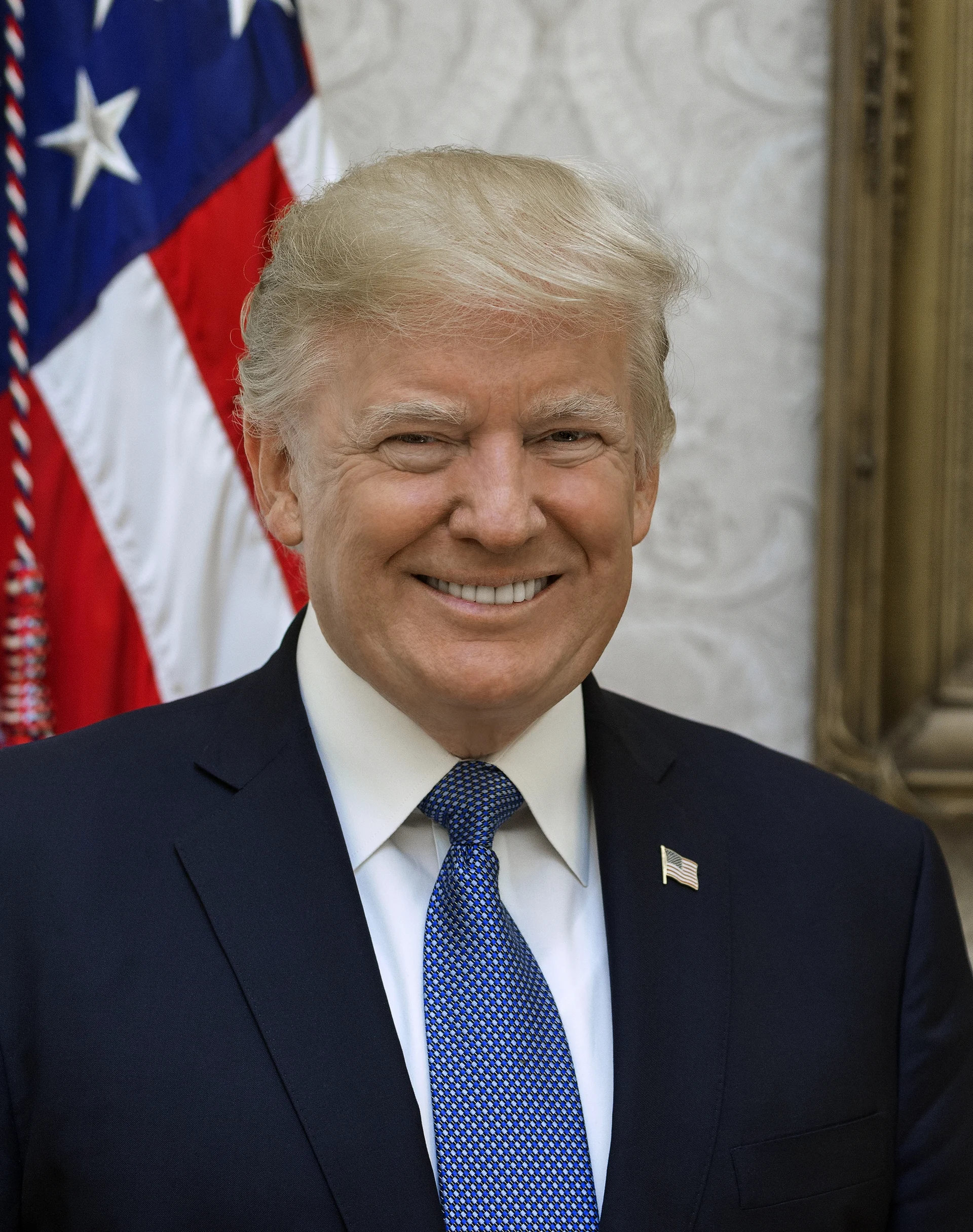
Donald Trump claims E. Jean Carroll used a "bait-and-switch" with the $5.6 million payment in the payment dispute tied to the Carroll civil case, according to a TMZ report published July 28. The allegation centers on how money connected to Carroll’s civil judgment was handled, not on a new jury finding.
That distinction matters because Trump and Carroll remain locked in the aftermath of two high-profile civil verdicts: one involving sexual abuse and defamation findings, and another involving a much larger defamation award. The newest fight is about payment mechanics, legal leverage and whether Trump can cast the process as unfair.
The claim now on the table
Trump’s latest position, as described in the TMZ report, is that Carroll pulled a "bait-and-switch" in connection with a $5.6 million payment tied to the civil litigation between them. The phrase is a loaded one: it suggests one thing was represented up front and something different happened later.
What is not clear from the available public reporting is whether a court has accepted that characterization, whether Carroll’s side has formally responded to this specific accusation, or what remedy Trump is seeking from the payment dispute. For now, it should be treated as Trump’s allegation, not an established finding.
The money at issue appears tied to the smaller of the two Carroll judgments, the case in which a jury found Trump liable for sexually abusing Carroll and defaming her. That verdict was separate from the later, far larger defamation verdict reported by The New York Times in January 2024.
Why $5.6 million matters
The number is important because Carroll’s litigation against Trump produced two different civil outcomes. In the first case, a jury awarded Carroll $5 million after finding Trump liable for sexual abuse and defamation. Payment-related amounts can exceed the exact verdict figure because of interest, court requirements, bonds or other post-judgment mechanics.
That is why a $5.6 million figure can become its own battlefield. In high-dollar civil cases, the fight after a verdict is often not just about whether someone lost. It is about when money changes hands, where it is held, whether appeals delay collection and what conditions apply while the case moves through higher courts.
Trump has consistently denied Carroll’s accusations and has challenged the results against him. Carroll has maintained that the verdicts vindicated her claims and showed that Trump’s attacks damaged her. Those competing narratives now extend to the money itself.
The larger Carroll backdrop
The broader legal history is already well known. Carroll, a writer, accused Trump of sexually assaulting her in a Bergdorf Goodman dressing room in Manhattan in the mid-1990s. Trump denied the allegation and repeatedly attacked her publicly.
A civil jury later found Trump liable for sexually abusing Carroll and defaming her, awarding her $5 million. A separate defamation trial followed over Trump’s 2019 statements after Carroll first publicly accused him.
In January 2024, The New York Times reported that a Manhattan jury ordered Trump to pay Carroll $83.3 million in that second defamation case. The jury awarded $65 million in punitive damages and $18.3 million in compensatory damages, according to the Times, after Carroll’s lawyers argued that a large award was necessary to stop Trump from continuing to attack her.
Trump called that verdict "absolutely ridiculous" in a Truth Social post, according to the Times, and said he would appeal. Carroll’s lead lawyer, Roberta Kaplan, said the verdict showed that the law applies to everyone, including former presidents.
Two stories inside one fight
There are really two stories here. One is the underlying litigation, where juries reached findings against Trump and awarded Carroll money. The other is the post-verdict fight, where Trump is trying to challenge how the financial consequences are handled.
That second story can sound technical, but it has real stakes. If a judgment is stayed during appeal, secured by a bond or deposited in a court-controlled account, the winner may have to wait before receiving funds. If the losing party believes the winner changed the terms or position around payment, that can trigger another round of motions and public accusations.
Trump’s use of "bait-and-switch" also fits his broader public posture in legal disputes. He has often framed adverse court outcomes as unfair, politically motivated or procedurally flawed. Carroll’s side has framed the verdicts as accountability after years of denials and attacks.
Those views are not just public-relations talking points. They shape how supporters, critics and courts interpret every new filing, payment and appeal.
What remains unanswered
The key unanswered question is the factual basis for Trump’s latest accusation. A phrase like "bait-and-switch" is easy to understand but hard to evaluate without the underlying documents: what was allegedly promised, what changed, who approved the payment structure and whether any court order governed the transaction.
It also remains unclear whether this dispute affects Carroll’s ability to collect money, Trump’s appeal rights or the timing of any final transfer. Civil judgments can remain in limbo for months or years if appeals continue, especially when the defendant has posted security or challenged the judgment’s terms.
Another open question is whether Carroll’s team views the dispute as a serious legal issue or as another attempt by Trump to delay, reframe or relitigate issues already decided by juries. Without a detailed response from Carroll’s side on this specific claim, the public record is incomplete.
- Established: Juries found Trump liable in civil cases brought by Carroll and awarded her damages.
- Reported now: Trump claims Carroll used a "bait-and-switch" involving a $5.6 million payment.
- Still unclear: Whether a court will credit Trump’s argument or treat it as another post-judgment dispute.
The takeaway for readers
The latest development does not erase the jury verdicts against Trump, and it does not create a new finding against Carroll. It is a payment dispute layered on top of a long-running civil case that has already produced major legal and political consequences.
For Trump, the allegation gives him another way to challenge the process and argue that the system is treating him unfairly. For Carroll, the central issue remains enforcement of verdicts that juries awarded after years of public attacks and litigation.
The practical bottom line is simple: the $5.6 million fight is about control of the money after judgment. Until more filings or court rulings clarify the claim, Trump’s "bait-and-switch" accusation is best read as the latest front in a case where the courtroom outcome, the appeals process and the public narrative are still moving at the same time.











Leave a Reply