
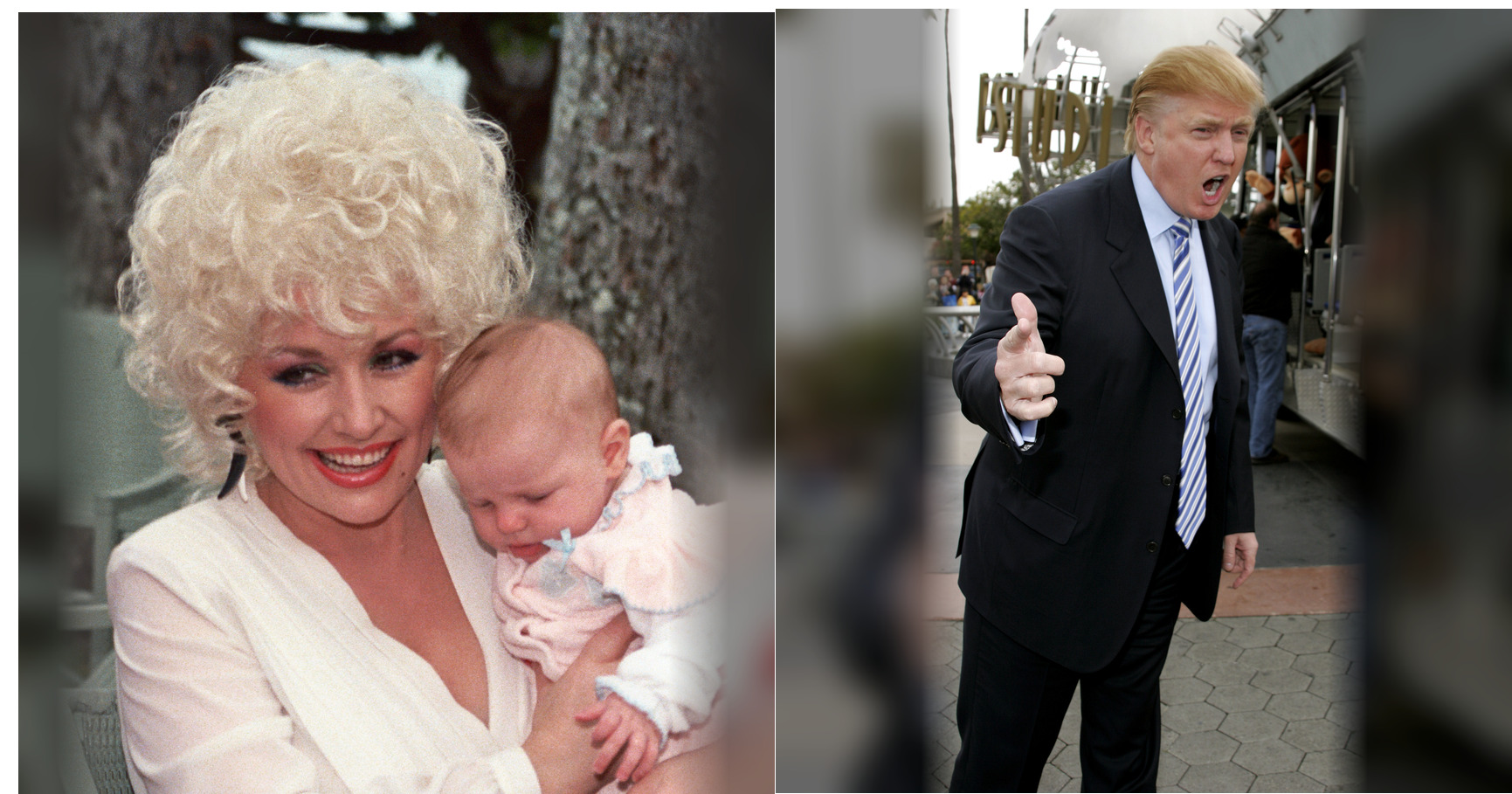
The order places Dolly Parton’s cultural reach in a highly visible national ritual, from government buildings to communities across the country. It also reflects how her music, philanthropy and public image crossed political and generational lines.
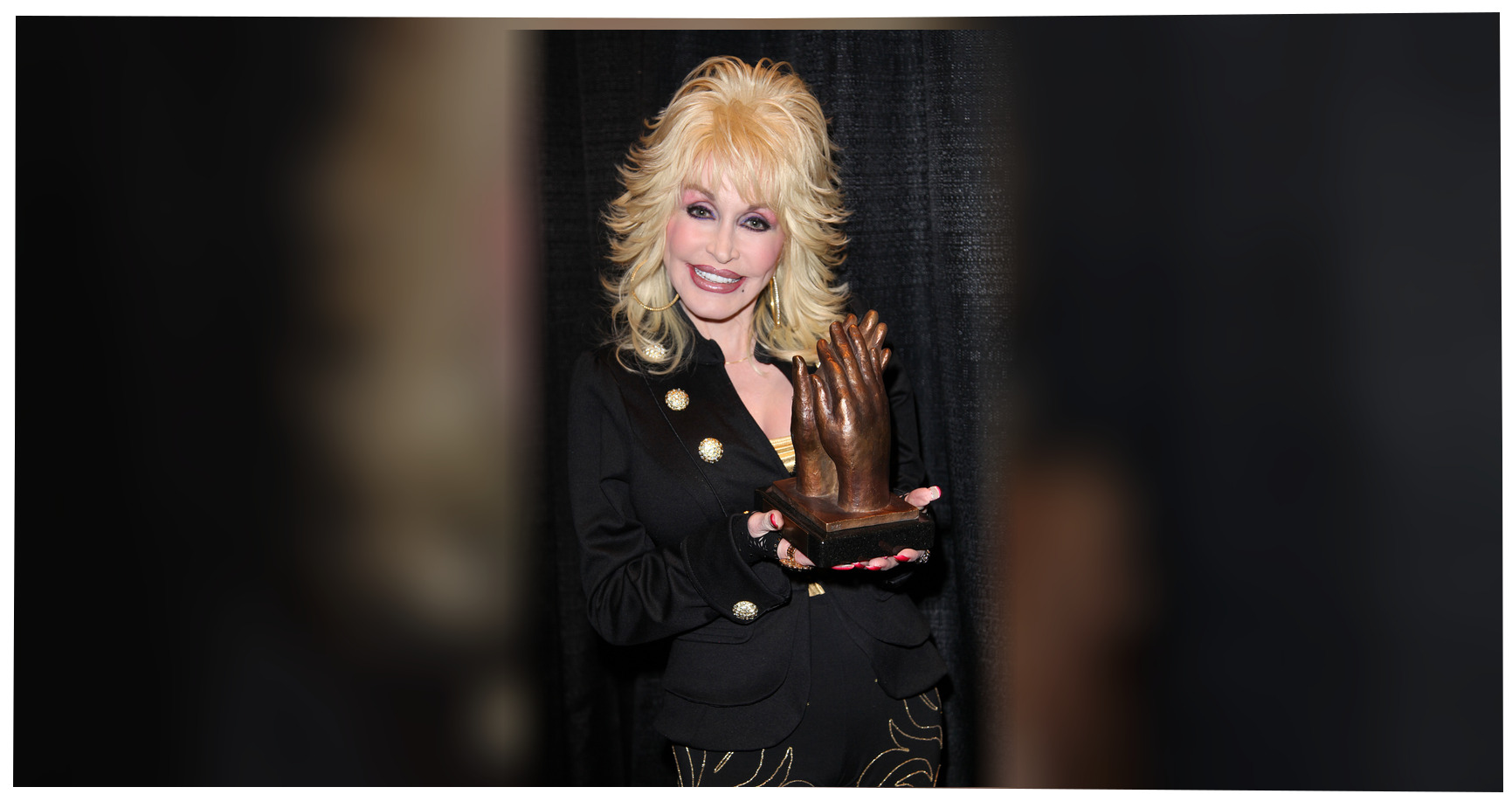
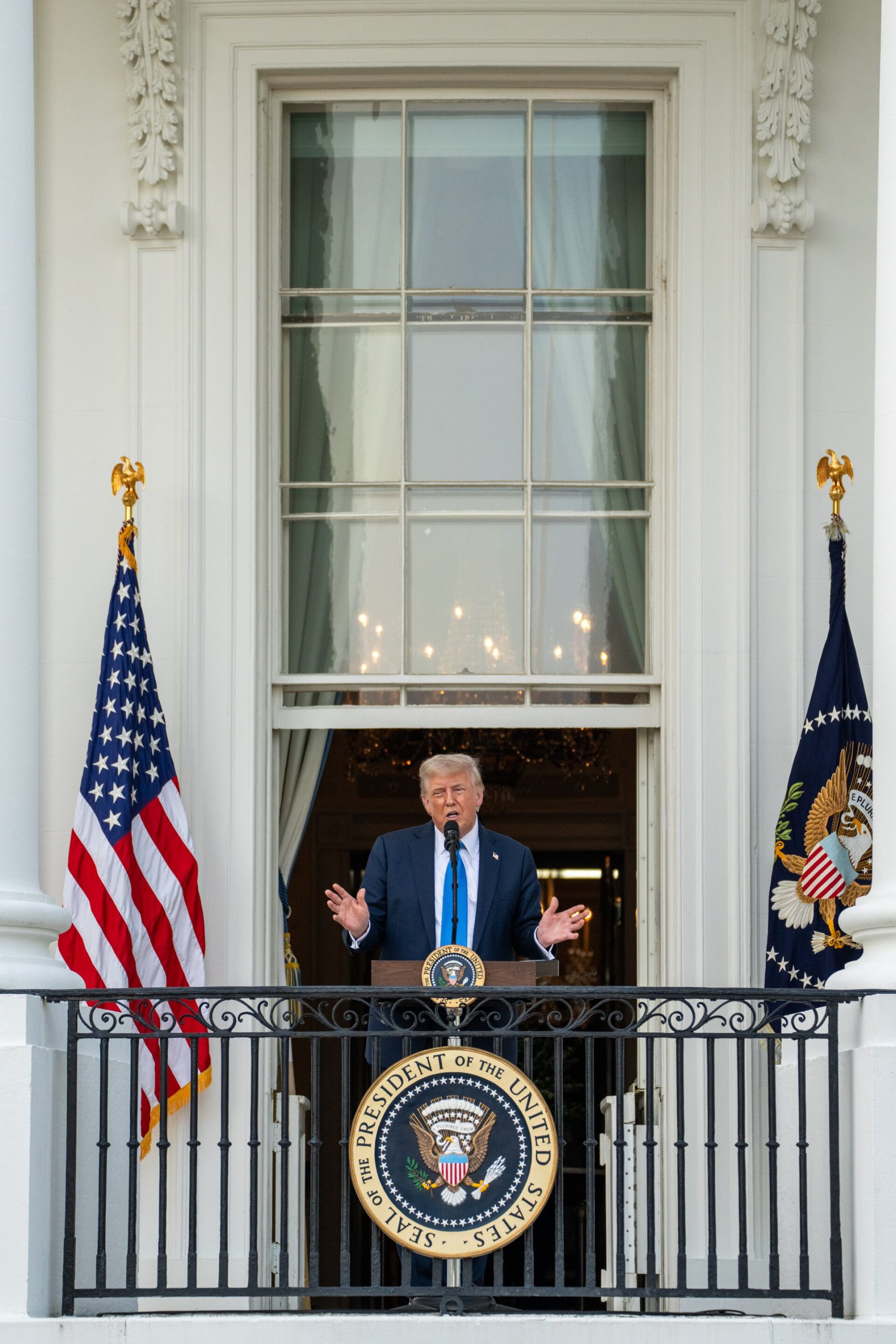
Donald Trump ordered U.S. flags to be lowered at half-staff across the United States in honor of Dolly Parton, who died at age 80 on August 25, 2026. Trump said the flags would remain lowered for one week, beginning at 6 p.m. ET on August 25 and running through September 1, and praised the country music icon by saying there had “never been anyone like her, and never will.”
The national tribute puts Parton’s death into a category usually associated with presidents, military figures and major public leaders. For millions of Americans, though, her legacy reached well beyond the country charts: she was a songwriter, film star, businesswoman and a philanthropist whose children’s literacy work became part of her public identity.
Trump’s weeklong flag order
Trump announced the decision in a Truth Social post after Parton’s death was made public. He described her as one of the greatest country singers and said her death was “a true loss for millions of people.”
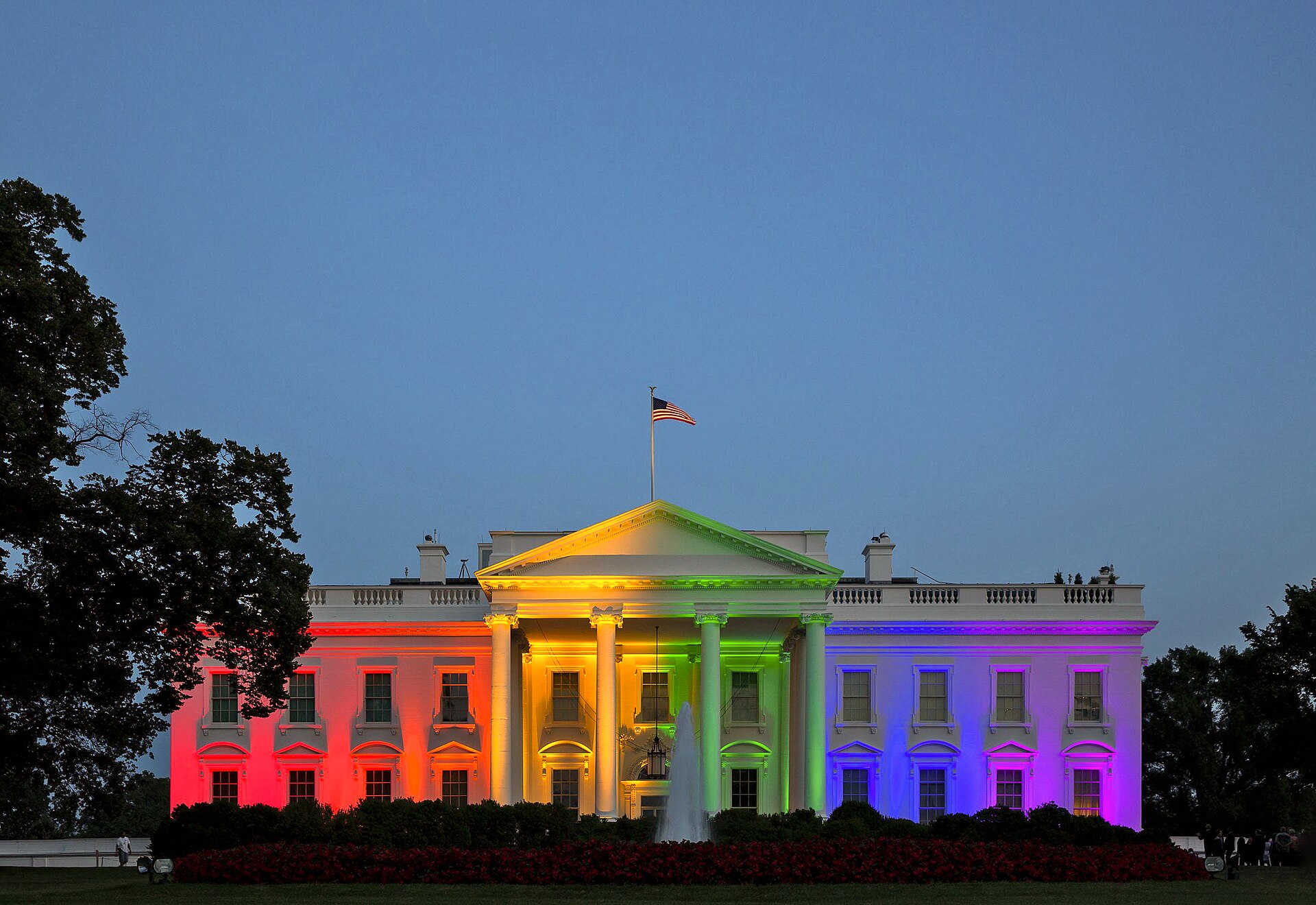
His order called for the American flag to be lowered throughout the United States for one week. The timing matters because it creates a shared, visible marker of mourning, not simply a statement from the White House or an entertainment-world tribute.
The reporting available did not detail the administrative mechanism for the order or identify every site expected to comply. But the stated scope was national, with flags to be flown at half-staff across the country.
A public farewell beyond Nashville
Parton’s death was announced in a video message from her nephew, Bryan Seaver, posted to her social media accounts. No cause of death was provided in the reporting.
She had been a defining figure in country music for decades, but her audience was never limited to country listeners. Songs including Jolene, I Will Always Love You, Coat of Many Colors and 9 to 5 gave her a catalog that moved between intimate storytelling, workplace frustration, heartbreak and resilience.
That range helped make Parton recognizable to people who may not have followed country music closely. Her big voice, rhinestone-heavy stage style and self-aware humor were part of the image, but so was a reputation for protecting a sense of warmth and accessibility even after global fame arrived.
Why Parton became a civic figure
The flag tribute lands differently because Parton was also known for work outside entertainment. Her Imagination Library, the book-gifting program she founded, has distributed more than 300 million books to children around the world over 31 years, according to USA Today.
That effort gave her a practical connection to families far from the recording studio, movie set or Dollywood. It also helped cement an image that was unusually durable in an era when celebrity identities are often shaped by constant political conflict.
Her life story reinforced that connection. Parton grew up in poverty in rural East Tennessee and built a career that took her to Nashville and far beyond. For admirers, that journey made her both an entertainment giant and a figure who spoke to ambition, regional pride and giving back.
The politics behind a tribute
Parton generally maintained a careful public distance from partisan fights, even when her work and her personal values attracted attention from across the political spectrum. That approach allowed fans with sharply different beliefs to see something of their own lives in her music and public persona.
Trump’s tribute has nevertheless drawn mixed reactions. Some people welcomed the gesture as recognition of an artist whose impact was difficult to dispute. Others questioned the sincerity of a political tribute to a performer often celebrated for compassion, inclusion and support for education.
Those competing reactions do not change the scope of the order, but they show why Parton’s death has become more than an entertainment story. A lowered flag can be a symbol of collective respect; it can also become a focal point for arguments over who gets publicly honored and what their legacy represents.
Her legacy was larger than hits
Parton’s career was built on songs, but her influence was sustained by reinvention. She wrote and performed music, acted in films, developed businesses in Tennessee and built a philanthropic program with a measurable reach.
She also remained tied to the traditions that made her famous. Her work carried Appalachian and country influences into mainstream pop culture without treating those roots as a limitation. That balance helped her become a rare artist who could be seen as both deeply regional and broadly American.
Health concerns had surfaced in 2025, when Parton postponed a concert tour because of what she described as health challenges. Her sister Frieda Parton later publicly asked fans to pray for her. Still, the announcement of her death at 80 prompted an immediate wave of tributes because her presence had seemed so constant for so long.
What the lowered flags signify now
The one-week period is a finite official gesture, but it arrives as fans revisit a body of work that spans generations. From radio staples to book deliveries, Parton’s impact was experienced in homes, schools, theaters and communities rather than in just one corner of American culture.
Trump’s statement framed her death as a loss for millions, and the national flag order gives that sentiment a public form. Whether people view the tribute as fitting, overdue or politically complicated, the basic fact remains clear: Dolly Parton occupied a singular place in American life.
Flags are expected to remain at half-staff through September 1 under Trump’s stated one-week timetable. Details about memorial plans and additional official tributes were not included in the reporting available at the time of the announcement.




Leave a Reply