
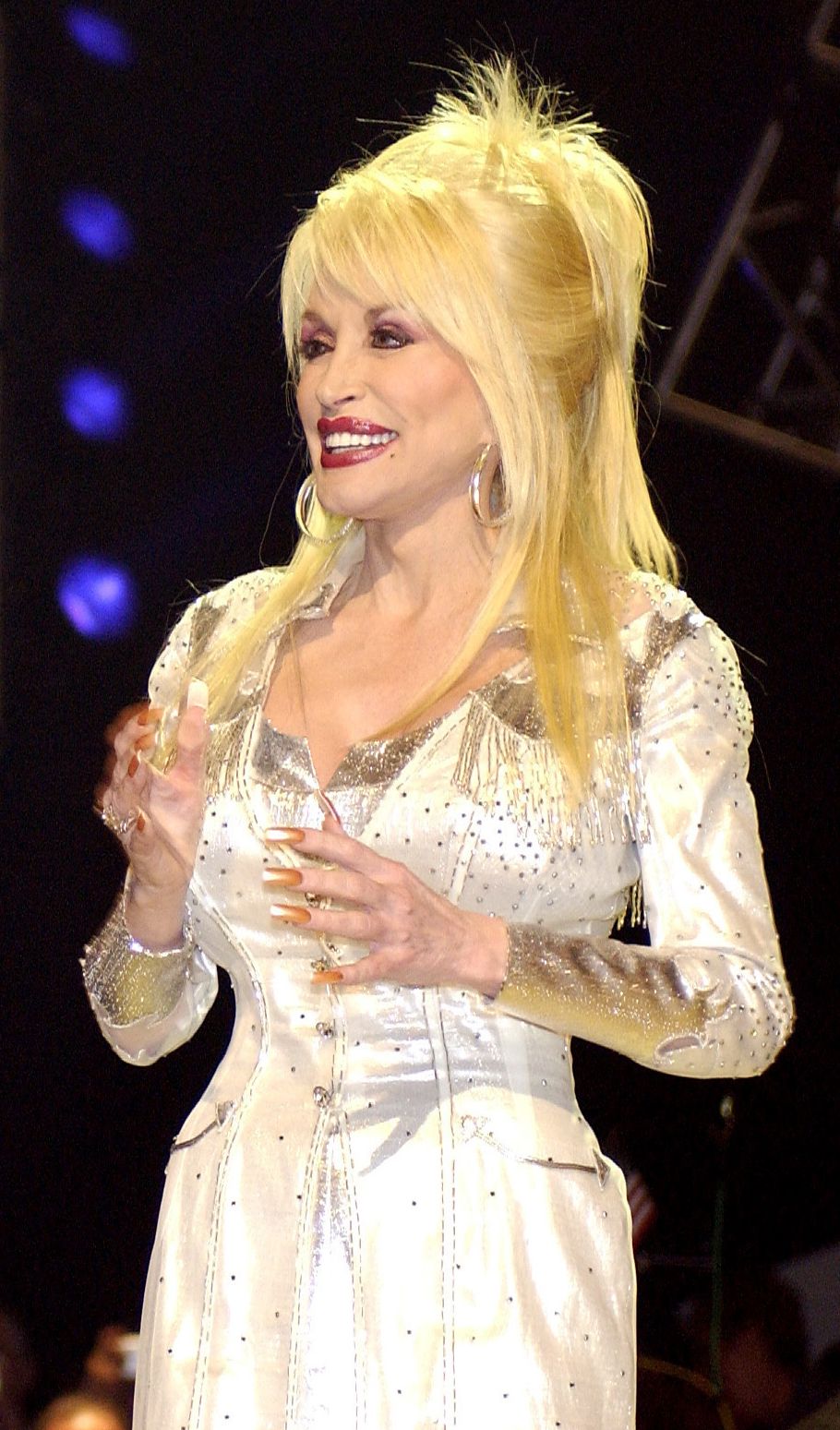
The response to Dolly Parton’s death reaches far beyond country music, reflecting a career built on songwriting, performance, friendship and public generosity. The tributes also show why her influence crossed generations and genres.
Tributes are being paid to Dolly Parton after the singer, songwriter and philanthropist died Tuesday in Nashville, Tennessee, at 80. Dionne Warwick, Kacey Musgraves, Jane Fonda and Vince Gill paid tribute to Dolly Parton, joining artists and actors who described a loss felt well beyond country music.
The Parton tributes include memories of her voice, her songwriting, her humor and the personal kindness colleagues said matched the public image. The breadth of the reaction matters because Parton’s career made her a cultural figure across generations, genres and political divides.
A loss felt across music
Warwick framed Parton’s death in spiritual terms, saying in a statement that Parton was “a true child of God” and was “in the best hands now.” Her message was brief, but it reflected the reverence running through many responses.
Musgraves, one of country music’s most prominent younger stars, captured the sudden emotional jolt in a short post: “The world feels a lot less sparkly all of a sudden.” That phrase traveled because it spoke to a quality fans often associated with Parton: a carefully cultivated but seemingly genuine sense of joy.
Paul McCartney praised Parton’s songwriting, singing and philanthropy, while also calling her a shrewd businesswoman who understood the value of her music. His tribute pointed to an often overlooked part of her legacy: Parton was not simply a beloved performer, but an artist who controlled and protected the work that powered her career.
Friends remembered the private Dolly
Fonda’s remembrance focused on the person behind the rhinestones and one-liners. She described Parton as both a playful woman from rural Tennessee and a “deep, soulful thinker” who could see people clearly.
Fonda also listed the many roles Parton filled for those around her: lyricist, musician, writer, prankster, visionary and loyal friend. The detail matters because celebrity tributes can become generic quickly; Fonda’s description instead emphasized contradiction and range.
Blake Shelton similarly said Parton was exactly as audiences imagined her to be: funny, loving and attentive. Seth MacFarlane, who worked with her on The Orville, recalled her kindness and the trust she inspired among people working around her.
Those accounts do not erase the fact that Parton’s public persona was a product of extraordinary skill. They suggest, though, that the generosity audiences saw was not merely a performance for the camera.
Vince Gill returned to a song
Gill’s tribute centered on a musical memory rather than a broad assessment. He recalled singing the final note of “I Will Always Love You” with Parton during a CMA Awards performance, calling it one of the most beautiful sounds he had ever heard.
That memory carries special weight because “I Will Always Love You” is one of Parton’s defining compositions. Her original recording established it as a country classic, and Whitney Houston’s later version introduced the song to a vast global audience.
Gill’s words also underline the difference between admiration from afar and the bonds made in performance. For artists who shared a stage with Parton, the tributes are not only about a towering catalog; they are about specific moments when her voice and presence changed a room.
Her legacy reached beyond country
Parton’s influence has always been bigger than a single format. Linda Ronstadt remembered recording with her and said the world was poorer without her. Bette Midler praised her “voice of pure gold” and the heart behind it. Kelly Clarkson said Parton made people feel seen, welcomed and as if they were already friends.
That mix of country, pop, rock, film and television voices helps explain why the news has landed so broadly. Parton could be a traditional country vocalist, a crossover hitmaker, a screen presence, a writer and a public symbol of resilience without appearing to abandon the world she came from.
Her career also offered a version of stardom that many performers admired: ambitious but accessible, glamorous but self-aware. For some, that balance was central to her appeal. Others may focus more on the songs themselves, which will remain the clearest record of her artistry.
Generosity shaped the remembrances
Several tributes highlighted the giving associated with Parton’s name. McCartney singled out her philanthropy, while Elizabeth Banks called her generous, inclusive, resilient and “a force of nature.” Reba McEntire thanked her for what she gave “with your huge huge heart.”
Parton’s public life often blended entertainment and service in a way few stars manage. That does not mean her legacy can be reduced to goodwill; her accomplishments as a songwriter, recording artist and businesswoman stand on their own. Still, the tributes show that generosity is inseparable from how many peers measured her impact.
The admiration also reflects the example she set for artists navigating an industry that can be unforgiving, particularly to women seeking control over their image and work. Parton made commercial instincts, humor and creative ownership look compatible rather than contradictory.
What remains after the tributes
The first wave of mourning is naturally emotional, with colleagues sharing brief memories and fans returning to familiar songs. More formal celebrations of Parton’s life and career may follow, but no details about public memorial plans were included in the initial roundup of reactions.
For now, the repeated themes are clear: an unmistakable voice, songs with remarkable staying power, a formidable work ethic and a personal warmth that peers insist was real. Warwick, Musgraves, Fonda and Gill each approached that legacy from a different angle, yet their messages arrive at the same conclusion.
Dolly Parton was not mourned only as a country music icon. She was mourned as an artist whose work and example became part of people’s lives, whether they knew her through a classic song, a performance, a charitable effort or the optimism she brought to public life.







Leave a Reply