
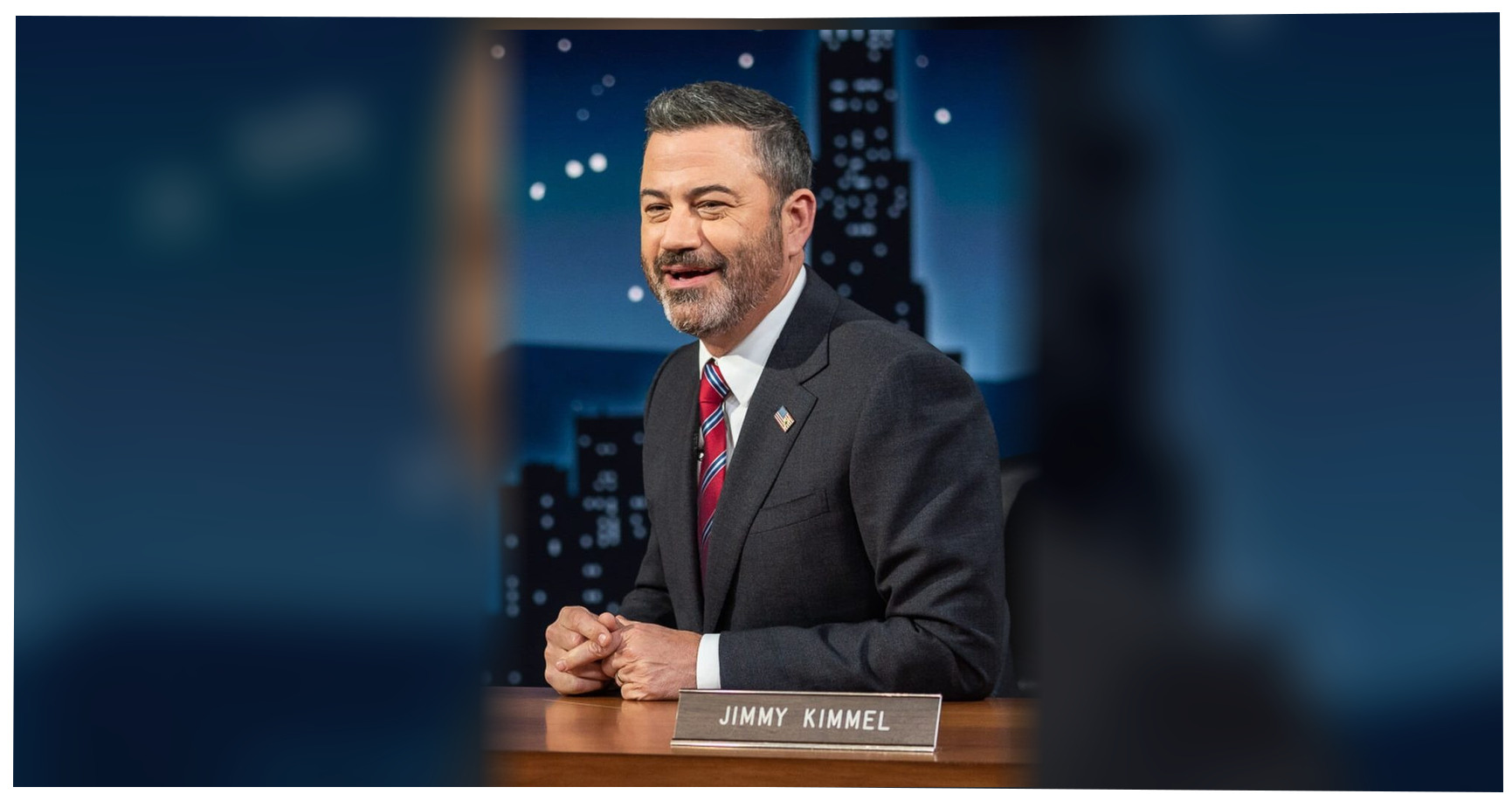
The couple’s candid podcast discussion frames a possible end to Jimmy Kimmel Live! as more than a career decision. It is also a question of family life, creative purpose and what late-night television still means to its audience.
Jimmy Kimmel is considering retiring from his late-night show, Jimmy Kimmel Live!, while his wife, Molly McNearney, says she wants him to keep fighting and continue his career. The couple’s differing views, discussed on the Aug. 24 episode of the Armchair Expert podcast, underline the uncertainty around Kimmel’s future after more than two decades in late night.
McNearney is not simply an outside observer. As co-head writer and executive producer of Jimmy Kimmel Live!, she described wanting more calm for their family while also believing the show has an important role at a contentious moment for public conversation.
A retirement question with two answers
McNearney’s position is not a contradiction so much as an unusually clear picture of the costs of a demanding television job. She said the prospect of Kimmel stepping away appeals to the “nervous system” of their household.
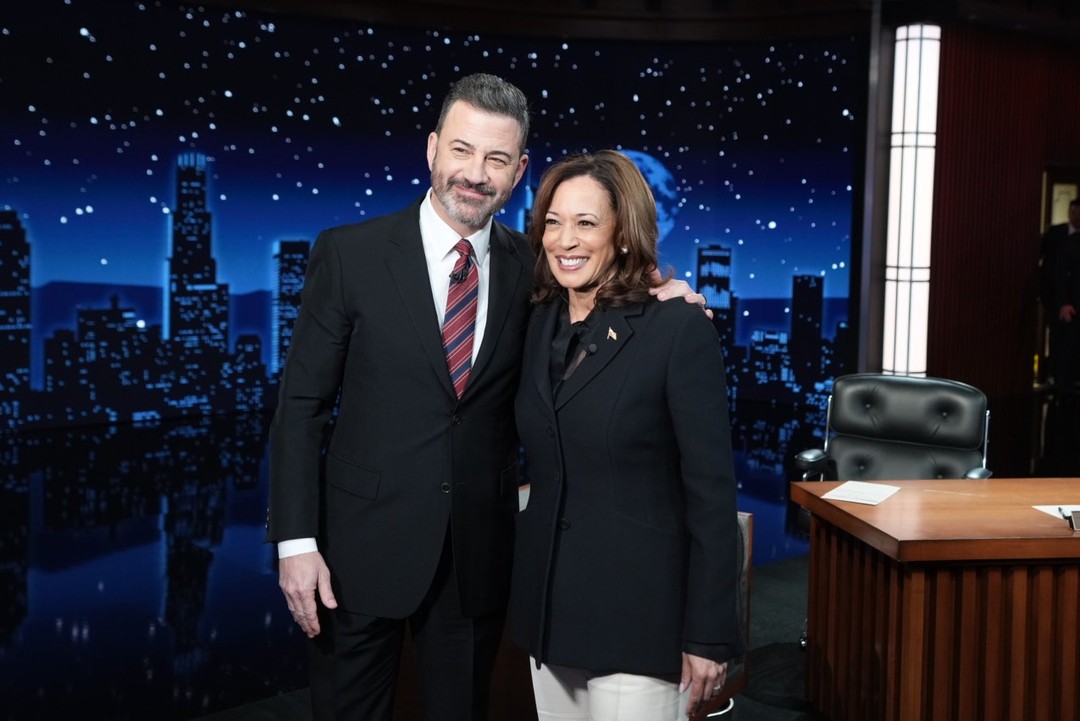
At the same time, she said she does not want him to quit when she believes his work matters. Her image of Kimmel holding a fly rod in one hand and a torch in the other captures the divide: the pull of a quieter life against the instinct to keep speaking out.
That makes this less like a conventional retirement announcement and more like a family conversation happening in public. Neither Kimmel nor McNearney announced an end date for the ABC program, and there is no indication in their comments that a final decision has been made.
McNearney sees a purpose beyond comedy
Late-night shows remain entertainment businesses, built around monologues, guests and viral clips. McNearney’s argument for continuing, however, is broader than ratings or routine.
She said she thinks the program can make viewers feel that their voices are heard. That view helps explain why “keep fighting” carries a larger meaning here: it refers to continuing a style of commentary that has become part of Kimmel’s identity as a host.
There is a practical dimension, too. McNearney said ending the show would free her to pursue her own next chapter, but she also cares deeply about the people who make it. A departure would affect not only Kimmel’s on-camera role but a longtime creative team led in part by his wife.
Kimmel is wary of the comeback trap
Kimmel did not suggest that retirement would mean disappearing from work altogether. On the podcast, he said he does not expect to stop doing things when his late-night run eventually ends.
His hesitation appears to be about how to leave well. He spoke about watching entertainers make a grand exit only to return later with a less successful version of the same idea, and wondered whether he could fall into that pattern himself.
That concern is revealing. For a host whose career has been tied so closely to a nightly format, the question is not only whether to stop. It is whether there is a satisfying next act that does not look like an attempt to recreate the old one.
The job has grown more fraught
The debate comes after a turbulent period for Kimmel and his show. USA Today reported that ABC temporarily suspended him in September 2025 following comments made after the assassination of conservative activist Charlie Kirk, before returning him to the air.
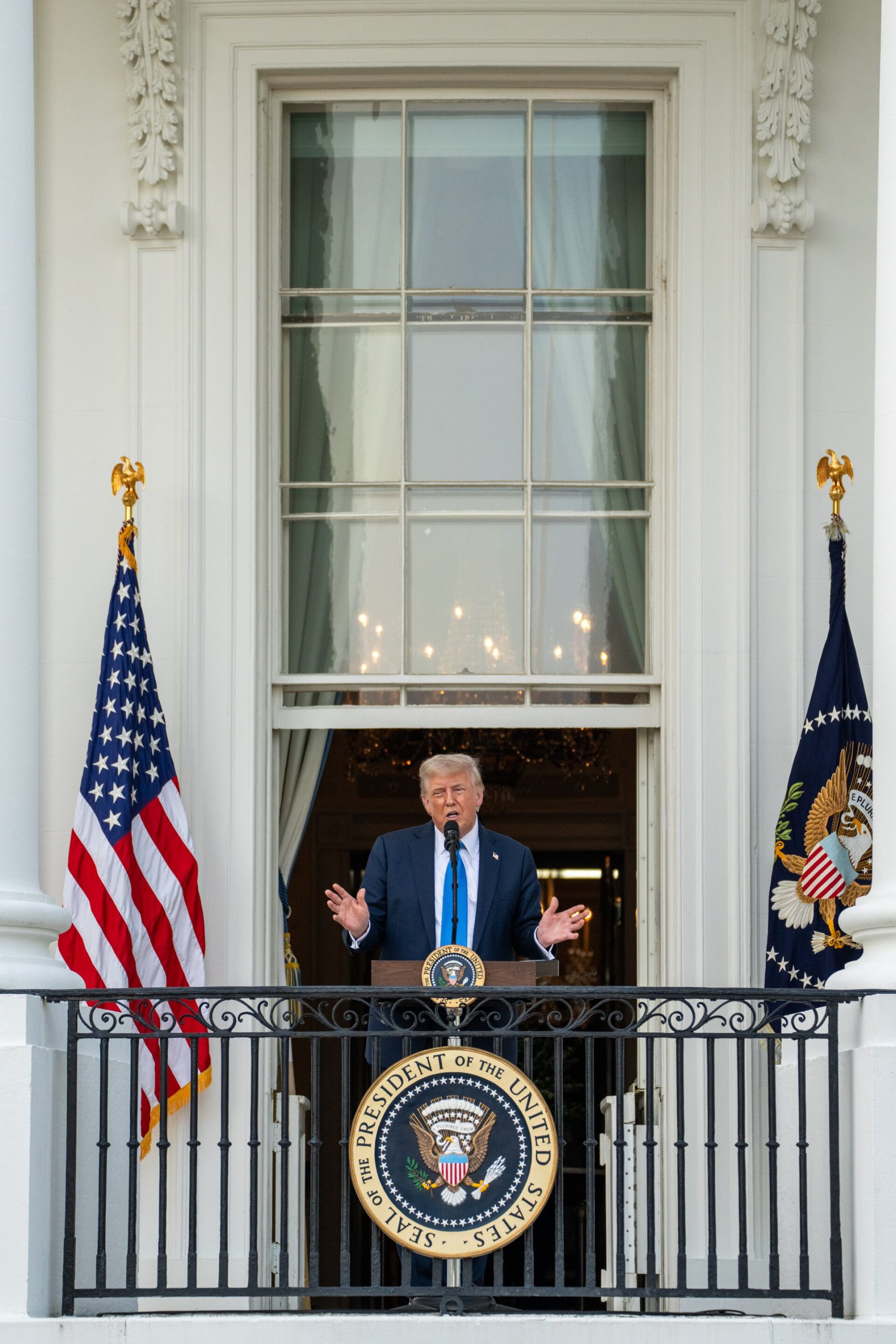
President Donald Trump criticized ABC’s decision to bring Kimmel back, according to the report, and later called for the network to fire him after another joke. ABC did not take action over that later remark, which Kimmel characterized as a light roast joke rather than a call for violence.
Those episodes are relevant because they show the environment McNearney is describing. A late-night host can still make viewers laugh, but the role now can also place a comedian, a network and a production staff at the center of fast-moving political backlash.
Supporters may see Kimmel’s willingness to take that risk as the reason the show should continue. Others may argue that a nightly show is too consuming, especially when its host and staff routinely absorb the fallout from political commentary. McNearney’s comments recognize both sides without reducing them to a simple yes-or-no choice.
What remains undecided for ABC
For now, viewers have a candid discussion, not a timetable. Kimmel has not announced a retirement date, ABC has not announced a succession plan, and McNearney has not said that the couple has settled on a path.
That uncertainty matters in a television landscape where established late-night franchises are under pressure to prove their cultural and business value. Replacing a familiar host is difficult; keeping one in a role that no longer fits his life has its own costs.
McNearney’s comments suggest that the decision will not be measured only in seasons, contracts or headlines. It will turn on whether Kimmel can preserve the purpose she sees in the show while making room for the slower life she also says he deserves.
A personal choice with a public audience
There is no clean dividing line between Jimmy Kimmel the entertainer and Jimmy Kimmel the person in this conversation. McNearney works on the show, shares his home life and understands the pressure attached to both.
Her message is ultimately twofold: she can imagine happily closing this chapter and moving forward, but she does not want the choice to come at the expense of work she considers meaningful. Kimmel’s own comments point in the same direction—an eventual exit may be possible, but simply walking away is unlikely to be the end of his creative life.






Leave a Reply