
The online reaction turned quickly from puzzlement to ridicule. The more useful question is what the available record actually shows before another political clip becomes settled lore.
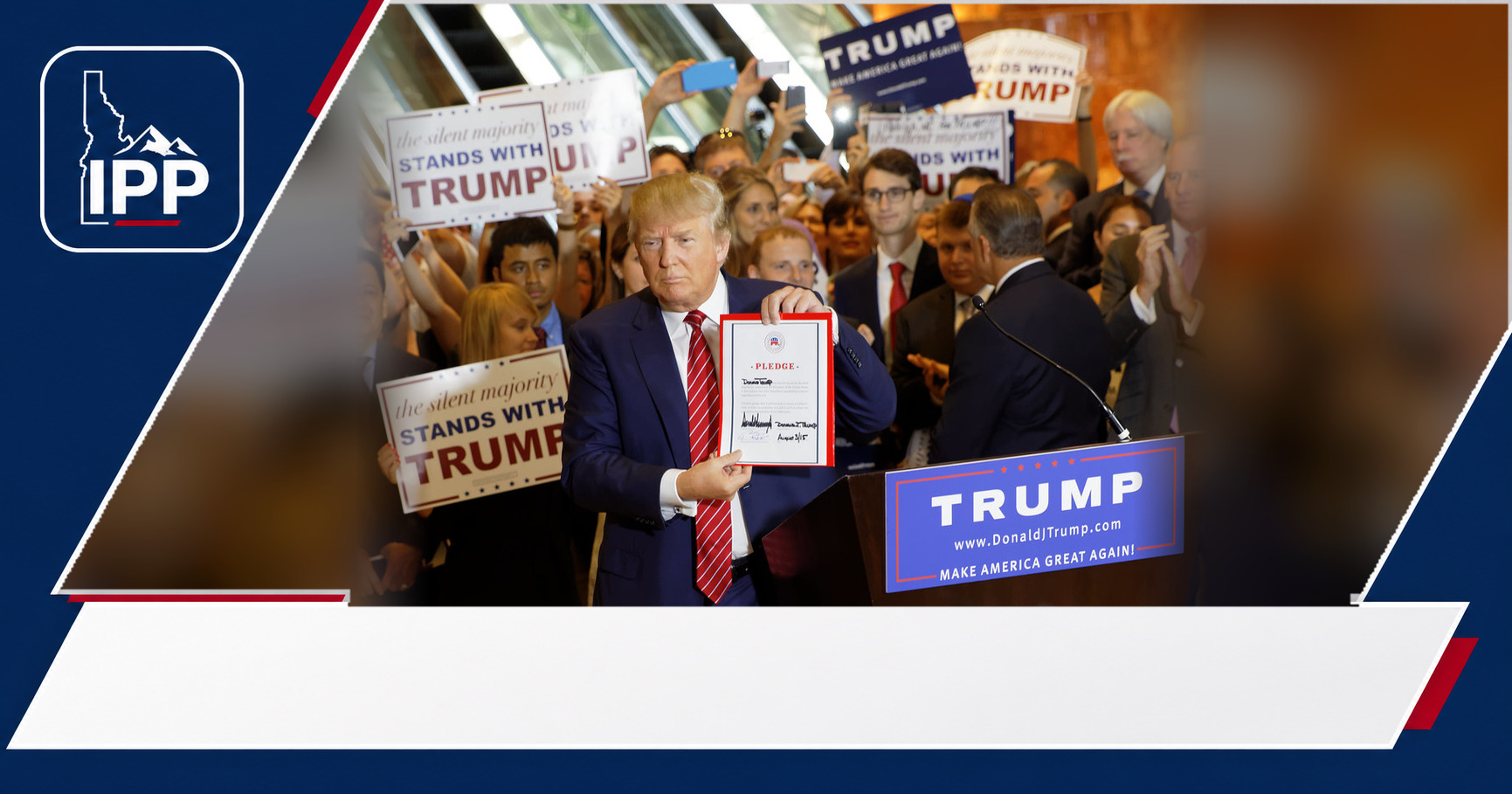
Donald Trump made a bizarre claim involving planes and his father, and people are mocking him over the claim after a July 28, 2026 report by The Blast circulated through MSN/Microsoft Start. The report’s hook was straightforward: Donald Trump roasted over a remark that tied planes to his father, Fred Trump, in a way critics treated as odd and ripe for ridicule.
What is less straightforward is the evidence trail. The extracted trend record does not include Trump’s full quote or the setting, so the immediate story is both the backlash and the limits of judging a viral political dunk without the underlying transcript.
The viral hook is thin
The available report identifies the subject and the reaction: Trump was mocked for a strange-sounding claim about planes and his father. That is enough to explain why the item moved quickly online. It is not enough to fully evaluate the truth of the claim, the tone of the comment or whether a longer exchange would change how it lands.
At minimum, the circulated claim says Trump commented on planes and referenced his father as part of the same thought. Critics appear to have treated that connection as bizarre, either because the chronology sounded off, the comparison seemed unclear or the phrasing fit a familiar pattern of meandering Trump anecdotes.
That distinction matters. A quote can be false. A quote can be garbled. A quote can be joking, nostalgic, exaggerated or clipped at the worst possible moment. Without the full text or video, the safest reading is narrow: Trump is being roasted over a reported planes-and-father remark, but the exact wording and context remain unverified in the extracted material.
Why this drew ridicule
Trump’s speaking style is unusually vulnerable to viral mockery because it often relies on long digressions, personal memories and abrupt pivots. Supporters tend to hear those moments as unscripted and conversational. Critics often hear them as evidence that he is undisciplined, imprecise or careless with facts.
Aviation is also a subject where odd wording stands out. Planes are technical, heavily regulated and associated with safety. When a politician makes a confusing claim about aircraft, the reaction is not just partisan annoyance. Readers naturally look for whether the speaker understands what he is describing.
The father reference adds another layer. Trump has long invoked his family history to frame his business instincts and personal identity. A claim that pulls Fred Trump into an aviation-related point can sound like a family anecdote, a boast or a scrambled comparison depending on the missing words around it.
Aviation remarks already carry baggage
The reaction did not happen in a vacuum. Trump’s comments about air safety have drawn scrutiny before, especially when he has linked aviation problems to political arguments before investigators have finished their work.
After the deadly collision involving an American Airlines plane and a U.S. Army helicopter near Reagan National Airport in Washington, the Associated Press reported that Trump used a White House briefing to blame diversity efforts at the Federal Aviation Administration while the cause was still under investigation. AP noted that authorities had not publicly identified the cause at that point.
During that briefing, Trump was pressed by reporters on what evidence supported his claims. According to AP’s account, he said the crash “could have been” related to diversity hiring and later said, “Because I have common sense,” when challenged on how he could reach that conclusion before the investigation was complete.
That earlier episode helps explain why a new Trump comment involving planes would attract extra attention. For critics, it fits a pattern of confident claims in a highly technical area. For defenders, it is another example of opponents turning stray phrasing into a character attack.
Mockery moves faster than context
Political media rewards the sharpest version of a moment. A strange line becomes a headline. A headline becomes a screenshot. A screenshot becomes a pile-on. By the time the longer clip or transcript appears, many people have already decided what the moment meant.
That does not mean the ridicule is automatically unfair. Public officials and candidates can be judged on their words, especially when they make claims about safety, history or policy. If Trump made a plainly false or nonsensical statement about planes and his father, criticism is fair game.
It does mean readers should be wary of treating “roasted” as proof. Being mocked online shows that a remark struck people as strange. It does not, by itself, establish the quote, the setting or the factual error.
What remains unverified
The extracted source material leaves several important gaps. It does not provide the exact sentence Trump used. It does not identify whether the comment came from a rally, interview, press availability or social media post. It does not say whether Trump was making a factual claim, telling a personal story or speaking offhand.
Those gaps are not minor. They shape the difference between a harmless oddity and a meaningful political controversy.
- Exact wording: The claim cannot be fully checked without Trump’s complete sentence or clip.
- Setting: A rally riff, interview answer and official policy comment carry different weight.
- Intended meaning: A joke, exaggeration or family anecdote can read differently in transcript form.
- Factual basis: If the remark involved aviation history or safety, it needs independent verification.
The clearest verified point is the reaction: people are mocking Trump over the reported remark. The less verified point is the substance of the remark itself.
The useful takeaway
The episode is a reminder that Trump’s off-script language remains a political force even when the underlying facts are incomplete. His critics see confusion and exaggeration. His supporters see personality and media overreach. Both reactions can be amplified before anyone has checked the primary record.
For readers, the practical move is simple: separate the viral claim from the verified quote. The claim now circulating is that Trump made a bizarre comment involving planes and his father and was roasted for it. Until the full transcript or video is available, the responsible conclusion is narrower than the mockery suggests.
That does not make the story meaningless. It shows how quickly a political figure’s familiar habits can turn into another online verdict. It also shows why, in a media cycle built for instant reaction, the missing context is often the most important part.








Leave a Reply