
The debate is less about one speaking fee or one deal than a bigger question: how much private profit can orbit a presidency before it becomes a public ethics problem?
Donald Trump Jr. is cashing in on his father’s presidency, according to critics who point to Trump family business dealings in cryptocurrency and other ventures tied to Donald Trump’s return to power. This article examines Trump family business dealings, the profit opportunities they create for Donald Trump Jr. and the Trump family, and the ethics or conflict-of-interest concerns now surrounding the presidency.
The sharpest source for those claims is a Nov. 25, 2025 staff report released by House Judiciary Committee Democrats, led by Rep. Jamie Raskin, which alleges that Donald Trump and his family used crypto ventures to add billions in paper wealth and generate hundreds of millions in income while federal policy shifted in ways favorable to the industry.
The money trail critics cite
The Democratic staff report, titled Trump, Crypto, and a New Age of Corruption, alleges that President Trump and his family built a “personal money-making operation” around cryptocurrency ventures launched during and after the 2024 campaign.
The report says the Trump family’s crypto holdings were worth as much as $11.6 billion and that the family drew more than $800 million from the sale of crypto assets in the first half of 2025 alone. Those figures are allegations from Democratic committee staff, not findings from a court or an independent financial audit included in the research provided.
Two ventures named in the report are World Liberty Financial and the $TRUMP memecoin. The core allegation is not simply that the Trump family entered a hot market. It is that the family’s political brand, Donald Trump’s office and the administration’s crypto policy became intertwined in ways that could benefit private Trump-linked interests.
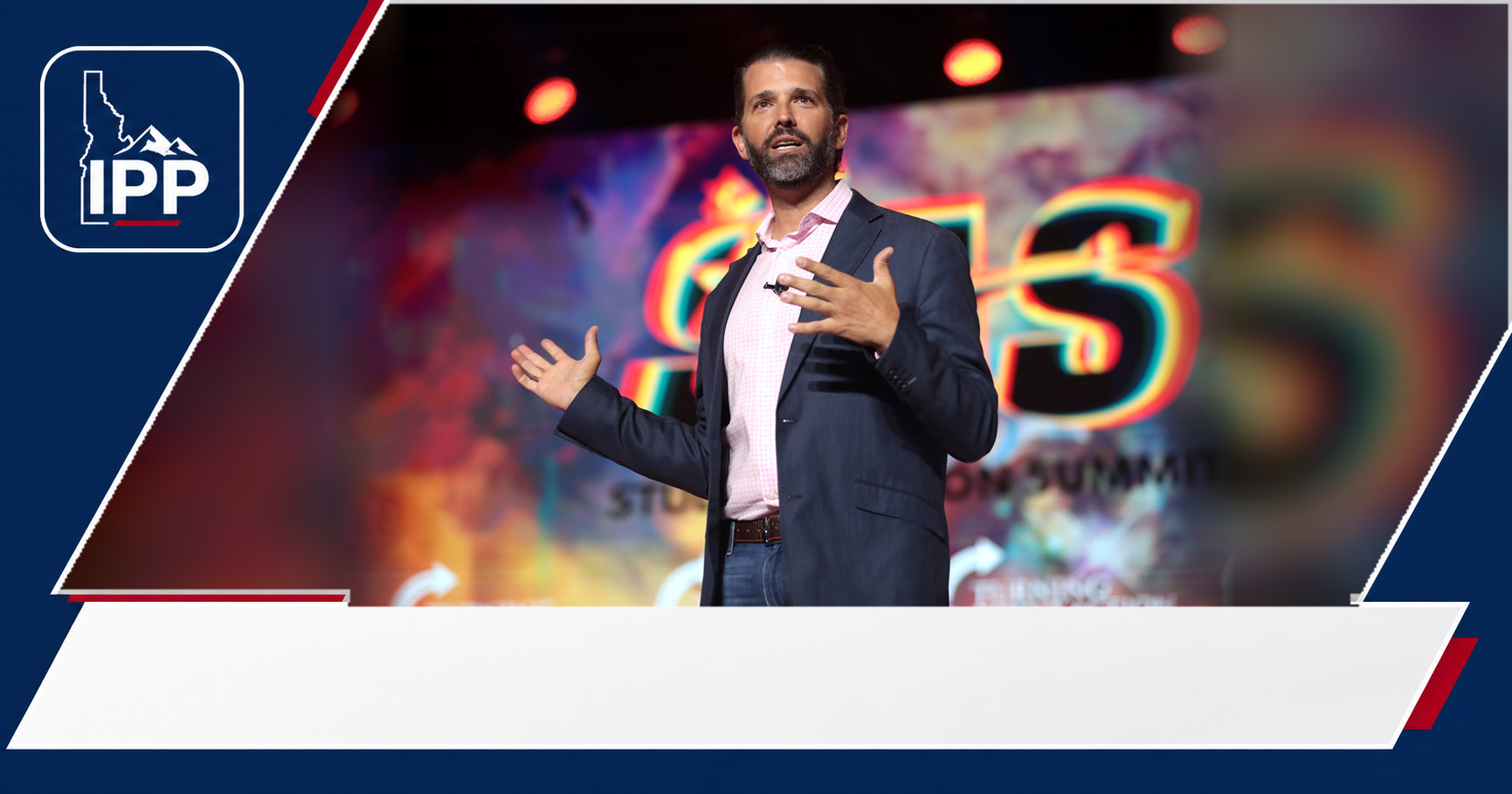
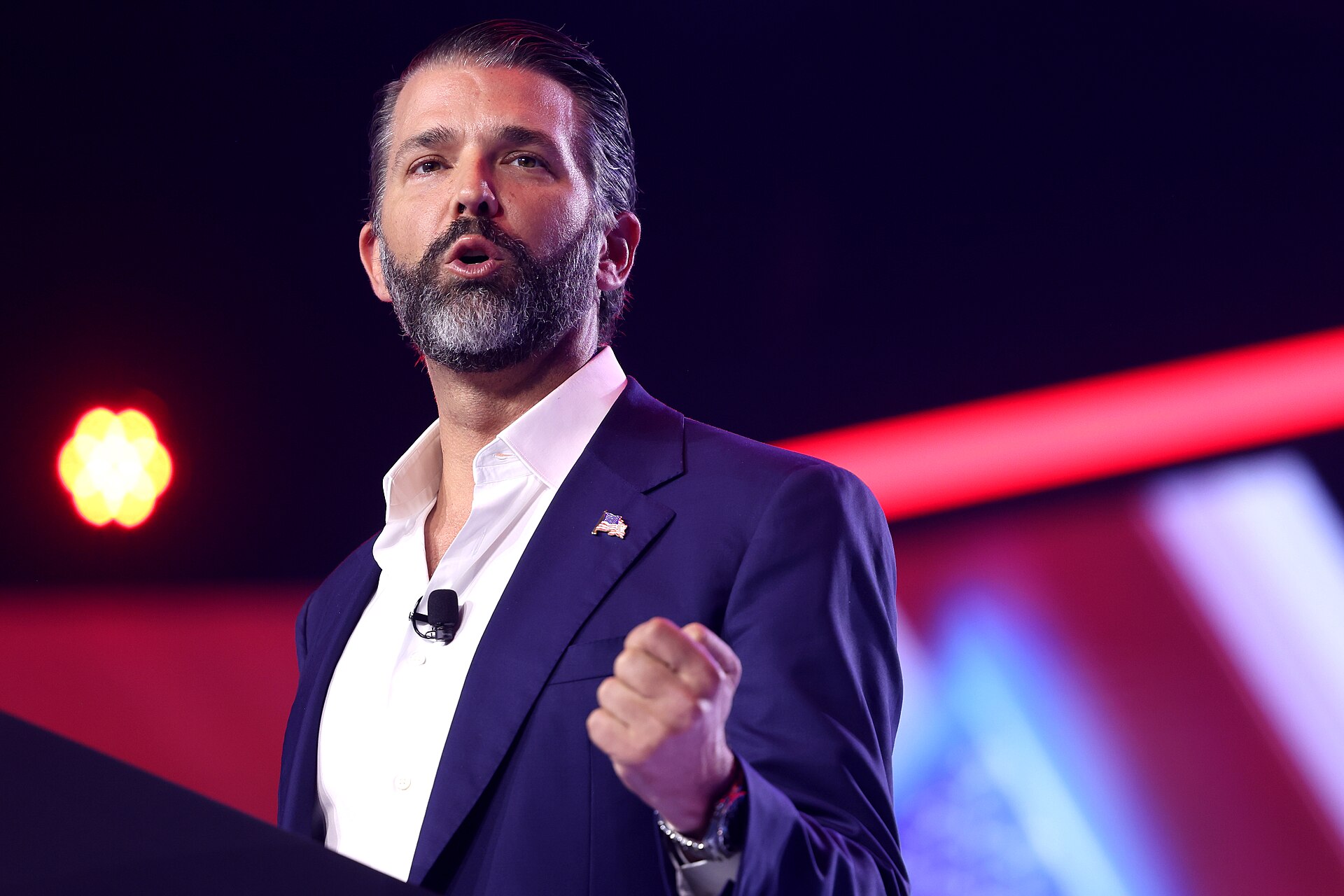
That is where Donald Trump Jr. becomes central. He is not the president, and the provided report excerpt does not assign him a personal dollar figure. But as a prominent Trump family figure and political surrogate, he sits at the intersection of family branding, investor attention and presidential proximity.
Why Trump Jr. matters
Donald Trump Jr. has long operated in a hybrid role: part political attack dog, part family-business promoter, part celebrity of the MAGA movement. That mix matters because influence can be monetized even without a formal government title.
For critics, the concern is that Trump Jr.’s value in business is not separable from his father’s office. When a family venture benefits from the Trump name during a Trump presidency, investors may see more than a product. They may see access, ideological alignment or a way to curry favor with people close to power.
That does not automatically prove wrongdoing. Adult relatives of presidents are not barred from making money, and private businesses do not cease to exist because a family member wins office. The harder question is whether the presidency is being used, directly or indirectly, to make those businesses more valuable.
The Democratic report argues that the answer is yes. It describes a broader system in which Trump family crypto ventures attracted money while the administration rolled back oversight and took a friendlier posture toward digital assets.
Crypto raises the ethics stakes
Crypto is a particularly difficult arena for presidential ethics because money can move quickly, valuations can swing wildly, and investors may include foreign nationals, state-linked entities or companies with business before the federal government.
The House Judiciary Democrats’ report alleges that foreign actors and corporate interests funneled money into Trump family crypto ventures and made politically motivated donations. It says some backers later benefited from regulatory rollbacks, policy decisions or the termination of federal investigations.
The report specifically names companies including Coinbase, Gemini, Robinhood, Ripple, Crypto.com, Uniswap, Yuga Labs and Kraken in connection with halted or terminated federal investigations and enforcement actions, while alleging that some had donated to Trump or invested in Trump-linked companies. Those are committee Democrats’ claims and should be read as allegations unless separately confirmed by regulators, courts or company disclosures.
The report also says the administration dismantled safeguards such as the Justice Department’s National Cryptocurrency Enforcement Team and repealed investor-protection rules adopted under the Biden administration. To critics, that sequence looks like policy serving private financial interests. To supporters, it can look like a deregulatory agenda that voters were promised.
The counterargument from Trump allies
Trump supporters generally argue that the president’s pro-crypto posture is a legitimate policy position, not a payoff scheme. They say Democrats are using ethics language to criminalize political differences and punish a family that has been in business for decades.
That argument has force with many voters because crypto regulation is genuinely contested. Some investors and industry advocates believe federal enforcement under the Biden administration was too aggressive, too vague or hostile to innovation. A Republican administration easing that pressure is not, by itself, evidence of corruption.
There is also a distinction between political benefit and legal misconduct. A president can support an industry. A president’s relatives can invest, promote businesses or profit from a famous name. The ethics problem emerges when those tracks appear to merge: policy choices that affect family assets, investors seeking presidential favor, or business partners gaining access because they put money into ventures connected to the president’s household.
The available research does not show a final adjudication of those questions. It shows a serious set of allegations from Democratic congressional staff, backed by specific dollar figures and examples, that will likely be disputed by Trump allies and the companies named.
What remains unanswered
The biggest missing piece is a clean accounting of Donald Trump Jr.’s personal financial gain. The committee report excerpt refers broadly to Donald Trump and his family, including ventures where Trump family members are involved, but it does not provide a line-by-line ledger for Trump Jr.
That matters. If the question is whether Trump Jr. is benefiting financially from the presidency, the public needs more than a general family total. It needs to know his ownership interests, compensation, token holdings, speaking or promotional payments, and whether any of those changed after Donald Trump returned to office.
Other unanswered questions are just as important:
- Which investors bought into Trump family crypto ventures, and were any seeking federal action?
- Did administration officials discuss Trump-linked crypto businesses while shaping policy?
- Were enforcement decisions involving crypto firms handled through normal channels?
- Are existing conflict-of-interest laws strong enough to cover presidential family businesses?
Raskin’s report argues that Congress needs reforms to campaign finance, conflict-of-interest and anti-bribery laws. Whether those reforms move anywhere depends on political power, public pressure and whether additional evidence emerges beyond partisan committee findings.
The real pressure point
The Trump Jr. story is not only about one son of one president. It is a test of how modern political celebrity can become a revenue stream, especially when family businesses operate in markets that depend heavily on government policy.
The presidency has always created opportunities for people near it. What makes this moment different is the scale alleged by House Judiciary Democrats, the opacity of crypto money and the degree to which the Trump brand itself is the asset being sold.
For Donald Trump Jr., that means every deal attached to the Trump family name will be read through the same lens: ordinary private enterprise to supporters, presidential profiteering to critics. Until there is fuller disclosure, the ethical cloud will remain larger than any single crypto token or business pitch.








Leave a Reply