
The clash is about more than one tense staff meeting. It exposes a fight over how far CBS News can push a legacy institution without losing the people who built it.
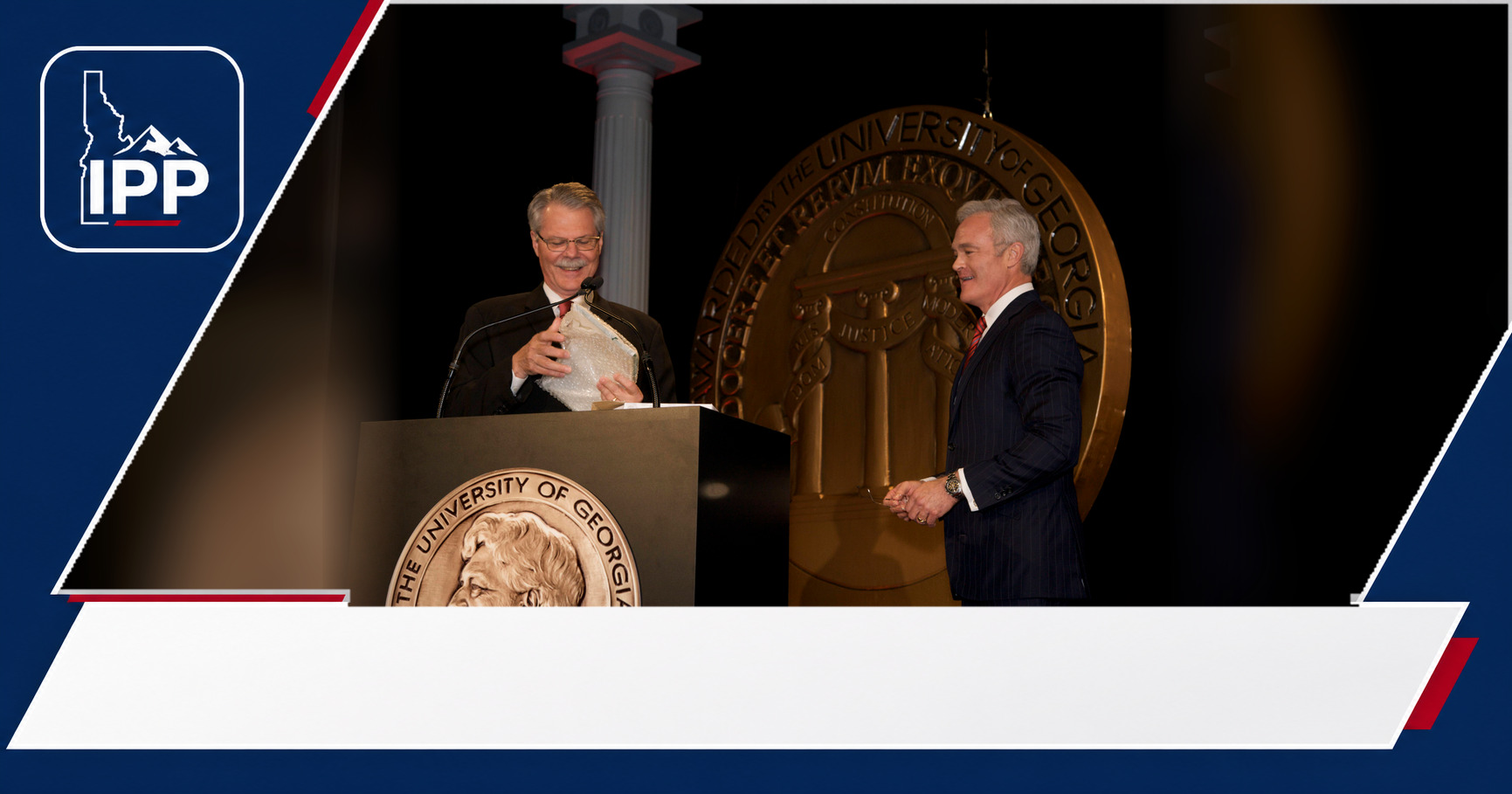
Reports about CBS News and Bari Weiss now center on 60 Minutes, where longtime correspondent Scott Pelley reportedly confronted Nick Bilton, the new executive producer named by Weiss, during a June 1 introductory meeting with staff. The flare-up gives shape to the claim that another bigwig is in trouble: Bilton, a senior media executive taking over the prized newsmagazine, is facing internal criticism as the CBS News shakeup tests one of TV journalism’s most valuable brands.
The Associated Press, citing reports from Status and The New York Times, described an unusually tense exchange inside the 60 Minutes newsroom. The stakes are not just who runs the show next, but whether CBS leadership can remake a 57-year-old institution without alienating its most recognizable journalists.
Pelley’s criticism was unusually blunt
According to AP’s account of the reporting, Pelley accused Weiss of “murdering the show” and questioned Bilton’s qualifications in front of staff. Status reported it had heard a recording of the meeting, which was held to introduce Bilton as the new executive producer.
Pelley reportedly pressed Bilton over the firings of his predecessor, Tanya Simon, and correspondents Sharyn Alfonsi and Cecilia Vega. He also described Bilton’s qualifications for the role as “slender,” according to Status, as cited by AP.
The criticism did not stop with Bilton. Pelley also reportedly said Weiss had “no qualifications for her job” and called changes at CBS Evening News, which he once anchored, “catastrophic.”
Those are not routine newsroom grumbles. Pelley is one of the most established faces associated with 60 Minutes, and public reporting of his objections turns an internal transition into a highly visible test of authority.
Why Bilton’s appointment landed hard
Bilton is not an unknown media figure. He is a former technology journalist and filmmaker, and Status quoted him telling Pelley, “I have been a journalist for 25 years.” But the friction appears to be about fit, not résumé length.
60 Minutes is built on a specific television-news tradition: long-form reporting, correspondent-driven storytelling and a sense of institutional continuity. Bringing in a leader without a traditional broadcast news background was always likely to be read inside the building as a signal, not just a staffing choice.
That is why the “another bigwig is in trouble” framing needs precision. There is no public evidence from the AP report that Bilton is facing formal discipline or removal. What is clear is that he is entering the job amid sharp internal resistance from at least one of the program’s defining figures.
Bilton reportedly pushed back in the meeting, saying he would not be intimidated. That response matters because it suggests CBS leadership is not treating the backlash as a reason to retreat, at least not publicly.
Weiss is selling a bigger reset
Weiss, who took the reins at CBS News last October, has become a polarizing figure in media circles. Her supporters tend to see her as a disruptive editor willing to challenge stale assumptions. Critics see her as an ideological and managerial mismatch for a legacy broadcast newsroom.
In a memo reported by AP, Weiss and CBS News president Tom Cibrowski said the goal was “building a show that thrives in the 21st century.” They described a “new approach” that would expand 60 Minutes beyond a one-hour television broadcast, deepen its role across CBS News and hold its work to the “ambition, fairness, and fearlessness” associated with the program at its best.
That pitch is easy to understand from a business standpoint. The television audience is fragmented, news consumption has shifted toward digital platforms, and even the strongest broadcast brands need younger viewers to know why they matter.
The hard part is execution. A modernization plan can sound visionary in a memo and still feel like an attack to staff members who believe the show’s authority comes from careful traditions, not platform expansion.
The staff reaction is the warning sign
Status reported that Pelley was applauded multiple times by staffers during the meeting. If accurate, that detail may be the most consequential part of the story.
One correspondent objecting to a new boss is a personnel conflict. A room applauding that objection suggests a broader credibility problem for management inside the newsroom.
The New York Times, according to AP, also reported that an unnamed executive at the meeting said Weiss had been prepared to attend, but “we asked her not to.” That detail underscores how sensitive the transition had already become before Pelley’s remarks were reported.
AP reported that two CBS News spokespeople did not immediately respond to a request for comment. A person close to CBS News leadership, speaking anonymously to AP, said Weiss and Bilton had tried to reach Pelley privately and wanted him to remain an integral part of 60 Minutes. The person said leadership found it disappointing that the accusations were being aired publicly despite those outreach efforts.
Why CBS cannot shrug this off
For CBS, 60 Minutes is not just another show on the schedule. It is a prestige asset, a trust engine and a symbol of the network’s news identity.
That makes leadership change unusually delicate. If executives move too slowly, the show can appear frozen in an earlier media era. If they move too abruptly, they risk damaging the internal confidence that helps a program like 60 Minutes produce ambitious journalism.
The dispute also lands at a moment when audiences are deeply skeptical of news institutions. A messy, public fight over qualifications, firings and editorial direction can reinforce doubts among viewers who already suspect major news brands are driven by internal politics.
Still, resistance to change is not proof that change is wrong. News organizations do need to adapt. The unresolved question is whether CBS’s new leadership can persuade the newsroom that its plan strengthens 60 Minutes rather than diluting it.
What remains unclear now
The biggest unanswered question is whether the reported confrontation becomes a turning point or just an ugly first chapter. Bilton’s authority depends not only on his title, but on whether correspondents, producers and staff believe he understands the show he has been asked to lead.
Weiss’s authority faces a parallel test. She can argue that CBS News needs a sharper, broader future. But if key journalists view that future as imposed from above, the network may spend months managing internal resistance instead of building momentum.
There are also practical unknowns: what the next version of 60 Minutes will actually look like, whether more staff changes are coming, and how much of the program’s identity CBS is willing to alter in pursuit of digital reach.
For now, the headline is not simply that Bari Weiss is facing criticism at CBS News. It is that the first major public signs of pushback are coming from inside 60 Minutes itself, where reputation is the product and trust is hard to rebuild once shaken.






Leave a Reply