
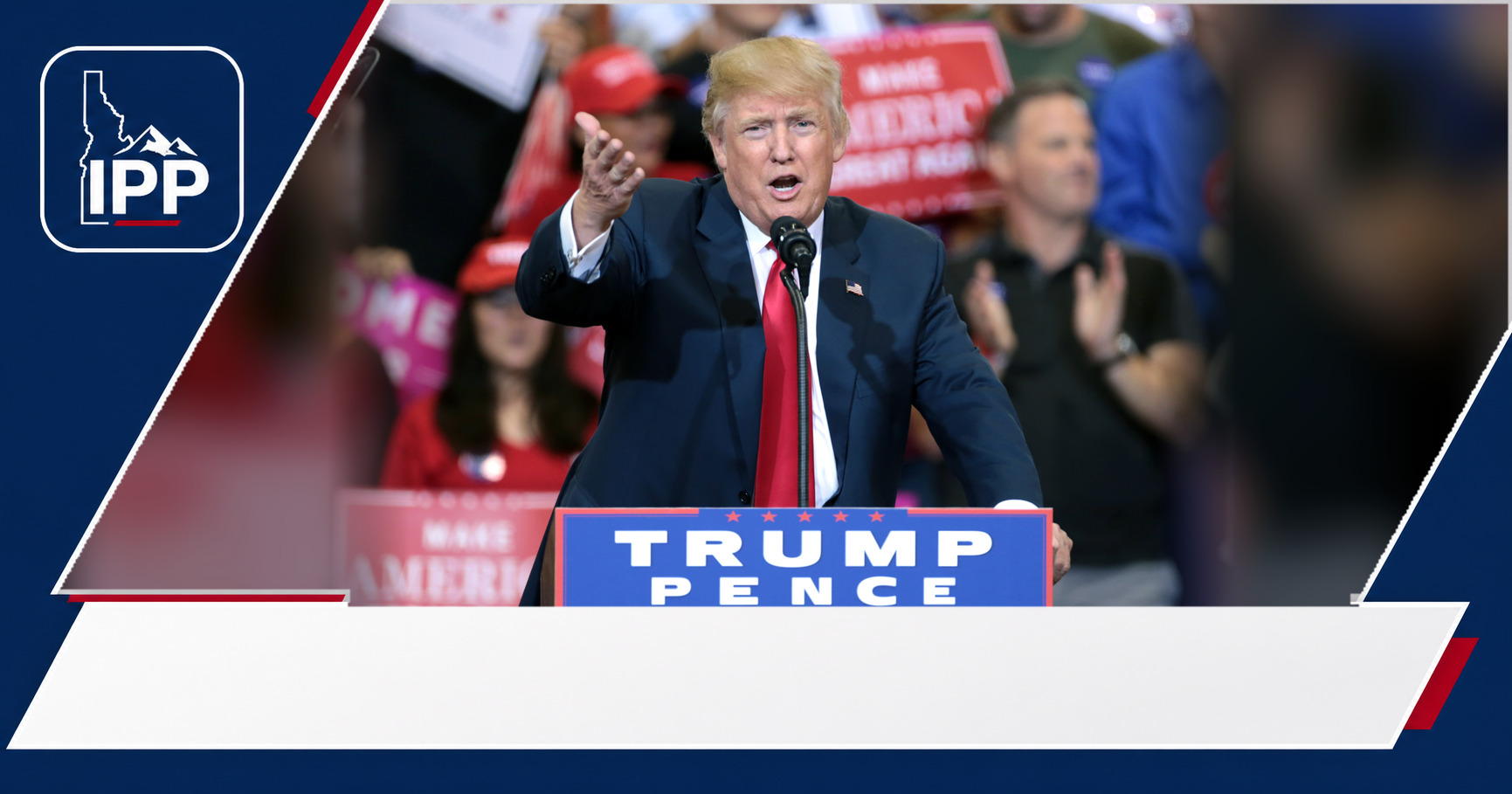
Trump’s remarks put an extraordinary proposal around one of the world’s most important shipping chokepoints. The comments arrive as reported U.S.-Iran negotiations face a new deadline and oil markets react to uncertainty.
Donald Trump said U.S. control of the Strait of Hormuz would be “a great idea,” according to remarks reported by CBS News. The comments came as the reported 60-day U.S.-Iran negotiation period expired, leaving talks at a deadline amid a strained standoff involving Iran and the United States. These live updates track developments involving Iran, including the fallout from Trump’s proposal and the situation in the Strait.
Trump said in the Oval Office that making the Strait of Hormuz a U.S. territory would be “a great idea,” going beyond a general call for control of the passage. The available reporting does not identify a formal U.S. plan to claim the strait. The waterway is a vital shipping route, so any dispute over who controls or can safely use it has implications beyond the immediate U.S.-Iran confrontation. The statement therefore links Trump’s comments directly to concerns about access through the strait as the reported Iran talks expire.
What Trump actually said
The key point is the distinction between a president praising an idea and a government announcing a policy. CBS News reported that Trump said, “We control it,” while discussing the prospect of making the strategic waterway U.S. territory.
That wording is unusually expansive. Military influence, maritime security operations, freedom of navigation and territorial control are not interchangeable terms. The reporting reviewed does not lay out what authority Trump believes the United States has, what borders he is referring to, or what practical steps would follow.
That lack of detail is central to understanding the comment. A statement about controlling a waterway can signal a desire for leverage or deterrence; declaring territory would carry far larger diplomatic, legal and military implications.
Why the Strait matters
The Strait of Hormuz sits at the entrance to the Persian Gulf and is one of the most consequential maritime chokepoints in the global economy. Tankers use it to move oil from Gulf producers toward world markets.
That geography means even the threat of disruption can push up energy prices. CBS reported that Brent crude rose 2.7% to $90.87 a barrel on Aug. 17, amid uncertainty over what the reported conflict with Iran could mean for crude flows.
The same report said Brent had swung between $72 and $102 during the prior month as expectations changed over whether the United States and Iran could reach an arrangement that would allow tankers to move freely out of the Persian Gulf. For consumers, that volatility can eventually affect gasoline, shipping and inflation pressures, though price changes do not move through the economy instantly or evenly.
Talks appear stuck again
Trump’s Strait of Hormuz remarks came as the reported 60-day memorandum of understanding between the United States and Iran was expiring. Jared Kushner, Trump’s son-in-law and adviser, told Fox News that Iran was “not showing any interest” in a deal that made sense for the United States.
Kushner said the administration wanted Iran to make a deal and give up nuclear weapons, while accusing Tehran of seeking concessions and trying to “hide certain cards.” Those are the U.S. side’s assertions, not a jointly agreed account of the talks.
No Iranian response to Trump’s territorial idea is included in the available material. Nor is there a clear public description of what terms remained unresolved, whether negotiations were continuing through other channels, or whether either side had set a new deadline.
Control is not a settled fact
Trump’s claim that “we control it” should not be read as proof that the United States owns or governs the Strait of Hormuz. The available reports provide no evidence of a change in sovereignty, an international agreement, or a newly announced U.S. legal claim over the waterway.
There is also a practical tension in the language. The United States can deploy naval power in the region and work with partners on maritime security, but a declaration of U.S. territorial control would be a very different proposition from protecting commercial shipping lanes.
Supporters of a tougher posture could see Trump’s comment as a way to underscore U.S. military reach and pressure Iran during stalled diplomacy. Critics could argue that broad territorial rhetoric risks escalating tensions, confusing allies and creating expectations that cannot be met without a major confrontation.
Pressure is spreading beyond talks
The wider Iran-related developments described in the live reporting show how regional strains can spill into several arenas at once. Iran’s Foreign Ministry condemned a drone attack on the office of Masrour Barzani, prime minister of Iraq’s semi-autonomous Kurdish region, calling it suspicious and suggesting it was intended to damage Iran-Iraq relations.
Regional authorities said the drones were launched from the border with Iran and reported no casualties, according to CBS. Iran’s foreign minister, Abbas Araghchi, also described the incident as a possible false-flag effort in a post on X. Those accounts underline the competing claims that often follow attacks in the region.
Separately, CBS reported concerns from families about conditions aboard the USS Abraham Lincoln after a nine-month deployment. Trump dismissed reports of difficulties on the carrier as “fake news,” while U.S. Central Command Adm. Brad Cooper said prolonged time at sea is uniquely challenging and tough.
What would make this more than rhetoric
The next signal to watch is whether the White House, Pentagon or State Department offers a definition of what Trump means by U.S. control of the Strait of Hormuz. A formal policy would require specifics: the intended mission, military posture, legal rationale, relationship with regional partners and how Washington would seek to avoid a wider conflict.
For now, the reported comments are best understood as a forceful expression of Trump’s position during a period of unresolved Iran diplomacy and heightened concern over oil transport. They do not, based on the material available, establish that the United States is taking ownership of the Strait or preparing to do so.
The stakes are clear even if the policy details are not. A narrow channel near Iran remains tied to diplomacy, military deployments and the price of energy around the world.






Leave a Reply