
The agreement gives Riyadh a path toward civilian nuclear power with the United States as its preferred partner. The unresolved question is how tightly Washington will police enrichment, safeguards and congressional review.
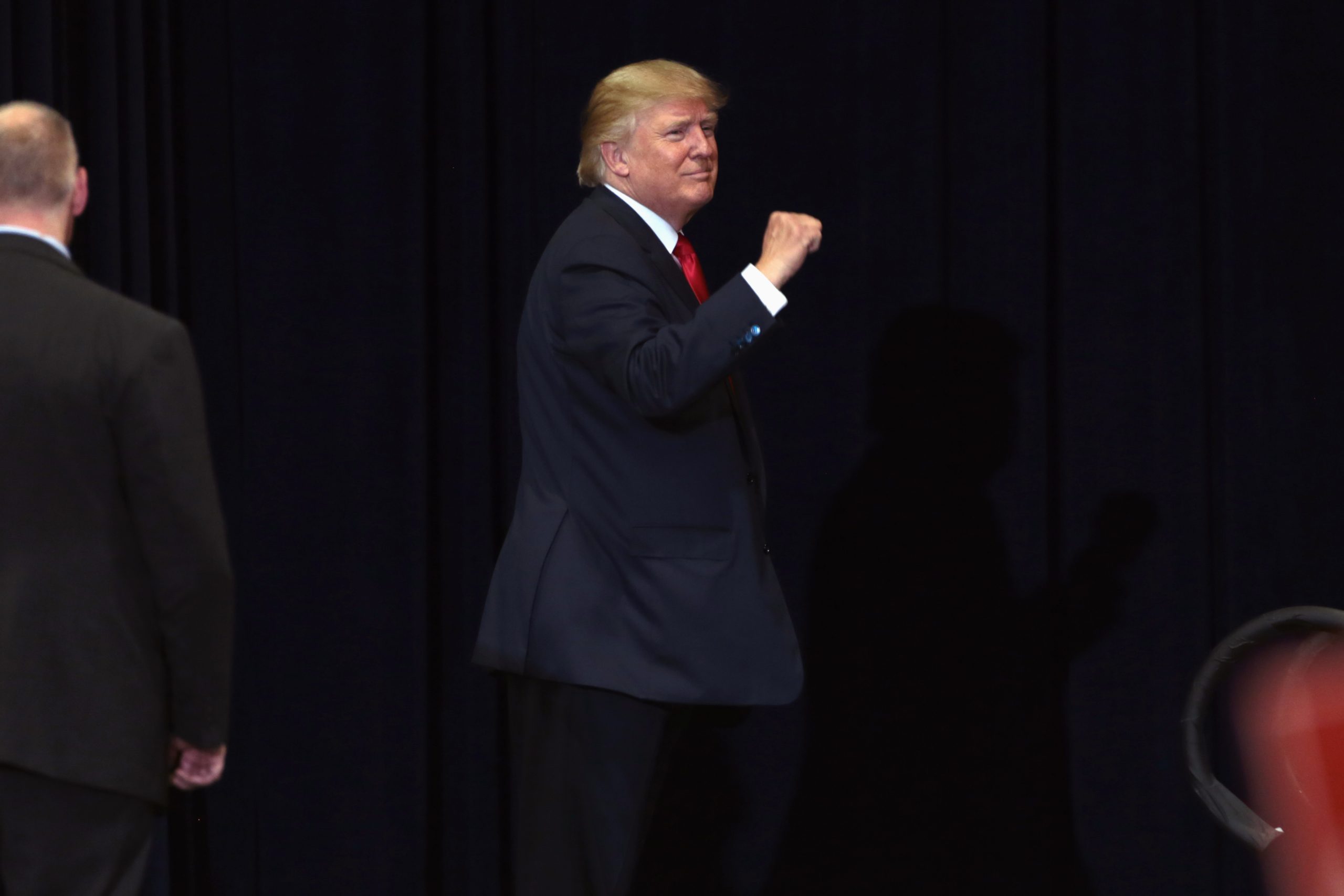
Donald Trump approved a landmark nuclear deal with Saudi Arabia, and the deal would give Saudi Arabia a civilian nuclear program under a 30-year U.S. cooperation framework worth tens of billions of dollars. Trump approves landmark U.S.-Saudi nuclear cooperation at a moment when the United States wants American companies, not rivals, to build the kingdom’s next energy industry.
It is being portrayed as a major win for Saudi Arabia because Riyadh has long sought access to advanced nuclear technology while keeping room to shape its own fuel policy. The question now is whether the agreement’s safeguards will satisfy Congress and nonproliferation experts.
A coveted Saudi prize
The approval marks a major step toward a U.S.-Saudi civil nuclear partnership that has been discussed for years but repeatedly slowed by disputes over nuclear fuel, inspections and regional security politics.
According to a White House fact sheet issued during earlier U.S.-Saudi negotiations, Washington and Riyadh signed a Joint Declaration on the Completion of Negotiations on Civil Nuclear Energy Cooperation. The White House described it as the legal foundation for a decades-long, multi-billion-dollar nuclear energy partnership with the kingdom.
The same statement said the arrangement confirms that the United States and American companies would be Saudi Arabia’s civil nuclear cooperation partners of choice. That commercial language matters: nuclear power deals are not just about reactors. They can include engineering, fuel services, safety systems, training, maintenance and long-term technology support.
For Saudi Arabia, the prize is bigger than electricity. A civilian nuclear program would deepen its claim to be a high-tech regional power, support its economic diversification plans and give it leverage in a world where energy influence is no longer limited to oil.
What the agreement covers
The core of the pact is civil nuclear cooperation, not a weapons program. In practical terms, such agreements can allow U.S. firms to export nuclear technology, equipment and expertise under rules set by Washington and reviewed through the U.S. nonproliferation system.
The reported 30-year scope gives the partnership a long runway. Nuclear projects take years to license, finance and build, and major reactor programs often rely on decades of vendor relationships. That is why a U.S.-Saudi deal could be worth tens of billions of dollars if Saudi Arabia moves from framework agreement to contracts, construction and operation.
The White House has emphasized that cooperation would be conducted in a manner consistent with strong nonproliferation standards. That phrase is doing heavy work. The central policy fight is what those standards actually require, especially on uranium enrichment and reprocessing, the two fuel-cycle activities that can carry weapons-proliferation risk if misused.
Some previous U.S. nuclear cooperation deals have included especially strict limits. Saudi Arabia has resisted conditions that would permanently give up enrichment, arguing that it should not accept a second-class status compared with other countries that have nuclear fuel capabilities.
The enrichment fight
The most sensitive issue is whether Saudi Arabia will be allowed to enrich uranium. Enrichment can produce fuel for civilian reactors, but at higher levels it can also be used to produce material for nuclear weapons.
Reuters reported earlier this year that the Trump administration was pursuing a civil nuclear pact with Saudi Arabia that did not include some nonproliferation safeguards the United States has previously sought. CNN later reported that the administration had tentatively agreed to allow Saudi Arabia to enrich uranium without enacting international safeguards intended to limit proliferation risks.
Those reports help explain why the deal is likely to face scrutiny even if the administration frames it as an economic and strategic win. Supporters see a chance to keep Riyadh inside a U.S.-led nuclear framework. Critics worry that loosening guardrails for a wealthy, ambitious Middle East power could create a precedent other countries will demand.
The stakes are regional as well as technical. Saudi Arabia sits in a security environment shaped by Iran’s nuclear program, Israel’s undeclared nuclear capability, missile proliferation and shifting U.S. commitments. A civilian program under American supervision may look stabilizing to one camp and dangerously permissive to another.
Why Washington wants in
The commercial argument is straightforward: if the United States does not help build Saudi Arabia’s nuclear sector, other suppliers may. Russia, China, South Korea and France have all played major roles in global reactor markets, and nuclear partnerships often create long-term strategic relationships.
For Trump, the deal also fits a broader pattern of linking foreign policy to investment, jobs and defense cooperation. The White House previously said Saudi Arabia had made hundreds of billions of dollars in investment commitments to the United States and described a wider package covering defense, critical minerals and artificial intelligence.
That broader package is important context. A nuclear agreement can be one piece of a larger bargain: energy technology, arms sales, regional security guarantees, supply chains and diplomatic alignment. Saudi Arabia gets access and recognition. Washington gets contracts, influence and a stronger claim that Riyadh remains anchored to the U.S. security orbit.
American companies would be positioned to compete for reactor work and related services. Still, an approval does not automatically equal signed construction contracts. Financing, site selection, licensing, regulatory standards and supplier bids can all shape what eventually gets built.
Congress gets a say
Civil nuclear cooperation agreements are not ordinary commercial memoranda. Under U.S. law, major nuclear cooperation pacts generally go through congressional review before sensitive exports can proceed.
That means the political fight may now move from the White House to Capitol Hill. Lawmakers who prioritize alliance management and U.S. industry may welcome a Saudi deal that keeps American firms at the center. Others may press for binding limits on enrichment, tougher inspections and clearer consequences if Riyadh violates terms.
The administration’s challenge is to convince skeptics that the agreement gives the United States more visibility and control than it would have if Saudi Arabia turned elsewhere. The counterargument is that Washington should not trade away gold-standard safeguards for commercial access.
The precise text will matter. So will any side understandings about fuel supply, spent fuel, inspections by the International Atomic Energy Agency, and whether Saudi Arabia can develop domestic enrichment now or in the future.
What remains unclear
Several basic questions still need public answers. Has the full agreement been released? Does it explicitly permit enrichment, delay it, or leave the door open? What safeguards are mandatory rather than aspirational? How would violations be detected and punished?
There is also a timing question. A 30-year framework can signal a major strategic commitment, but nuclear construction is slow and politically exposed. A future administration or Congress could attempt to narrow, delay or condition parts of the deal.
For Saudi Arabia, the win is already clear: recognition from Washington that its nuclear ambitions can move forward through a formal U.S. channel. For the United States, the payoff depends on whether the agreement secures influence without weakening the nonproliferation rules it has spent decades promoting.
The deal’s real test will not be the signing ceremony or the headline number. It will be the fine print: who controls the fuel, who verifies the safeguards, and whether a lucrative partnership can avoid becoming a dangerous precedent.





Leave a Reply