
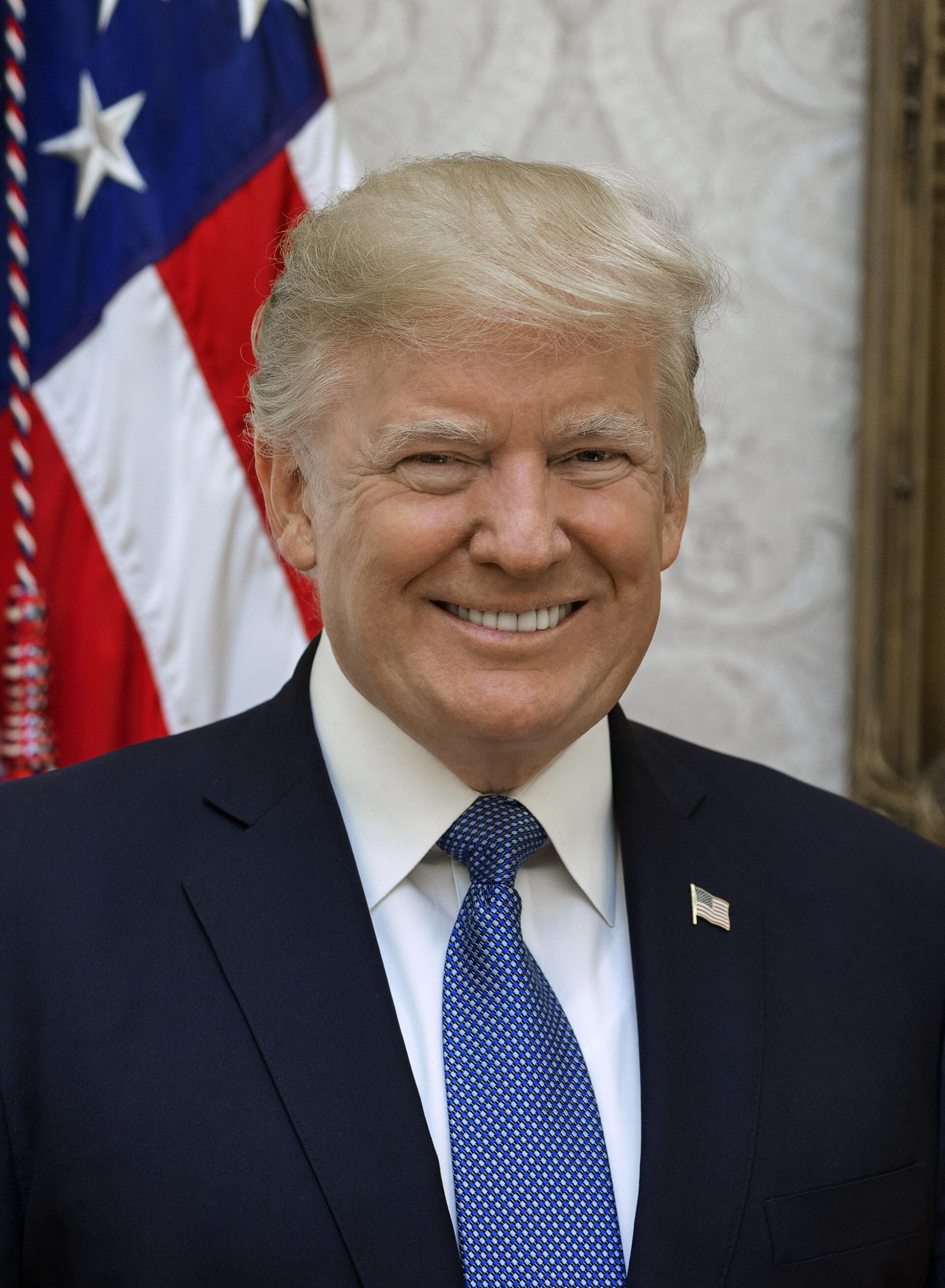
Trump’s response to Alexander Vindman’s primary loss turned an electoral defeat into another chapter of a long-running political feud. The exchange also raises fresh questions about the use of criminal accusations in partisan fights.
Donald Trump called his political nemesis Alexander Vindman a “treasonous creep” and said he should be prosecuted after Vindman suffered a decisive defeat in a Democratic primary election. Trump’s attack, reported Aug. 19, turns Vindman’s failed nomination bid into a renewed confrontation over the former Army officer’s role in Trump’s first impeachment.
The political stakes go beyond one primary loss. Trump’s remarks show how quickly an electoral result can become ammunition in a broader campaign of grievance, particularly when the target is a figure linked to the Ukraine scandal that helped trigger Trump’s 2019 impeachment.
Trump revives a familiar attack
Trump’s language was pointed even by the standards of his long-running feud with Vindman. According to a Washington Post report cited in the available research, Trump described Vindman as a “real treasonous creep” in a social-media post.
The report also said Trump argued that Vindman should be prosecuted. The research provided does not identify a specific criminal charge Trump alleged, a law-enforcement action against Vindman, or any public indication that prosecutors have brought a case.
That distinction matters. A political figure can call for an investigation or prosecution, but criminal cases require evidence, legal authority and decisions by investigators and prosecutors. A social-media demand is not itself a legal proceeding.
Trump has frequently framed actions by opponents, investigators and former officials as disloyal or corrupt. Supporters often see that language as a forceful response to institutions they believe treated him unfairly. Critics say such rhetoric can blur the line between political disagreement and an evidence-based criminal allegation.
Vindman’s loss supplies new ammunition
Vindman lost his bid for the Democratic nomination for a U.S. office, according to the Washington Post’s brief account. The available material does not provide the final vote margin, the identity of the winner or a fuller account of the contest’s local issues.
Still, the result was described in the trend report as a primary “wipeout,” language that signals a clear loss rather than a narrowly contested finish. It ended Vindman’s immediate route to the general election and gave Trump an opening to portray the defeat as a political repudiation.
That is a familiar pattern in national politics: candidates and presidents frequently treat primary results as a verdict on much larger ideological fights. But primary elections can turn on local organization, turnout, district dynamics, fundraising and the choices of a relatively small partisan electorate.
A loss in a Democratic primary does not, on its own, settle the arguments surrounding Vindman’s public service, Trump’s impeachment or the legal claims raised in Trump’s post. It does, however, reduce Vindman’s near-term political platform.
The impeachment history behind the feud
Vindman became a nationally known figure during Trump’s first impeachment inquiry in 2019. As an Army lieutenant colonel assigned to the National Security Council, he raised concerns about Trump’s call with Ukrainian President Volodymyr Zelensky.
The call involved Trump’s request that Ukraine investigate political rival Joe Biden while the United States was withholding congressionally approved security aid to Ukraine. Vindman later testified before the House impeachment inquiry about his concerns over the call and the handling of Ukraine policy.
The House impeached Trump in December 2019 on charges of abuse of power and obstruction of Congress. The Senate acquitted him in February 2020. Those outcomes remain central to the competing narratives around Vindman: Trump allies have often portrayed the inquiry as politically motivated, while Vindman’s defenders have described his testimony as a public servant reporting concerns through official channels.
Vindman retired from the Army in 2020 after more than two decades of service. His emergence as a candidate brought the old conflict back into an electoral setting, even though the primary itself involved voters weighing a current race rather than relitigating impeachment.
Why a prosecution demand carries weight
Trump’s statement is politically consequential because it attaches the language of criminal punishment to a longtime adversary. “Treason” has a precise constitutional and legal meaning in the United States, not simply a broad label for conduct a political opponent considers harmful or disloyal.
The Constitution defines treason narrowly as levying war against the United States or giving aid and comfort to its enemies. Conviction has demanding proof requirements. Nothing in the research supplied here establishes that Vindman has been charged with treason or that a case has been opened against him.
That does not prevent the accusation from having an effect. For Trump’s supporters, the post may reinforce the view that figures associated with the Russia and Ukraine controversies should face more scrutiny. For opponents, it may deepen concerns that the machinery and language of criminal justice are being used as instruments of political retaliation.
The clash also reflects a wider argument over accountability. Elected officials are entitled to criticize former government employees and demand investigations. The unresolved question is whether public calls for prosecution are tied to specific, verifiable evidence—or operate mainly as a political signal to allies.
A primary result, not a legal outcome
Vindman’s defeat changes his immediate electoral prospects. It does not determine whether Trump’s allegations have legal merit, and it does not create a prosecution.
For now, the clearest verified development is the political one: Vindman did not secure the Democratic nomination he sought. Trump responded by escalating a personal attack that reaches back to one of the defining controversies of his first term.
What remains unclear from the reporting is whether Trump intends to press any formal complaint, whether any federal or state authority is reviewing a matter involving Vindman, and how Vindman will respond publicly. Those details would be critical before treating Trump’s demand as anything more than a political accusation.
The episode is a reminder that primary elections can have consequences well beyond the ballot count. In this case, a candidate’s defeat immediately became part of a national argument over impeachment, loyalty, public service and the boundaries between political combat and criminal claims.






Leave a Reply