

Todd Blanche’s confirmation gives President Donald Trump’s former criminal defense lawyer full control of the Justice Department. The close vote also exposed unusual Republican unease over how the department will operate under his leadership.
The Senate confirmed Todd Blanche as attorney general in a 50-49 vote early Saturday, elevating Donald Trump’s former defense lawyer to lead the Justice Department. Blanche, who had been serving as acting attorney general, now takes the job with a full Senate confirmation after a fight that revealed rare Republican resistance.
The result matters because the attorney general directs the nation’s principal federal law-enforcement department, and Blanche’s close confirmation comes amid questions about the Justice Department’s independence, its handling of Trump-related matters and the administration’s plans for people who say they were politically prosecuted.
A narrow vote settles a long fight
The Senate’s 50-49 vote, reported by The Washington Post as taking place at 4:31 a.m. Saturday, gave Blanche a full term as attorney general. The margin underscored how uncertain the nomination had become even though Republicans control the chamber.
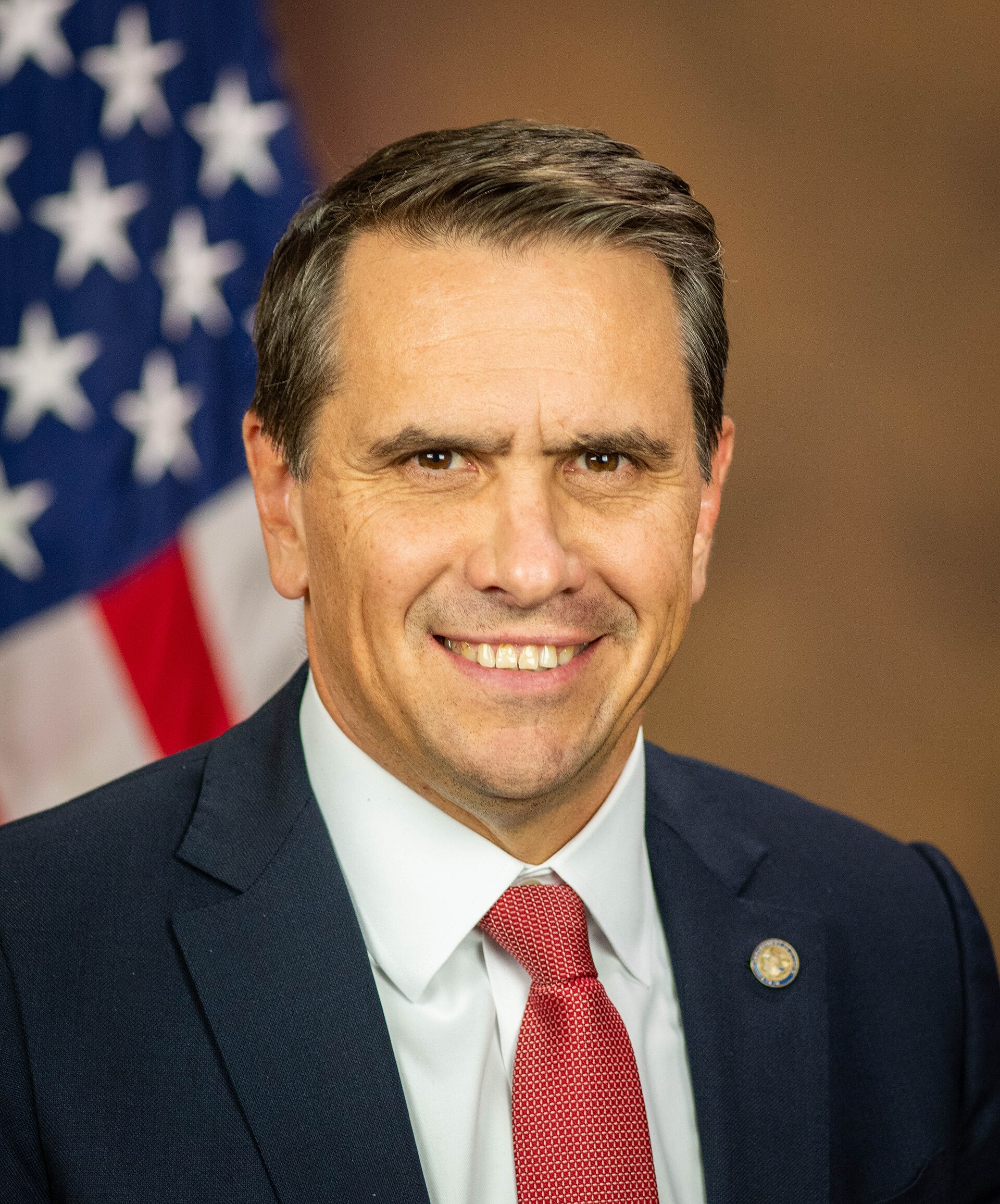
Blanche is best known nationally as Trump’s former criminal defense lawyer. His move from representing Trump personally to running the Justice Department has made the confirmation especially consequential to critics worried about the line between a president’s private legal interests and the department’s institutional duties.
Supporters see a different picture: a lawyer with the president’s confidence who can carry out the administration’s stated law-enforcement priorities. For the White House, the vote ends a period in which one of its most important cabinet-level legal positions had been held on an acting basis.
Republican holdouts shaped the outcome
The decisive pressure did not come only from Senate Democrats. Before the final vote, Republican Sens. John Cornyn of Texas and Thom Tillis of North Carolina had threatened to block Blanche’s nomination in the Senate Judiciary Committee, according to the Associated Press.
Their concerns centered on a proposed $1.8 billion fund tied to the settlement of Trump’s lawsuit against the Internal Revenue Service over the leak of his tax returns. The fund was described as compensation for Trump allies who believe they were prosecuted for political reasons.
AP reported that Cornyn and Tillis agreed to support Blanche after the Justice Department confirmed in writing that it was not moving forward with that fund. After negotiations, Blanche issued an order stating that there was no fund.
That episode helped move his nomination through the Judiciary Committee on a 12-10 party-line vote. It also showed that the confirmation debate was not simply about Blanche’s résumé; it became a test of what assurances senators could obtain from the department he was seeking to lead.
Independence remains the central concern
The attorney general oversees the Justice Department, including federal prosecutors, the FBI and major civil-rights, antitrust and national-security work. The job requires enforcing laws and setting priorities, but it also carries a longstanding expectation that prosecutorial decisions will not be used to reward allies or punish political opponents.
That expectation was central to the opposition from Sen. Susan Collins, the Maine Republican. AP reported that Collins said she would not support Blanche because he had taken actions that “eroded the department’s independence.”
Blanche’s supporters may argue that an attorney general should be accountable to the elected president who appointed him and should be able to redirect an administration’s legal agenda. His critics counter that accountability to a president cannot become personal loyalty, particularly when the president has faced criminal and civil legal battles of his own.
The narrow final tally does not answer that larger dispute. It ensures that Blanche, rather than an acting official, will make decisions that put the issue into practice.
His Trump role will follow him
Former private lawyers have entered government before, and legal representation alone does not disqualify someone from public office. Still, Blanche’s history is unusually prominent because he represented Trump in criminal matters before taking a senior Justice Department role.
That history will intensify scrutiny of how the department handles cases, investigations or policies that touch Trump, his businesses, his associates or his political adversaries. The key question is not whether Blanche once represented Trump; it is whether the department can demonstrate consistent standards once he is attorney general.
Recusal rules, written policies and career-official review processes can provide safeguards in particular matters. Yet many decisions made by an attorney general involve broad priorities rather than a single case, making public explanations and congressional oversight important parts of the accountability system.
What Blanche inherits at Justice
The Washington Post described the Justice Department as having been shaken by vacancies and controversies before the vote. Blanche took over as acting attorney general after Pam Bondi left the role in April, according to AP.
A confirmed attorney general has more political authority than an acting leader to set staffing, litigation and enforcement priorities. That can help an administration execute its agenda more coherently, but it also means Blanche’s choices will carry greater weight across the department.
Early signals to watch include senior personnel decisions, guidance to federal prosecutors, the department’s position in politically sensitive litigation and whether the assurances that helped secure support from Republican senators remain in place.
The confirmation ends uncertainty, not scrutiny
Blanche now has the Senate’s approval, but the 50-49 result is a reminder that his leadership will be judged closely by lawmakers in both parties. The proposed compensation fund became a concrete flashpoint because senators could identify a specific action, seek a written commitment and measure whether the department changed course.
Other disputes may be less clear-cut. Questions involving prosecutorial discretion, civil-rights enforcement and politically charged investigations often unfold over months, with facts emerging gradually and competing interpretations persisting.
For Trump, the confirmation installs a trusted former lawyer at the top of the Justice Department. For the Senate, the close vote leaves an equally clear message: Blanche has won the office, but he will face sustained pressure to show that the department serves the law rather than the president’s personal interests.







Leave a Reply