

A short pro-Trump clip became another proxy battle over the president’s age and fitness. The backlash shows how even flattering posts can be turned against him online.
Donald Trump is being mocked after a clip was shared by one of his aides, described in tabloid coverage as his “most beautiful” aide. The Mirror US reported that critics seized on the post and predicted a “care home incoming” scenario, turning a short pro-Trump video into another online argument about his public presentation, age and fitness.
The reaction matters because Trump’s political brand is built for viral clips. But the same format that lets allies project energy and dominance also gives critics a fast way to frame an awkward moment as evidence of decline.
A flattering clip turns sharp
The clip was shared by a Trump aide as friendly, image-building content, the kind of quick social post that campaigns and White House teams now use to bypass traditional news coverage. According to The Mirror US, critics instead latched onto Trump’s appearance in the video and used it to mock him.
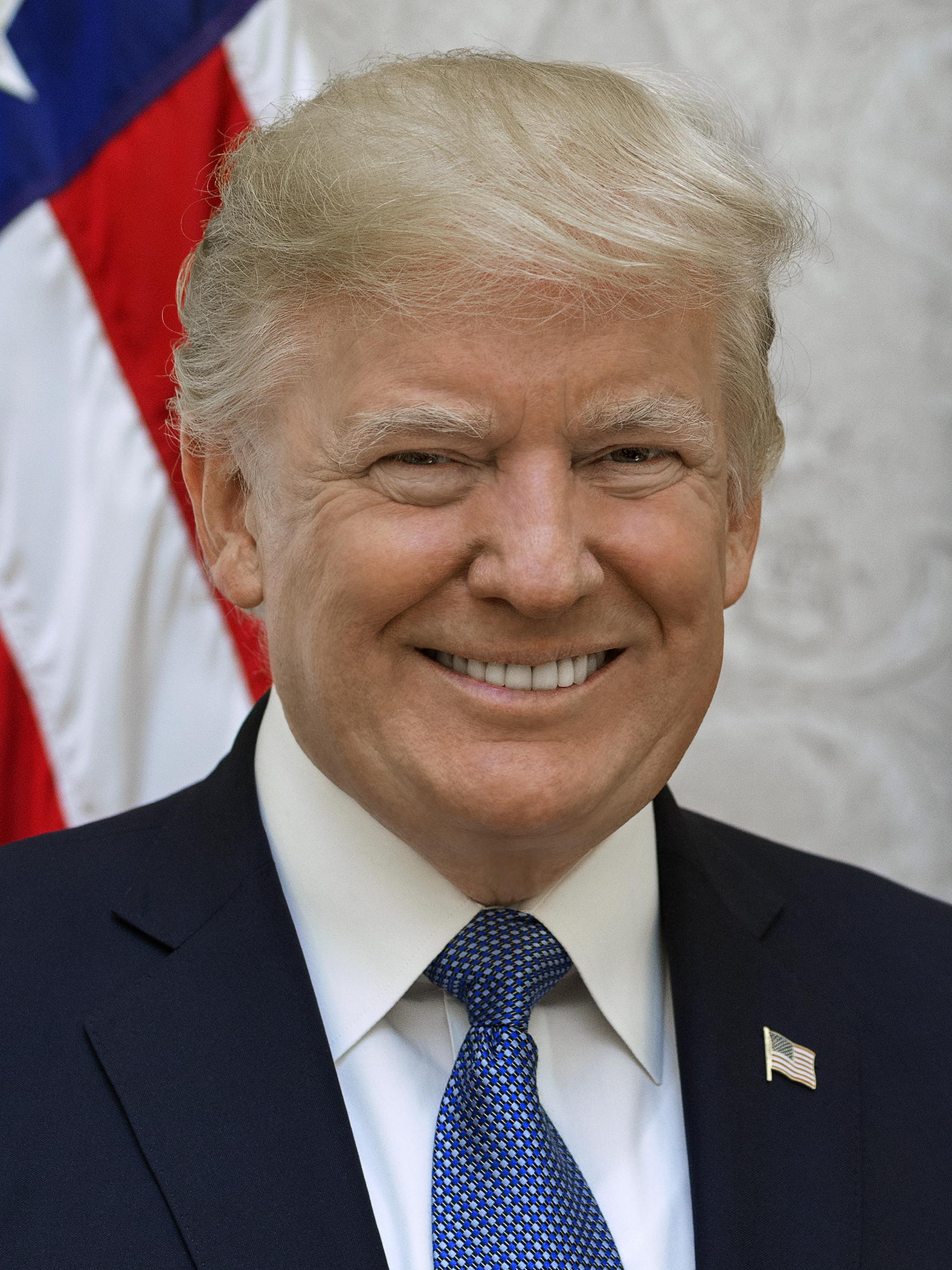
The phrase “care home incoming” was the bluntest version of that backlash. It was not a medical assessment. It was a social-media insult aimed at suggesting Trump looked old, confused or diminished in the clip.
That distinction matters. A short video, especially one clipped for social platforms, cannot prove anything about a public figure’s health. It can, however, feed a political narrative if viewers are already primed to see weakness.
For Trump critics, the clip became useful because it seemed to puncture the image his team was trying to project. For supporters, the backlash is likely to look like another example of opponents over-reading a moment and turning ordinary footage into an attack.
Why the joke spread
Trump has long relied on performance: the walk-on, the raised fist, the nickname, the rally riff, the camera-ready gesture. That makes his physical presentation part of the message, not just background scenery.
When a video lands awkwardly, opponents do not have to build a complicated argument. They can attach a short phrase to it and let the clip circulate. “Care home incoming” works online because it is cruel, simple and instantly legible.
It also lands in a political environment where age has become a standing issue for presidential candidates and presidents. Voters have watched both parties weaponize stumbles, verbal slips and frail-looking moments, often with little context.
The risk is that public scrutiny can slide into armchair diagnosis. Political leaders should be scrutinized, especially when they seek or hold extraordinary power. But social media often rewards the harshest interpretation before the fuller context appears.
Trump’s video machine cuts both ways
The latest criticism fits a larger pattern around Trump’s online persona. His team and allies understand that short clips can dominate a news cycle faster than a policy paper or a formal speech.
The Guardian reported on July 2 that Trump posted an AI-generated video portraying himself as a doctor treating critics for “Trump derangement syndrome,” a phrase he and his allies use to dismiss opposition to him. The video featured fabricated versions of celebrities, including figures presented as regretful critics.
That kind of content is designed to entertain supporters and provoke opponents. It blurs politics, trolling and spectacle, then dares critics to respond. When they do, the response itself becomes part of the distribution strategy.
But the same ecosystem is unforgiving to Trump. If his side posts a clip meant to flatter him, critics can clip the clip, caption it differently and convert it into ridicule. Control over the original post does not guarantee control over the meaning.
Supporters see hostile spin
There is another side to the reaction. Trump’s supporters often argue that media outlets and online critics treat him with a standard they would not apply to Democrats. To them, a “care home” joke is not accountability; it is mockery dressed up as concern.
They also see Trump’s aggressive social-media style as a strength. In that view, the aide’s post was simply part of the political show: keep the president visible, keep supporters engaged and keep opponents reacting.
The White House has previously defended Trump’s provocative posting as part of his right to communicate. In The Guardian’s July report about the AI doctor video, White House spokesperson Davis Ingle said posting it was Trump’s “right” and used the same “Trump derangement syndrome” language to criticize opponents.
That response captures the broader strategy. Trump’s orbit rarely treats outrage as a reason to retreat. More often, outrage is treated as proof that the message hit its target.
The age fight is not going away
The “care home incoming” jab is harsh, but it connects to a real political pressure point: voters want confidence that national leaders are physically and mentally capable of doing the job.
That concern is not unique to Trump. Recent American politics has made age scrutiny bipartisan, relentless and often brutal. Video snippets are now used as shorthand for larger arguments about stamina, judgment and command.
There is a responsible way to cover that issue. It means focusing on documented behavior, official medical disclosures, public schedules, decision-making and direct statements from credible sources. It does not mean treating every odd facial expression or clipped moment as proof of impairment.
Still, campaigns understand perception. If a video creates an impression that works against a candidate, the factual limitations of the clip may not stop the political damage.
What remains unclear
The available trend report identifies the backlash and the “care home incoming” line, but it does not establish every detail needed to fully judge the clip: the complete context, who filmed it, how it was edited, and what happened immediately before or after.
Those gaps are important. Social platforms often strip away context, while partisan accounts add captions that tell viewers what to think before they watch.
What is clear is the dynamic. A Trump aide shared a clip meant to boost him. Critics turned it into a joke about decline. Supporters are likely to dismiss that as bad-faith hostility. And the broader fight over Trump’s image, age and online spectacle will keep absorbing even small videos into a much bigger argument.
The takeaway is not that one viral insult proves anything. It is that Trump’s social-media operation is now operating in an environment where every image meant to project strength can also become a test of whether viewers see strength at all.




Leave a Reply