
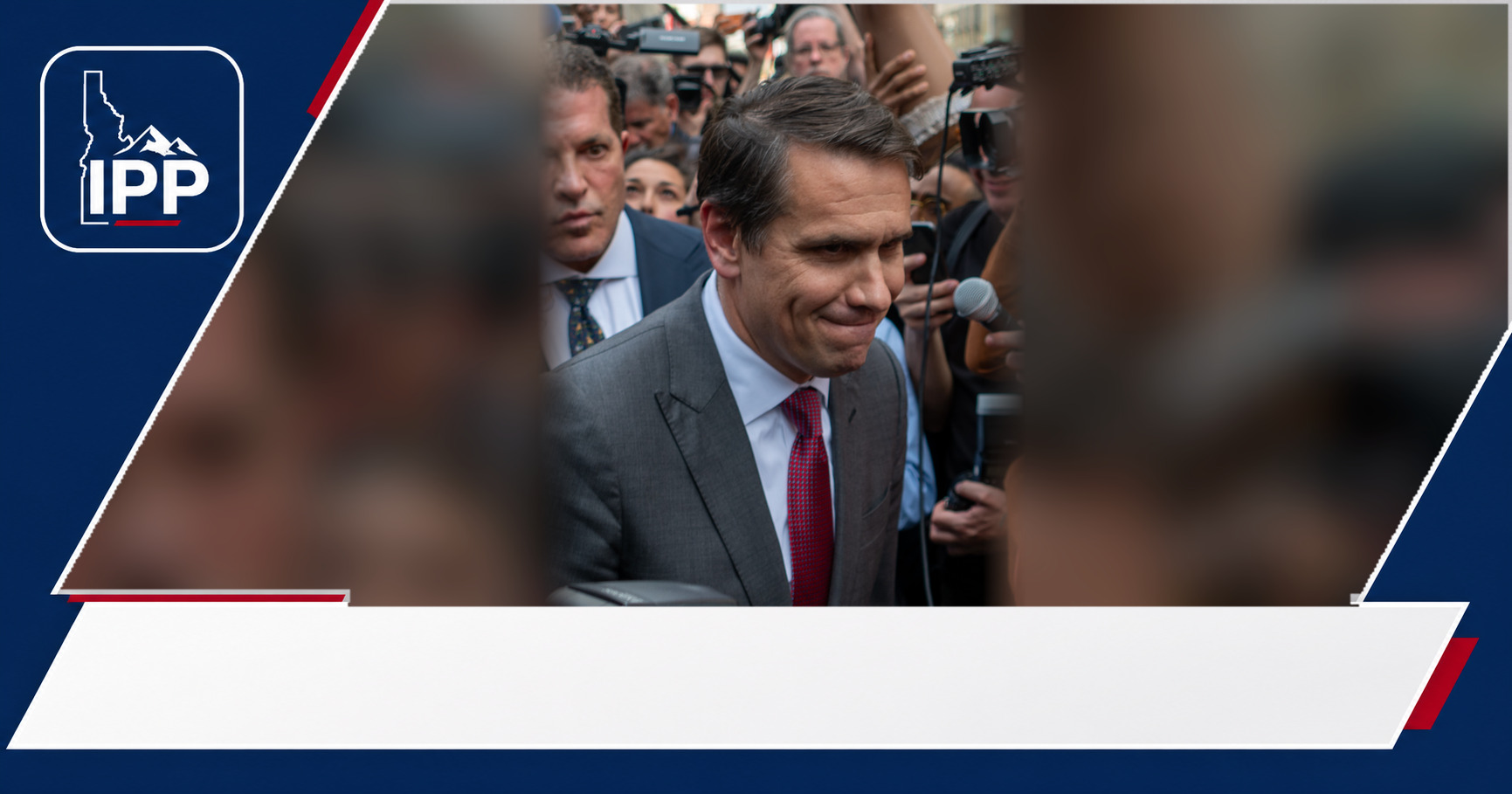
A dispute over a $1.776 billion DOJ-backed fund has become more than a side issue. It now tests whether Blanche can reassure senators that the department will not turn political grievance into government policy.
Todd Blanche’s nomination is uncertain after a key GOP senator said the Justice Department has not responded to a demand to eliminate the controversial fund known as the anti-weaponization fund. The fund is a sticking point in his confirmation process, and Blanche testified before the Senate Judiciary Committee on July 15, 2026, as questions persisted over whether the DOJ-backed fund was alive, dead or being quietly revised.
The fight matters because the fund is not an ordinary policy memo. DOJ’s own announcement tied it to President Donald Trump’s tax-records lawsuit against the IRS and said it would receive $1.776 billion from the federal judgment fund to compensate people claiming government weaponization or lawfare.
A nomination snagged by money
Blanche is seeking confirmation as attorney general while already occupying a central role at the Justice Department. That dual posture makes the fund harder for senators to treat as someone else’s problem.
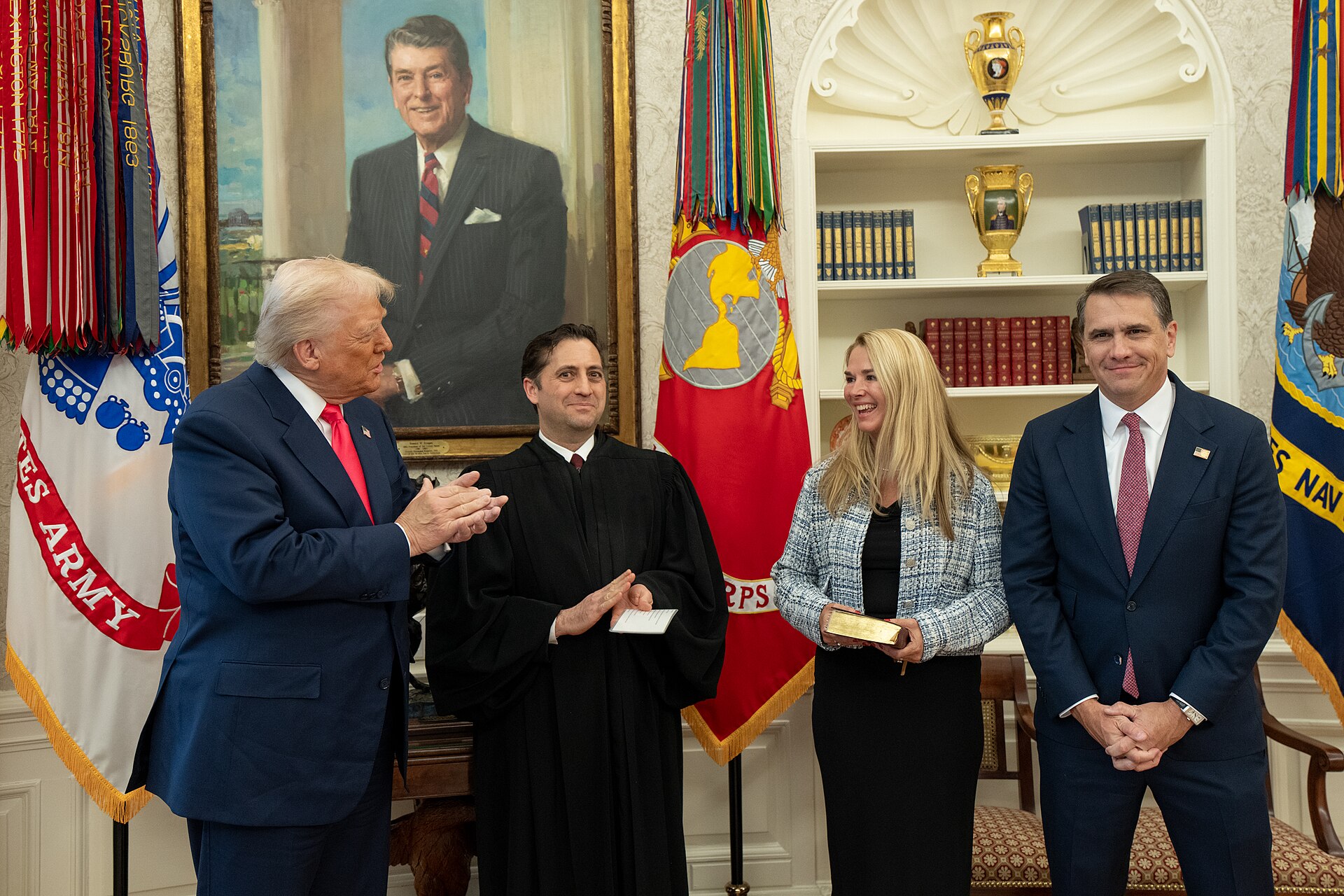
According to CNN’s account of the dispute, a key Republican senator said DOJ had gone “radio silent” on a demand to spike the fund. That is politically notable because Blanche’s confirmation math depends not only on Democratic opposition, but on whether Republicans are comfortable defending the department’s plan.
Reuters reported that Blanche told the Senate Judiciary Committee the planned fund was “dead,” while acknowledging that the underlying settlement had not been fully resolved. That distinction is now the pressure point: senators are being asked to evaluate a nominee whose department announced a sweeping fund, then signaled it may not proceed as first described.
The fund’s unusual design
The Justice Department announced the anti-weaponization fund as part of a settlement agreement in President Donald J. Trump v. Internal Revenue Service. DOJ said the case followed the leak of Trump family tax records and involved plaintiffs including Trump, Donald Trump Jr., Eric Trump and the Trump Organization.
Under DOJ’s announcement, the plaintiffs would receive a formal apology but no monetary payment or damages. In exchange, they would drop the IRS lawsuit with prejudice and withdraw two administrative claims connected to the Mar-a-Lago search and what DOJ’s announcement called the Russia-collusion hoax.
The broader tradeoff was the creation of a fund for other claimants who say they were harmed by “weaponization” or “lawfare.” DOJ said the fund could issue formal apologies and monetary relief, would accept voluntary claims, would have no partisan filing requirement and would return leftover money to the federal government.
- Funding source: DOJ said the fund would receive $1.776 billion from the judgment fund, a standing federal appropriation used to pay certain settlements and judgments.
- Oversight terms: DOJ said the fund would send quarterly reports to the attorney general and could be audited at the attorney general’s direction.
- End date: DOJ said the fund would stop processing claims no later than December 1, 2028.
Why GOP resistance matters
Opposition from Democrats would be expected in a nomination fight involving Trump, the IRS, Mar-a-Lago and claims of political weaponization. The more dangerous signal for Blanche is skepticism from inside his own party.
A Republican senator’s demand to eliminate the fund cuts against a simple partisan frame. It suggests that at least some GOP concern is institutional: whether DOJ should be creating a large claims process tied to politically charged grievances, especially when the money would come from a federal judgment fund rather than a new congressional appropriation.
Supporters of the idea argue that people wrongly targeted by government power deserve a path to redress. DOJ’s own announcement framed the fund in those terms, saying the machinery of government should never be weaponized against any American.
Critics see a different risk. A fund built around subjective claims of lawfare could become a magnet for politically aligned complaints, even if the formal rules say there are no partisan requirements. The concern is not only who gets paid, but who decides what counts as weaponization.
Blanche’s problem is credibility
Blanche’s confirmation hearing was not an abstract seminar. The Senate Judiciary Committee notice listed the July 15 hearing at 9 a.m. in Hart Senate Office Building Room 216 for “The Nomination of the Honorable Todd Blanche to be Attorney General of the United States.” That setting put him directly before senators who can slow, reshape or reject his path forward.
His reported position that the planned fund is “dead” may have been intended to reassure skeptical senators. But if DOJ has not formally answered demands to eliminate it, the reassurance may not be enough.
That is because confirmation fights often turn on paper, not just promises. Senators can ask for settlement documents, legal memos, funding justifications, implementation plans and written commitments. If the department’s public announcement says one thing and the nominee’s testimony suggests another, lawmakers will want to know which version controls.
There is also a chain-of-command issue. If Blanche helped announce or defend the fund as acting attorney general, senators may press him on whether he now believes it was lawful, wise, both or neither. A nominee can change course, but Senate committees tend to ask when, why and under whose authority.
What the committee can demand
The Senate Judiciary Committee does not need to resolve every legal dispute around the fund before voting. But it can make the nomination uncomfortable by insisting on clarity before Blanche advances.
The immediate demands could be straightforward: a written DOJ response to the senator’s request, confirmation that no claims are being processed, an explanation of whether the settlement terms have changed and a legal rationale for using the judgment fund.
Those details matter because the judgment fund is not a political slush drawer; it is a federal payment mechanism with rules. DOJ’s announcement described precedent, including the Keepseagle case, a settlement fund created during the Obama administration to address discrimination claims involving Native American farmers. But invoking precedent does not end the debate over whether this fund is comparable.
The comparison may invite more questions. Keepseagle involved a class of claimants alleging discrimination over decades. The anti-weaponization fund, as described by DOJ, would cover people claiming government targeting for political, personal or ideological reasons. That category could be far broader and more contested.
The question still unresolved
For now, the fund’s status is the central uncertainty. DOJ announced it. Blanche reportedly told senators the planned fund was dead. A key GOP senator says DOJ has not answered a demand to eliminate it. Those three facts cannot all function as a clean resolution.
Blanche’s nomination can still move if Republican support holds and the department gives senators enough written assurance. It can also stall if the fund becomes proof, for critics, that DOJ under Blanche would blur the line between remedying real abuses and rewarding political narratives.
The practical takeaway is simple: this is no longer just a fight about one nominee’s résumé. It is a confirmation test over how much discretion the Justice Department has to turn claims of political weaponization into a billion-dollar compensation system, and whether the Senate will accept verbal assurances that the system is gone.










Leave a Reply