
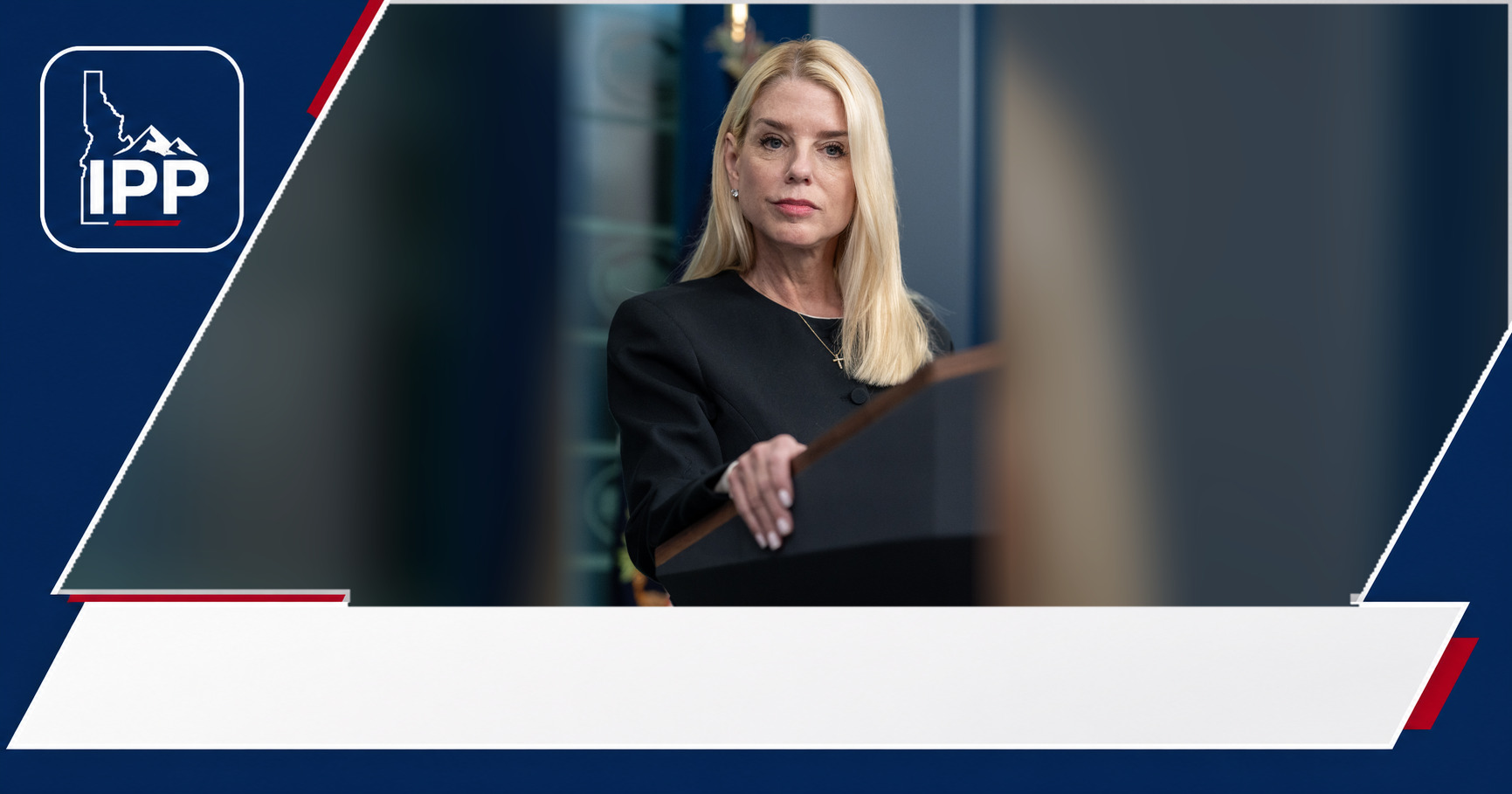
The exchange puts a familiar but consequential question back at the center of the attorney general confirmation fight: who decides when the Justice Department acts? Blanche says he is not a presidential yes-man, while critics point to his close ties to President Donald Trump.
Todd Blanche refused to pledge that the Department of Justice would remain independent from the White House, reviving concerns about White House influence over federal law enforcement. The question of DOJ independence from the White House is central to scrutiny of Blanche, President Donald Trump’s former personal lawyer and nominee to lead the department.
The immediate dispute is over what Blanche’s answer signals. Supporters can argue that an attorney general is part of an elected administration and cannot operate in a political vacuum; critics say refusing a straightforward commitment leaves a vital safeguard against political prosecutions and preferential treatment looking less secure.
Why the pledge matters
The Justice Department is an executive-branch agency, and the attorney general ultimately serves a president. That basic constitutional reality has always made “independence” a more complicated idea than full separation.
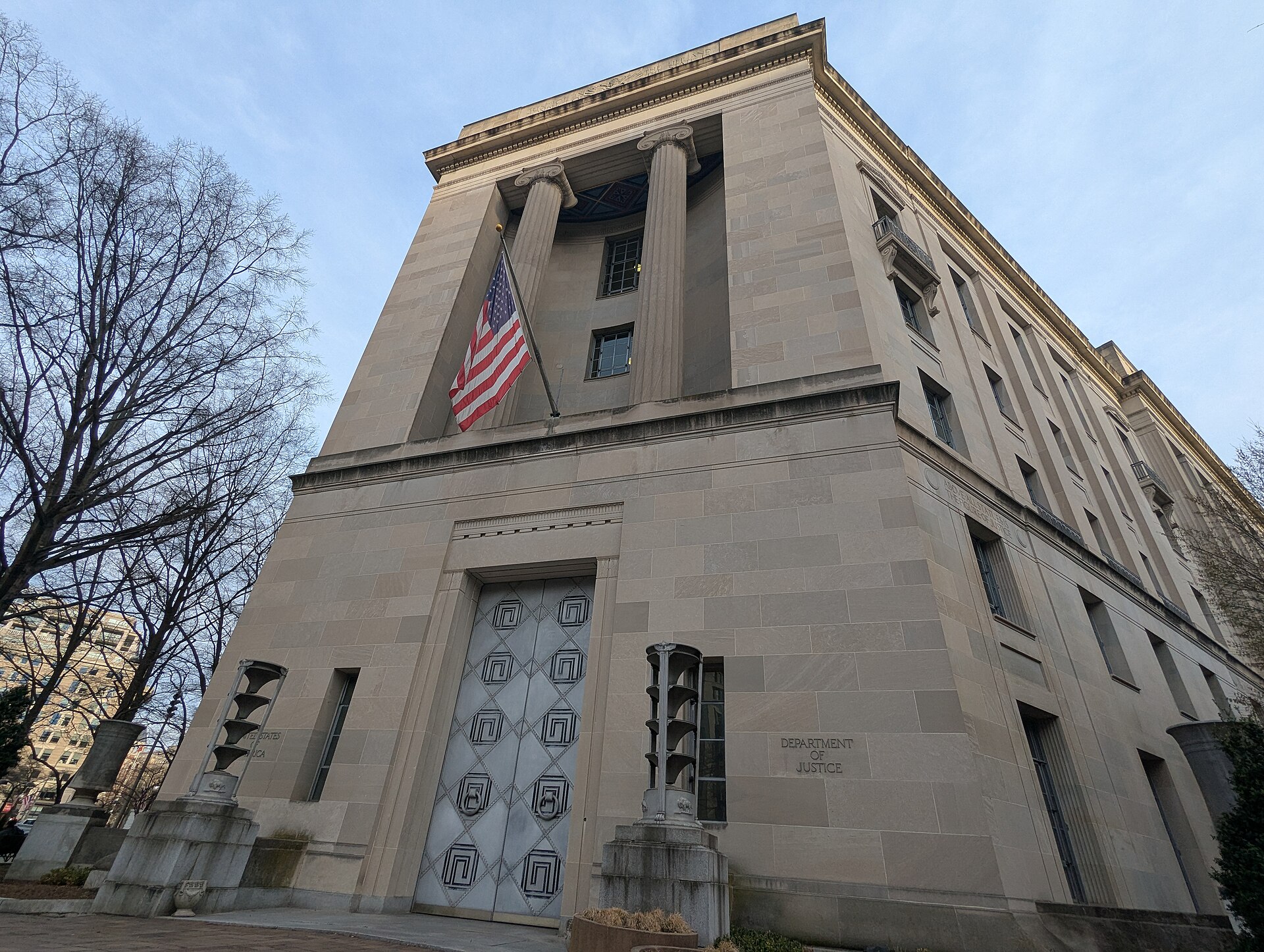
In practice, the phrase usually means that decisions about individual investigations, criminal charges, plea agreements and evidence should be made under legal standards rather than on presidential demand. White House officials may set broad priorities, but direct intervention in specific criminal matters is widely viewed as dangerous because it can make justice look selective.
That distinction is crucial. A president can campaign on fighting violent crime, immigration enforcement or corporate fraud. The harder question is whether the president or close aides should be able to steer a case involving a political rival, an ally, a donor, a family member or the president personally.
No administration entirely eliminates contact between the White House and DOJ. The safeguard is the expectation that those contacts are limited, documented where appropriate and not used to dictate outcomes in particular matters.
Blanche faces a trust test
Blanche’s relationship with Trump is at the heart of the confirmation debate. He previously represented Trump as a private defense lawyer and is now deputy attorney general, a history that has made senators focus closely on whether he would serve the institutional interests of the department or the personal interests of the president.
NPR reported that Blanche described himself during his Senate confirmation hearing as a longtime Justice Department figure, having worked there as an intern, paralegal and prosecutor. He also said he was not a “yes-man” and argued that his period representing Trump should not eclipse the rest of his legal career.
Those statements offer Blanche’s broader defense: professional experience and a career inside the department, he says, should count alongside his service as Trump’s lawyer. The concern raised by the refusal to make an explicit independence pledge is that experience alone does not answer what he would do when the White House and DOJ’s legal judgment conflict.
That is why the wording matters. A nominee can say he will follow the law, but senators and watchdogs often seek a more concrete assurance that he will decline improper presidential requests, including requests that might help friends or hurt opponents.
Critics cite a damaged institution
Democratic senators used Blanche’s hearing to argue that the department’s credibility has already been weakened. NPR reported that Rhode Island Sen. Sheldon Whitehouse cited judicial criticism, rejected indictments and findings of misconduct as evidence of serious institutional trouble.
Blanche offered a competing account, pointing to DOJ efforts to prosecute violent crime and protect public safety. That contrast reflects a larger partisan divide: critics emphasize the department’s reputation for evenhandedness, while supporters emphasize crime enforcement and accountability for what they see as past government abuses.
Both concerns can exist at once. Prosecutors are expected to pursue crime aggressively, but their authority depends heavily on public confidence that they are applying the same rules to people with power and people without it.
When judges, jurors or the public suspect that a prosecution was politically ordered, even a legally sound case can face deeper skepticism. Conversely, a department that appears reluctant to investigate powerful figures can draw a different version of the same criticism.
Independence is not absolute
There is a reasonable argument against treating DOJ independence as though it means an unaccountable fourth branch of government. The president is elected, sets executive-branch policy and appoints the attorney general. Voters can reasonably expect an administration to carry out its stated priorities.
But operational independence in individual cases is meant to protect the president as well as potential targets. It reduces the chance that an administration will be accused of using criminal law as a weapon, and it helps prosecutors defend their work as grounded in facts and law.
The practical challenge is drawing the line. Senior White House and Justice Department officials may need to discuss national-security threats, broad policy priorities or major public-safety emergencies. Direct pressure over whether a named person is investigated, charged or granted special treatment is far more problematic.
For that reason, an independence pledge is not merely ceremonial language. It is a public commitment to how an attorney general would handle the moment when political loyalty and prosecutorial judgment point in different directions.
Questions senators will keep pressing
Blanche’s confirmation prospects depend on more than one exchange. NPR reported that senators also questioned him about investigations involving Trump’s political foes, the handling of files related to convicted sex offender Jeffrey Epstein, and a proposed fund for people claiming they were victims of government “weaponization.”
Those topics give the independence debate real-world stakes. Senators are likely to seek specifics on whether Blanche would recuse himself from matters involving Trump, how he would respond to a presidential request concerning an individual case, and what internal rules would govern White House contacts.
Some answers may be limited by ethics rules, ongoing matters or the traditional reluctance of nominees to preview prosecutorial decisions. Still, the public standard is not simply whether an attorney general can cite the law; it is whether the department can show that law is being applied without favoritism.
Blanche has said he is not a yes-man. His refusal to pledge DOJ independence from the White House ensures that the Senate debate will remain focused on what that assurance would mean when it is tested.
The larger issue outlasts one nominee
The dispute is bigger than Todd Blanche. Every president wants appointees who share the administration’s agenda, and every Justice Department faces pressure when its work touches politics, elections, powerful corporations or the president’s own circle.
But DOJ’s legitimacy rests on more than winning cases. It rests on the public belief that prosecutors can say no—to political allies, to critics and, when necessary, to the White House.
That is the unresolved significance of Blanche’s answer. It does not by itself establish how he would run the department, but it puts the burden on him to explain what limits he believes should govern presidential influence over federal law enforcement.




Leave a Reply