
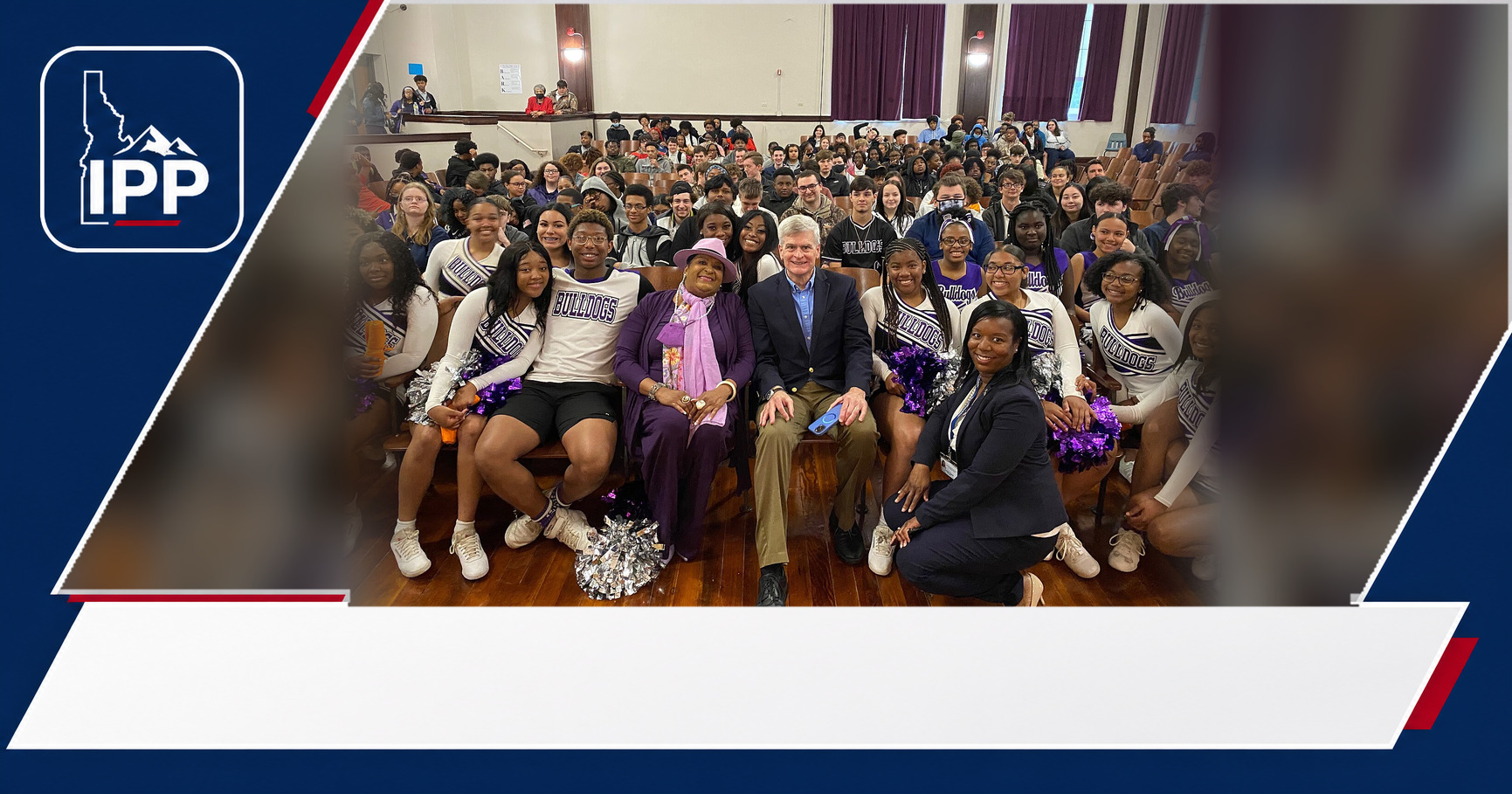
Cassidy says his vote for Robert F. Kennedy Jr. was meant to create guardrails around a controversial health secretary. His latest comments suggest he now believes those guardrails have failed.
Bill Cassidy claims that RFK Jr. misled him to secure his confirmation vote. The Louisiana Republican says he voted to confirm Robert F. Kennedy Jr. as secretary of the Department of Health and Human Services because Kennedy made commitments meant to serve as policy guardrails. Cassidy now says those commitments were violated, leaving him doubtful of what Kennedy can be trusted to do next.
The clash matters because it reaches beyond one senator’s regret. HHS decisions affect federal vaccine guidance, public-health messaging and the agencies Americans rely on during outbreaks. Cassidy’s account also raises a harder question about the Senate’s role: What happens when a confirmation vote rests on assurances that are later disputed?
Cassidy says trust has broken down
In an interview on CBS News’s Face the Nation, Cassidy said it was “easy to surmise” that Kennedy made promises to obtain his confirmation vote for political expediency. He said the commitments made to him had been violated.
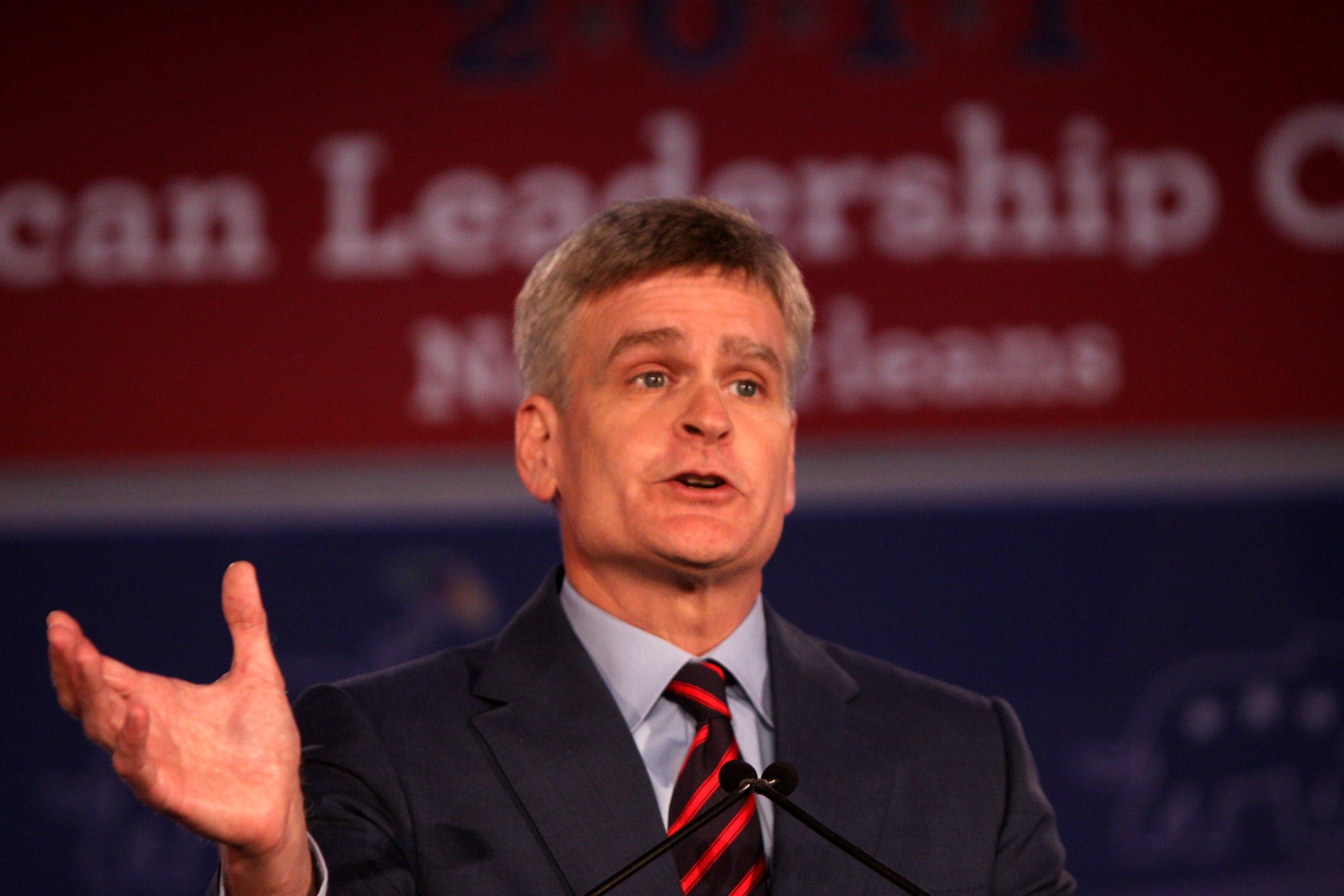
Cassidy did not present the dispute simply as a difference of opinion. He described it as a rupture of trust, arguing that once an official breaks an agreement, it becomes difficult to assess future assurances or actions.
That is a significant shift in tone from the rationale Cassidy offered for backing Kennedy. Rather than saying he expected to agree with Kennedy on every health issue, Cassidy said he believed confirmation would give the Senate leverage and put limits around Kennedy’s role.
The vote was framed as guardrails
Cassidy, a physician and a prominent Senate voice on health policy, faced pressure over his vote to confirm Kennedy, whose views on vaccines had long drawn criticism from medical groups and public-health advocates.
His explanation was strategic: Kennedy, Cassidy said, would have the president’s ear regardless. Cassidy argued that confirming him as HHS secretary with commitments attached was preferable to seeing him wield influence from another White House position without comparable guardrails.
“Either he was going to be in a position where there were guardrails,” Cassidy said, “or he was going to be appointed White House health czar,” where he could retain presidential access without them.
That calculation is now at the center of the controversy. Cassidy’s new comments amount to an acknowledgment that the protections he believed he had negotiated may not have held.
A CDC page became the flashpoint
Cassidy pointed to a dispute involving a Centers for Disease Control and Prevention webpage on autism and vaccines. The page includes an asterisk stating it was not removed because of an agreement with the chair of the Senate Health, Education, Labor and Pensions Committee.
For Cassidy, that notation is evidence of a broken agreement. He said the page should not disappear because the evidence does not support the claim that vaccines cause autism.
The assertion of a vaccine-autism link has been repeatedly discredited by scientific research. Still, the argument remains politically potent, particularly when it is amplified by officials overseeing federal health agencies.
The episode shows why a seemingly technical website decision can become a larger test of public-health authority. CDC language is often treated by patients, clinicians, local governments and schools as a signal of the federal government’s position.
Public health is the larger fight
Cassidy said Kennedy had not restored trust in public health. He cited polling that, in his view, shows Americans broadly understand the importance of vaccines, and he pointed to a measles outbreak in which thousands of children were infected.
His argument is that federal health leadership should reinforce evidence-based immunization messaging rather than cast doubt on it. That puts Cassidy at odds with Kennedy’s long record of skepticism around vaccines and vaccine policy.
Critics of Kennedy see Cassidy’s comments as validation of warnings raised during the confirmation process: assurances made in hearings, they argue, were insufficient protection against major shifts inside HHS and its agencies.
Supporters of Kennedy may counter that he was confirmed to challenge established public-health practices and that agency policies deserve scrutiny. The unresolved issue is where scrutiny ends and actions that could weaken confidence in proven vaccines begin.
HHS staffing adds to concern
Cassidy also described wider management problems at HHS, citing several leaders serving in acting positions and the absence, at the time of his comments, of a Senate-confirmed surgeon general and CDC director.
He said he was impressed by nominees for the latter two positions and expected progress. But his concerns about staffing underscore the practical stakes of the fight: major health agencies require stable leadership during outbreaks, vaccination campaigns and emergencies.
The Hill reported that it sought comment from HHS on Cassidy’s remarks. The available report did not include a response from the department or from Kennedy addressing Cassidy’s claim that commitments were broken.
Congress faces a test of oversight
The dispute is likely to intensify pressure on Congress to examine HHS policy decisions and the circumstances surrounding Kennedy’s confirmation. Sen. Bernie Sanders, the ranking member of the Senate health committee, has already urged Cassidy to investigate Kennedy’s actions involving vaccine policy and a key vaccine advisory committee.
Sanders also released HHS and CDC emails that he said shed light on decisions involving flu-vaccine campaigns, access to vaccines, COVID-19 recommendations and research connected to the false claim linking vaccines and autism. Those documents add political urgency but do not, by themselves, settle Cassidy’s specific allegation about his private commitments with Kennedy.
For now, the clearest point is Cassidy’s own: he says he voted for Kennedy believing Senate-backed guardrails would matter. Whether those guardrails were clearly defined, enforceable or honored remains at the heart of a dispute with consequences far beyond one confirmation vote.




Leave a Reply