

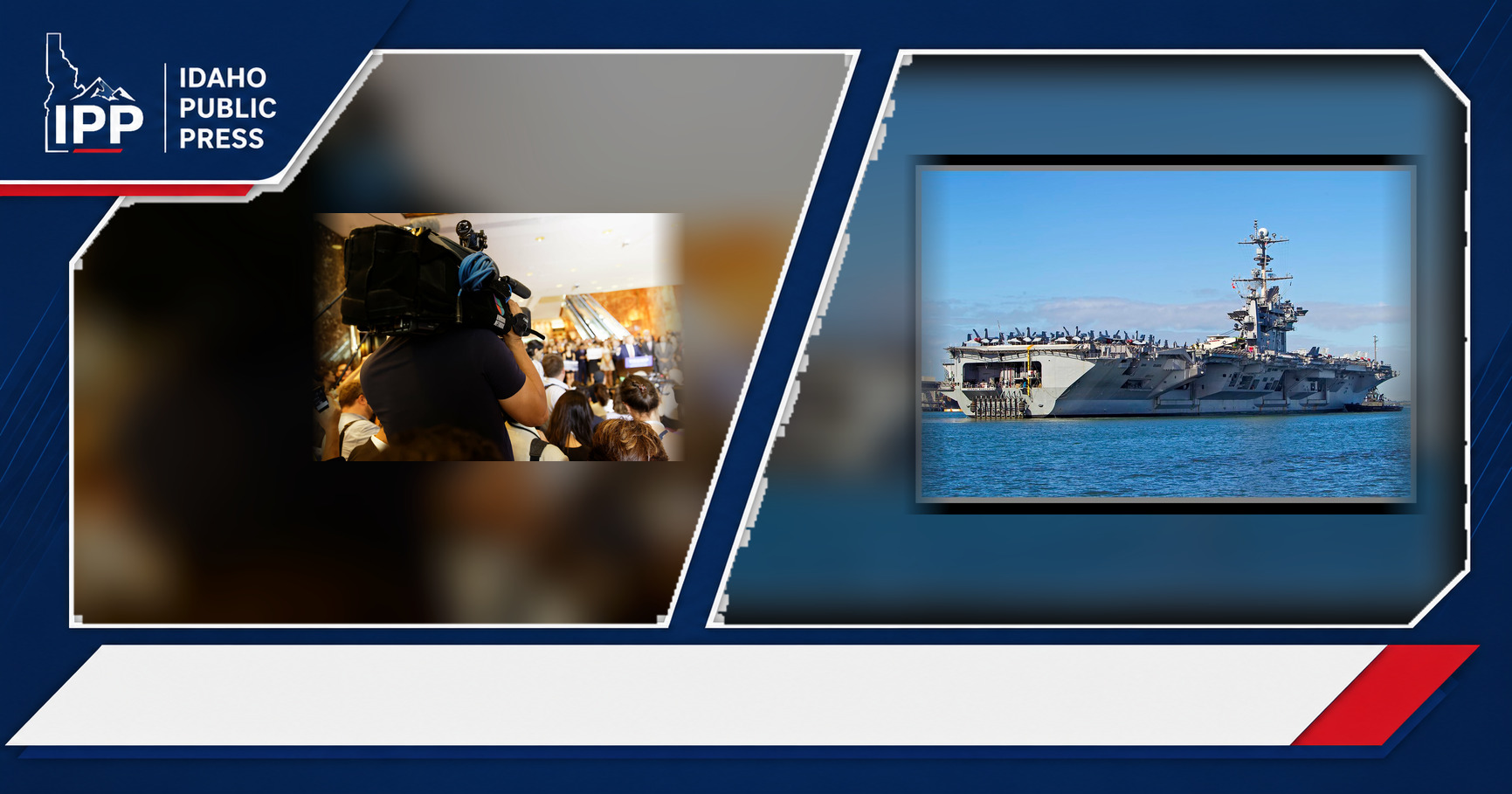
The dispute over the USS Abraham Lincoln is about more than a long deployment: it has become a test of whether the Pentagon is adequately supporting sailors during a prolonged mission. Officials acknowledge strain but contest claims that the ship’s crew has been neglected.
Sen. Ruben Gallego blamed the Trump administration for reported conditions aboard the USS Abraham Lincoln, calling the situation a “true lack of leadership.” The Arizona Democrat says the carrier’s nearly nine-month deployment raises questions about planning, oversight and support for roughly 5,000 sailors.
The Trump administration and Navy leaders dispute the bleakest descriptions of life on the USS Abraham Lincoln. But reports of food limitations, plumbing problems and mounting mental-health concerns have turned an extended wartime deployment into a broader argument over how much strain a crew can reasonably be asked to absorb.
Gallego targets planning and oversight
Gallego’s central criticism is not simply that the USS Abraham Lincoln stayed at sea too long. He argues that the Trump administration did not have an adequate plan for managing the human cost of the mission as it stretched on.

Speaking to NPR’s Morning Edition, Gallego said the administration was “just kind of winging it right now” and described the Pentagon’s handling of the deployment as “not proper leadership.” His comments followed reports from sailors’ relatives about deteriorating conditions aboard the aircraft carrier.
Gallego said he and other lawmakers should be allowed to visit the crew in a bipartisan delegation, both to check on sailors directly and to evaluate official accounts. That request puts the fight on familiar Washington ground: whether Congress can independently verify conditions during a sensitive military operation.
The phrase “true lack of leadership” sharpens the political charge. It frames the issue as a failure at the top of the administration rather than an unavoidable consequence of a difficult naval mission.
Families describe a fraying deployment
According to NPR, the USS Abraham Lincoln had been at sea for nearly nine months when the dispute intensified. A U.S. defense official who was not authorized to speak publicly told the outlet that the USS George Washington was en route to relieve the Lincoln.
Families have described sailors who are exhausted, discouraged and struggling with the length and uncertainty of the deployment. One grandmother told NPR that her grandson remained physically and mentally safe, as far as she knew, but had become depressed and was eager to leave the Navy after what had once been a dream assignment.
The reported concerns include food shortages or changes to meal plans, plumbing issues, restricted communication with home and declining mental health. NPR also reported allegations that some sailors may have attempted to jump overboard, while stressing that it had not independently confirmed those reports.
That distinction matters. Relatives’ accounts can offer a crucial window into shipboard life, particularly when sailors may fear professional consequences for speaking publicly. They are not, on their own, a complete operational record of what happened aboard the carrier.
The Navy contests key claims
Acting Navy Secretary Hung Cao acknowledged that the Lincoln’s mission was extended because of the conflict with Iran and said sailors had been pushed hard. His statement offered a markedly different account of the reported breakdowns.
Cao said a small number of mental-health cases had been treated with no loss of life. He said meal plans were adjusted when fresh resupply was unavailable, but that no meal was missed. Calls home, he said, were limited when the operational threat was too high.
Defense Secretary Pete Hegseth has also said media reports about conditions aboard the carrier were “misrepresented.” The administration’s position is that the crew remained capable, supplied and engaged in an essential mission despite the unavoidable burdens of an extended deployment.
Those statements do not erase the concerns raised by families or lawmakers. They do show that the public picture remains contested, with different parties emphasizing different measures of well-being: whether meals were technically provided, whether urgent care was available, or whether sailors faced an unsustainable accumulation of stress.
A long deployment carries real costs
Aircraft carriers are designed to operate for long stretches, and sailors train for separation, changing schedules and demanding conditions. Yet duration can change the nature of hardship. A mission that is manageable in its early months may pose different risks when fatigue, delayed relief and limited contact with family compound.
Julie Roland, a former Navy helicopter pilot, told NPR that the focus should extend beyond the ship’s return. She said the roughly 5,000 sailors coming home may need meaningful support as they transition from a tightly controlled, high-pressure environment back to normal life.
Her point is not that every sailor will experience a lasting problem. It is that military readiness includes recovery, reintegration and access to care—not merely completing the immediate assignment.
For the Pentagon, that is a practical issue as well as a moral one. Retention, morale and confidence in command can all be affected by how sailors and their families believe the service responded when conditions became difficult.
Why congressional access is central
Gallego’s proposed bipartisan visit is a demand for a shared factual baseline. If lawmakers could meet sailors and commanders, they might assess whether the reported problems are isolated, systemic, resolved or ongoing.
There are legitimate constraints on such visits. A carrier operating in a conflict zone faces security concerns, shifting schedules and operational secrecy. The military also has to avoid creating disruptions that could compromise the mission or place personnel at additional risk.
Still, lawmakers have an oversight role over military funding, readiness and personnel policy. The tension is not unusual: Congress seeks independent visibility, while the executive branch and military leaders seek to protect operational control.
The unanswered question is whether the administration will provide enough information to satisfy critics without exposing details that could affect the carrier’s mission. Public statements so far have not settled the gap between family accounts and official reassurances.
The relief ship may not end debate
The USS George Washington’s reported move to relieve the Lincoln could ease the immediate pressure on the crew. It will not automatically resolve the argument over whether the extended deployment was properly planned or whether warning signs received adequate attention.
Gallego and other Democrats are pressing for Pentagon accountability. The administration is defending the mission’s necessity and rejecting what it sees as distorted reporting. Both positions can coexist with one basic reality: sailors aboard the Lincoln have carried an unusually demanding operational burden.
What happens after relief will matter as much as the final days at sea. The Navy’s handling of medical care, leave, family communication and post-deployment support will help determine whether this remains a short-lived political clash or becomes a lasting question about how the military protects crews during prolonged missions.










Leave a Reply