
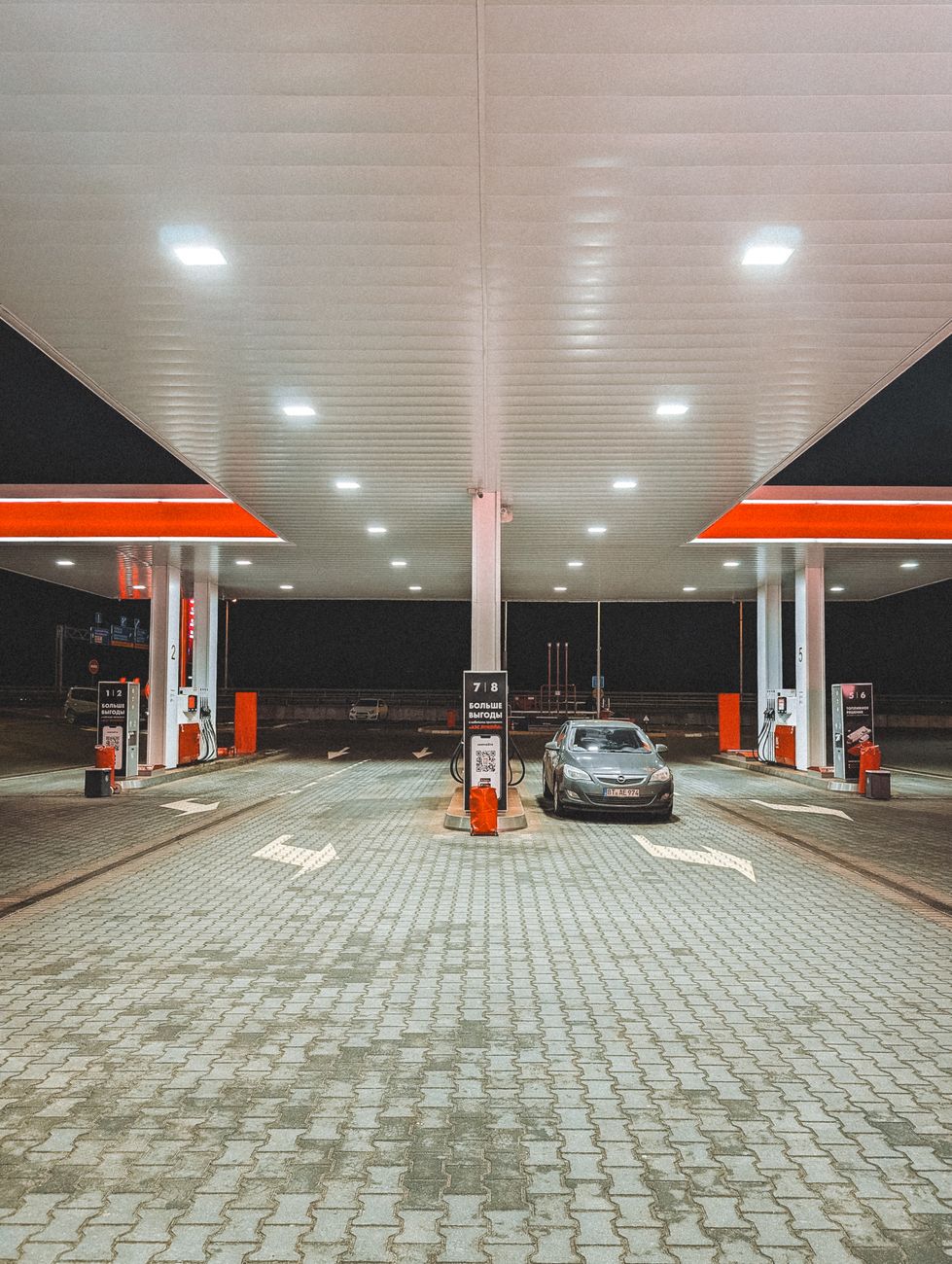
A gas-price pledge is getting attention because the easy part was the announcement. The harder part is proving where drivers can actually pull up and save.
The White House is promoting a new “Freedom Fuel Network” tied to lower gas prices at 25 stations in the Greater Philadelphia area. That sounds simple enough: cheaper fuel, a patriotic label and a pre-holiday headline.
But the rollout has quickly run into a basic question that matters more than the branding: where, exactly, are these stations?
The promise landed before the map
A USA TODAY report surfaced the announcement as a White House launch of 25 Freedom Fuel gas stations in a region. The broader materials connected to the trend point to Greater Philadelphia, with the plan framed around a short-term fuel-price promotion.

The official White House website also has a video page titled “Freedom Fuel Network Gas Station Has Arrived.” But the publicly extracted text from that page offers little beyond the title and a prompt to download the White House app for updates.
That leaves a familiar modern-news problem: the announcement is highly shareable, but the operational details are harder to pin down from the publicly available materials. For drivers, the difference matters. A gas discount is only useful if it comes with addresses, hours, participating brands and terms.
What the White House actually posted
The clearest claim in the materials is that a “Freedom Fuel Network” exists as part of a gas-price push involving 25 stations. The name suggests a branded retail campaign, not a new federal network of government-owned filling stations.
A parody site that sprang up around the announcement reproduced a June 30 Truth Social-style statement attributed to Donald Trump. In that text, Trump says a retailer “located throughout the Northeast” would lower prices at 25 “Freedom Fuel” stations across the Greater Philadelphia area on July 3.
That wording is important because it points to a private retailer promotion rather than a public infrastructure program. It also raises follow-up questions: Which retailer? Which 25 locations? How much is the discount? How long does it last? Who verifies participation?
Those are not small details. Gas-station promotions can vary by location, fuel grade, payment method, loyalty membership and time window. Without a published station list, a driver may be left guessing.
Philadelphia became the proving ground
The Greater Philadelphia angle appears to be what turned the story from a fuel-price item into an online hunt. Local readers do not just want to know whether the White House announced a program. They want to know whether there is a pump nearby.
A Reddit thread in the Philadelphia community captured that skepticism with the blunt framing “25 Stations. 0 Found.” Reddit is not an official source, and online posts should not be treated as verification. But the reaction is useful because it shows the public-facing problem: people heard a number, then struggled to match it with places on a map.
The parody site freedomfuelnetwork.lol leaned into the same gap, calling itself the “Official Site of the Freedom Fuel Stations That Do Not Exist.” It says users can enter a ZIP code to search all 25 stations, then mocks the absence of confirmed locations.
Satire is not evidence by itself. Still, satire often fills a vacuum. When an announcement arrives without the normal consumer-facing details, the internet tends to supply its own version of the missing sign.
A promo, not a gas policy
The “Freedom Fuel” branding also risks making a retail discount sound larger than it is. A limited promotion at 25 stations would not, on its own, meaningfully change national fuel prices. It would be a local discount event, not an energy-policy shift.
That distinction matters because gas prices are politically powerful. Presidents get blamed when prices rise and claim credit when they fall, even though pump prices are shaped by crude oil markets, refining capacity, seasonal fuel blends, taxes, distribution costs and local competition.
A White House-branded gas promotion can create a strong visual message: the administration is doing something visible at the pump. But the economics are narrower. If a private retailer cuts prices for a day or weekend, the savings are real only for the people who can find and use those specific stations.
That does not make the effort meaningless. For a commuter filling a 15-gallon tank, even a modest per-gallon discount can matter. But it does mean the rollout should be judged by practical access, not slogans.
The missing details are the story
For a normal retail fuel rollout, the public would expect a station list, a brand partner, a discount amount, start and end times, and eligibility rules. Those details are the difference between a press moment and a usable consumer offer.
Based on the extracted materials available with this trend, the official White House video page did not provide those specifics in the text captured. The USA TODAY-linked trend identified the launch and the 25-station figure, while the surrounding online conversation focused on whether locations could be confirmed.
That is why the “Freedom Fuel” story is gaining traction. It sits at the intersection of politics, consumer prices and internet fact-checking. People do not need a policy paper to test the claim. They need an address and a receipt.
If participating stations are confirmed and drivers receive advertised discounts, the story becomes a small but tangible gas-price promotion. If the locations remain unclear, the headline becomes a case study in how quickly a political announcement can outrun the evidence available to the public.
What drivers should watch now
Anyone hoping to use the promotion should look for official station-level information before making a special trip. The most useful confirmation would come from the White House, the named retailer, individual station pages or posted signage at participating locations.
Drivers should also check the fine print. Fuel promotions sometimes apply only to regular unleaded, only during certain hours, only while supplies last or only with an app or loyalty account. A discount advertised broadly may not apply the same way at every pump.
The clean takeaway is simple: the Freedom Fuel rollout has generated attention because it promises lower gas prices in a major metro area. But the public proof point is not the name, the video title or the political framing.
It is the map. Until the 25 stations are clearly identified, this remains less a straightforward launch than a location test for a very public promise.




Leave a Reply