
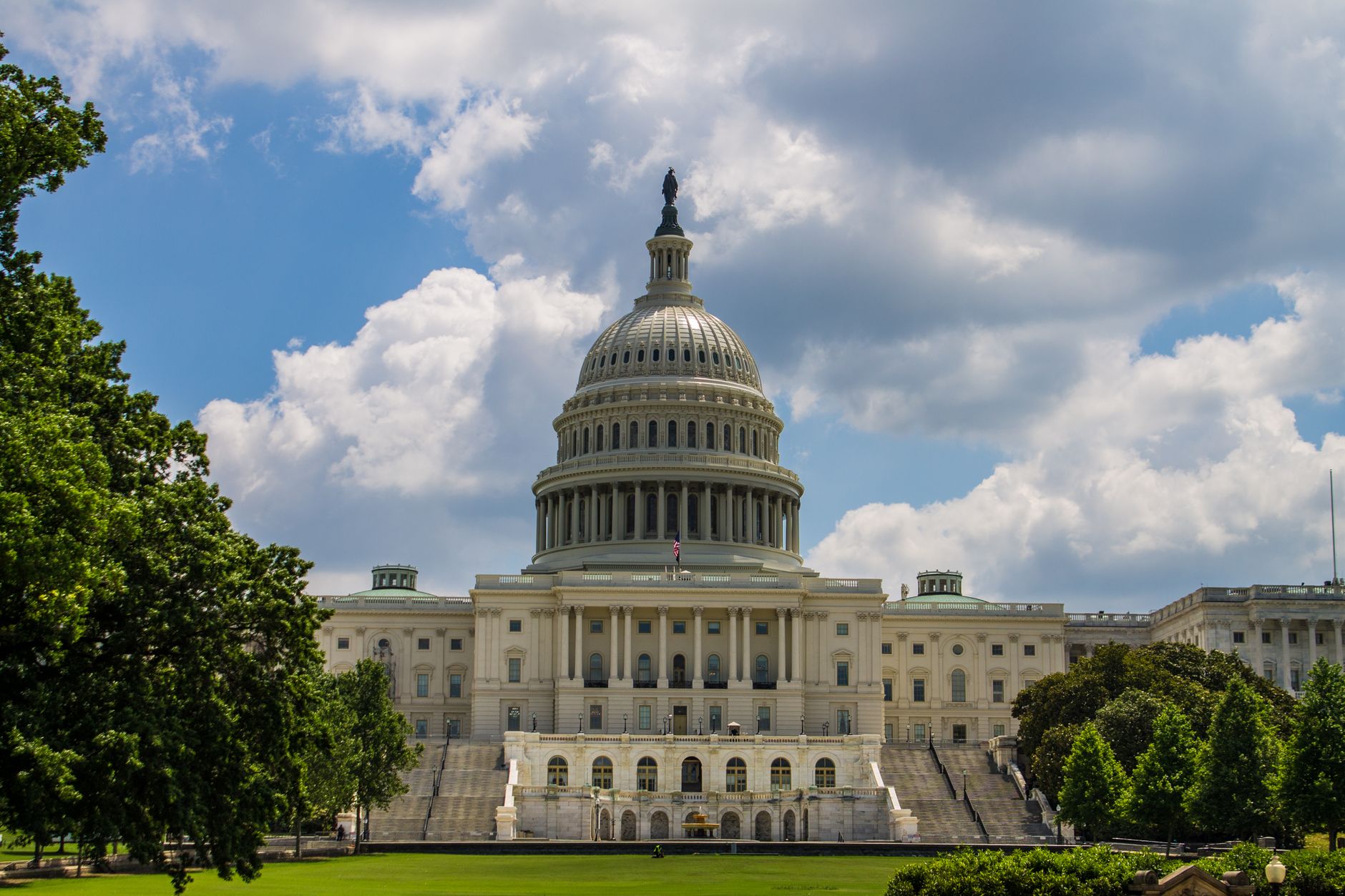
The fight is not just Democrats versus Republicans. Some conservatives are warning that the SAVE Act could create the kind of national election rules the right has long opposed.
The SAVE Act was built as a Republican answer to distrust in elections. Now one of the more interesting fights over the bill is coming from inside the conservative tent.
That is what makes the current backlash worth watching. The measure has already failed in the Senate, according to NPR, but the argument around it is still alive because it cuts into a deeper Republican tension: how far Washington should go in setting national voting rules.
A voting bill hits resistance
The SAVE Act, described by NPR as a far-reaching Republican election overhaul, would have required people to show documentary proof of U.S. citizenship when registering to vote. Examples cited include a passport or birth certificate.

Supporters have framed the idea as a basic election-security measure. If only citizens may vote in federal elections, they argue, registration systems should require documents that prove citizenship up front.
But the bill’s critics say that framing skips over the practical problem. Millions of eligible Americans do not have easy access to those documents, according to research cited by NPR. A requirement that sounds simple in a political speech can become a bureaucratic barrier at a registration desk.
The proposal also would have required photo identification to cast a ballot and would have directed states to submit voter lists to a Department of Homeland Security tool that NPR reported has been found to wrongly flag U.S. citizens.
Why conservative objections matter
Democratic opposition to a Republican voting bill is not surprising. Conservative Republican opposition is different.
The Time opinion essay that sparked attention was bluntly titled around that idea: conservative Republicans calling the SAVE Act a mistake. The significance is not that every Republican has turned on the bill. They have not. The point is that the criticism comes from people who might normally be expected to support tighter voting rules.
That opposition appears to be rooted in an old conservative instinct: skepticism of centralized federal power. For decades, many Republicans argued that elections should be run primarily by states, not redesigned by Washington.
The SAVE Act complicates that tradition. Notre Dame law professor Derek Muller, quoted by NPR, wrote that the proposal would have been among the most significant nationalizations of elections in American history if enacted. That is a striking warning for a party that has often treated federal election mandates as dangerous overreach.
The fraud claim faces a scale problem
The bill’s political force depends on a claim: that noncitizen voting is a serious enough threat to justify sweeping new requirements. The evidence cited by critics points in the other direction.
NPR reported that experts say noncitizens have not been shown to vote in anything but “microscopic” numbers in American elections. Georgetown law professor Steve Vladeck told NPR that the alleged problem occurs so infrequently that the proposed solution could be worse than the disease.
That is the core policy dispute. The SAVE Act does not merely punish illegal voting after the fact. It changes the front end of registration for everyone, including eligible voters who may lack immediate access to documents.
That matters because election law is often a trade-off between access and verification. A rule can be designed to catch rare improper registrations while also making lawful registration harder for citizens who are poor, elderly, rural, recently married, displaced, young or simply missing paperwork.
Trump raised the stakes
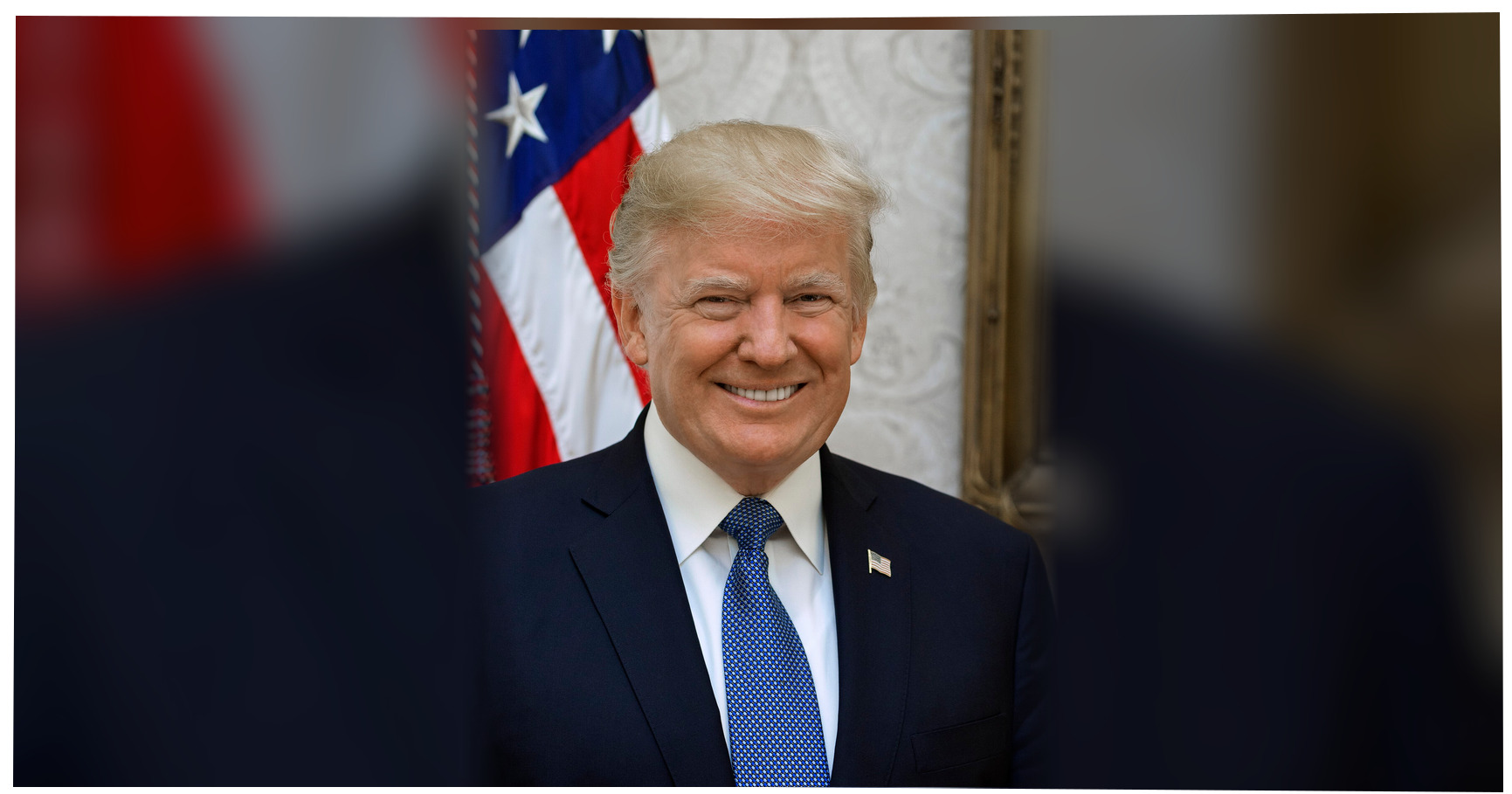
President Trump made the measure a major priority, according to NPR, saying during his State of the Union address that Congress should pass the legislation immediately. He also claimed Democrats opposed it because they wanted to cheat.
That kind of pressure changed the bill from a technical voting proposal into a loyalty test. NPR reported that Trump posted frequently about the bill and at one point said he would not sign other legislation before it passed.
Some Republicans even discussed abolishing or bypassing the Senate filibuster to move the measure past Democratic opposition, NPR reported. But Senate Majority Leader John Thune signaled there were not enough votes among Republicans for that kind of move.
“It’s about the votes. It’s about the math,” Thune told reporters, according to NPR. That line may be the most practical summary of the bill’s problem: the politics were louder than the coalition was broad.
The timing added another risk
The Senate vote came as the measure was offered as an amendment during debate over an immigration funding package, according to NPR. The House had previously passed a version in February on a near party-line vote.
One important detail is timing. NPR reported that the election proposal would have taken effect immediately, even as voting was already underway in congressional primaries.
Immediate implementation is not a small administrative matter. Election offices would have to adjust procedures, train staff, interpret new federal requirements and communicate changes to voters under pressure. Even supporters of proof-of-citizenship rules could question whether a sudden shift during an election cycle is wise.
That is another reason the conservative critique has teeth. A party can support election integrity in principle and still object to a rushed national mandate that strains local administration.
The fight is not over
The SAVE Act failed in the Senate, but failed bills can still shape politics. Sometimes they become campaign promises. Sometimes they become templates for state legislation. Sometimes they move the boundaries of what a party considers acceptable.
Muller’s warning, as reported by NPR, points to that longer-term impact. Even if the act did not pass, the debate may have normalized a bigger federal role in elections for many Republicans.
That is why the conservative Republican pushback matters beyond one vote. It asks whether the party’s election-security message is drifting away from its states’ rights message. It also asks whether a response to a rare form of fraud should create new hurdles for large numbers of eligible voters.
The clean takeaway is this: the SAVE Act is not just a fight over identification. It is a fight over who controls elections, how much friction voters should face and whether a party long wary of Washington is willing to nationalize voting rules when the issue is politically useful.









Leave a Reply