
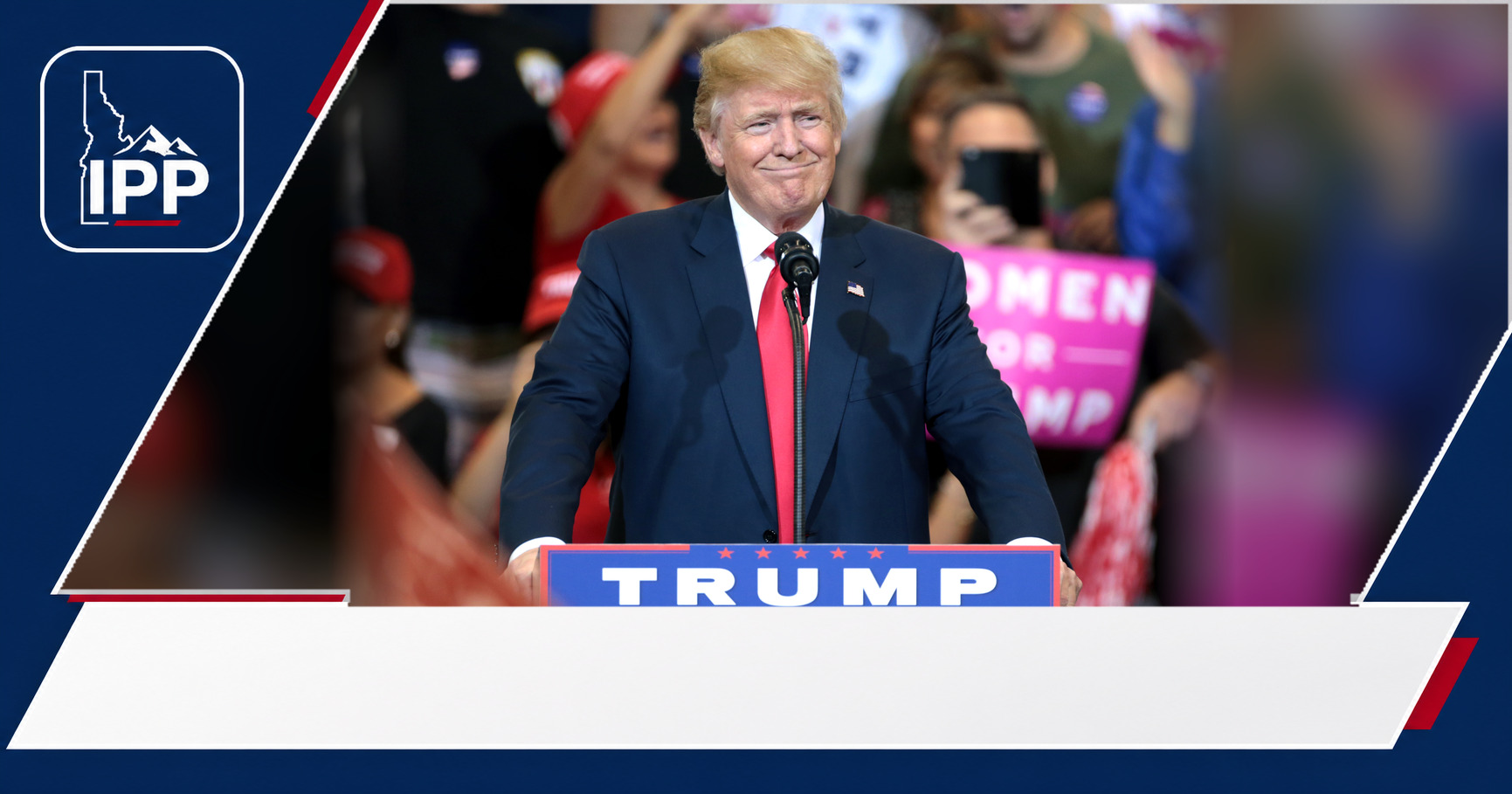
The decision does not erase Special Counsel Jack Smith’s case, but it makes the route to trial narrower, slower and more dependent on how courts classify Trump’s conduct.
The Supreme Court ruled that Donald Trump has some immunity from criminal prosecution for official acts. The ruling narrows Trump’s remaining path to legal accountability. In a 6-3 decision on Monday, July 1, the justices sent Special Counsel Jack Smith’s federal election-subversion case back to lower courts to sort official conduct from private conduct.
That distinction now controls which charges against Trump can survive, why trial timing changed, and what U.S. District Judge Tanya Chutkan must decide before any jury hears evidence.
The ruling changed the case
The Supreme Court did not say Trump is immune from every criminal charge. It also did not say Smith’s prosecution can proceed as originally filed. The decision sits in the middle: a former president may be prosecuted for unofficial acts, but official acts now receive significant constitutional protection.
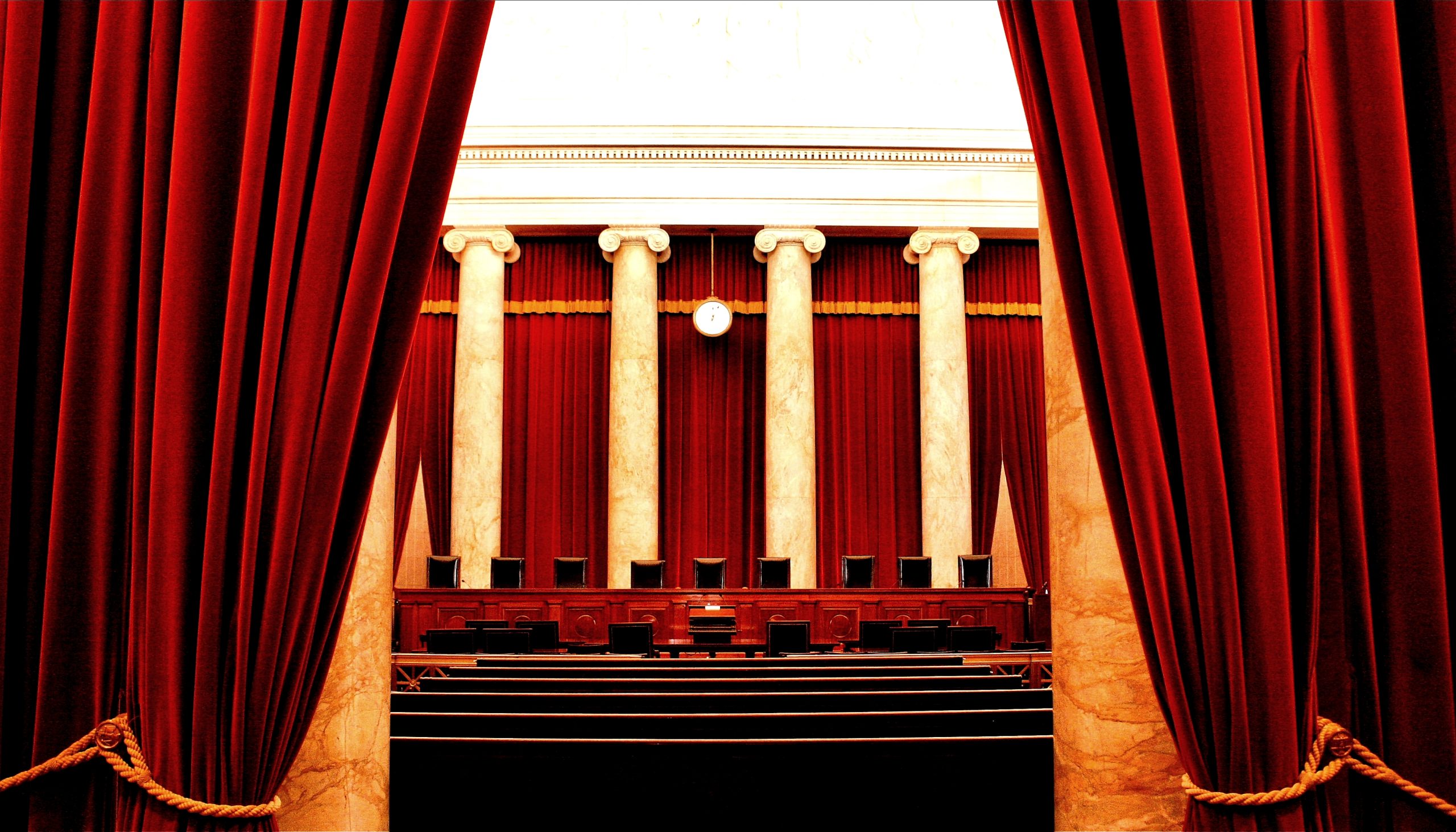
SCOTUSblog described the decision as historic because the court held that former presidents can never be prosecuted for actions tied to the core powers of the presidency and have at least presumptive immunity for other official acts. Reuters reported that the ruling handed major decisions back to Judge Chutkan, who must parse the indictment allegation by allegation.
That is why the accountability path narrows. Prosecutors are no longer arguing only that Trump committed crimes; they must first show that the conduct they want to charge, and perhaps the evidence they want to use, falls outside the protected zone the court created.
Three buckets now matter
The majority opinion, written by Chief Justice John Roberts, effectively requires courts to sort presidential conduct into categories. The labels sound simple, but they are likely to drive months of litigation.
- Core constitutional powers: Actions tied to powers only the president can exercise receive absolute immunity from prosecution.
- Other official acts: These receive at least presumptive immunity, meaning prosecutors face a heavy burden to proceed.
- Unofficial or private acts: These are not immune and may still be prosecuted if the government can prove the charges.
Roberts wrote that the president is not above the law, but the court also stressed that criminal prosecution of official acts could distort presidential decision-making. The majority’s answer was to protect official conduct first, then leave lower courts to decide what is left.
For Smith, that changes the shape of the case. The indictment alleges that Trump conspired to overturn the 2020 election results. After the ruling, the key question is no longer only whether the alleged scheme existed. It is whether each part of the alleged scheme was undertaken as president or as a candidate seeking to remain in power.
Smith’s indictment faces new filters
The federal case brought by Special Counsel Jack Smith charged Trump over efforts to subvert the 2020 election results, including conduct surrounding the certification of electoral votes on Jan. 6, 2021. Trump has denied wrongdoing and pleaded not guilty.
Some allegations now appear more vulnerable than others. Interactions with the Justice Department, for example, may fall close to official presidential power. Communications with the vice president can raise difficult immunity questions because the vice president had a constitutional role in the electoral count.
Other alleged conduct may be easier for prosecutors to defend as private. Campaign activity, pressure on state officials, communications with private allies and public efforts tied to Trump as a candidate could remain within reach if Chutkan finds they were not official presidential acts.
The evidence question may be just as important as the charging question. If certain official acts cannot be prosecuted, prosecutors may also face limits on using those acts to prove a case based on private conduct. That could force Smith’s team to narrow the story it presents to a jury.
The justices split sharply
The majority framed the decision as a structural ruling about the presidency, not a personal ruling for Trump. Roberts emphasized that the executive branch must be able to function without every presidential decision becoming a future criminal exhibit.
Critics see the decision differently. Justice Sonia Sotomayor, joined by Justices Elena Kagan and Ketanji Brown Jackson, warned in dissent that the ruling could leave criminal law without a backstop when a president misuses official power for personal gain. That dissent captured the fear among many legal observers: the more conduct is labeled official, the less room remains for criminal accountability.
The divide is not just ideological theater. It reflects two competing risks. One risk is a presidency chilled by fear of prosecution after every change in power. The other is a presidency insulated from criminal law when official tools are allegedly used for corrupt ends.
The court chose to prioritize presidential independence, then left the hard factual sorting to trial judges. That choice makes the lower-court phase more consequential than usual.
Why accountability narrows
Legal accountability narrows in three practical ways. First, the ruling removes some presidential conduct from prosecution entirely. Second, it creates a presumption of immunity for other official acts, requiring more litigation before prosecutors can proceed. Third, it delays any trial while the parties fight over where the line falls.
Delay matters in criminal cases, especially politically charged ones. The longer the pretrial fight lasts, the more difficult it can become to preserve momentum, manage witnesses and reach a final judgment before political circumstances shift.
Still, a narrower path is not a closed path. The court left room for prosecution based on private conduct. If Chutkan determines that key parts of Smith’s case involve Trump acting as a candidate or private citizen rather than as president, those allegations could move forward.
That is the tension at the heart of the ruling. It strengthens Trump’s defenses without giving him a blanket victory. It weakens Smith’s case without necessarily ending it.
What lower courts must decide
The case now turns on granular questions that are far less dramatic than the Supreme Court headline but far more important to the next phase. Chutkan must decide which alleged acts are official, which are private and whether any presumptive immunity can be overcome.
Those decisions are unlikely to be the final word. Either side could appeal major immunity rulings, adding more time before a trial date becomes realistic. Reuters noted that the Supreme Court’s decision placed these big calls in Chutkan’s hands, but appellate review could keep the case moving slowly through the courts.
What remains unclear is how aggressively lower courts will apply the Supreme Court’s categories. A narrow reading of official acts would preserve more of Smith’s indictment. A broad reading would leave prosecutors with a smaller case and fewer facts to present.
The clean takeaway is that the July 1 ruling transformed Trump’s federal election case from a broad criminal prosecution into a line-drawing battle over presidential power. The accountability question is still alive, but it now runs through a much tighter gate.


Leave a Reply