
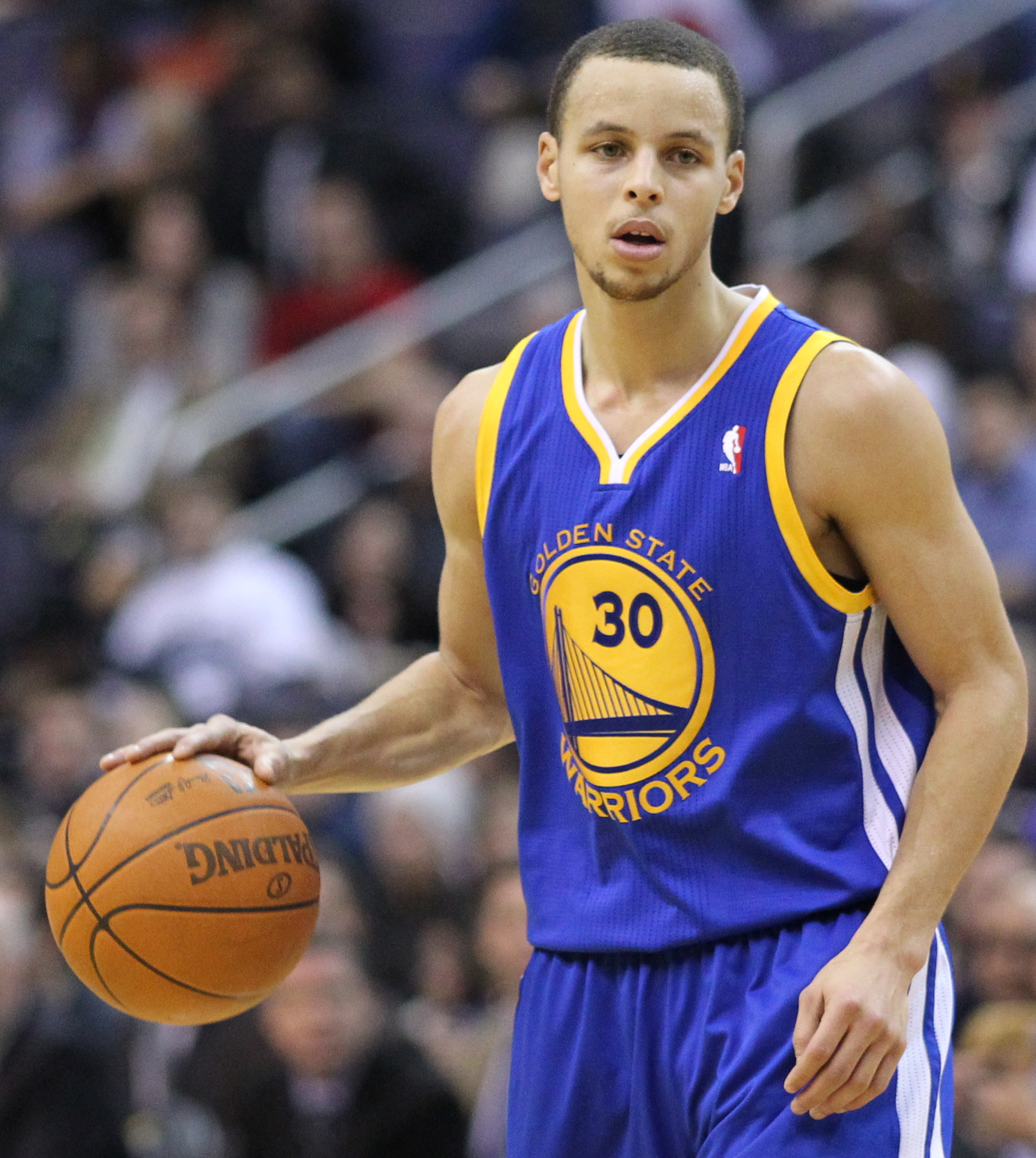
The argument is not that Curry is finished. It is that the Warriors may be acting as if tomorrow matters more than the superstar still carrying today.
Five media members are questioning the Golden State Warriors’ direction with Stephen Curry, arguing that Stephen Curry is still good enough to lead a contending team and that the Warriors are not adequately supporting Curry. The criticism, gathered by Sports Illustrated’s Warriors On SI, targets Joe Lacob and Mike Dunleavy Jr. for roster decisions and calls for a trade or another move while Steph Curry remains the franchise’s central star.
This is less about one rumor than a growing test of priorities. The Warriors have to decide whether they are preserving a post-Curry future or still chasing the kind of present-day roster that gives Curry a real playoff shot.
The pressure is getting louder
The Warriors have heard criticism before. What makes this moment sharper is the alignment of the complaint: national and local commentators are circling the same issue at once.
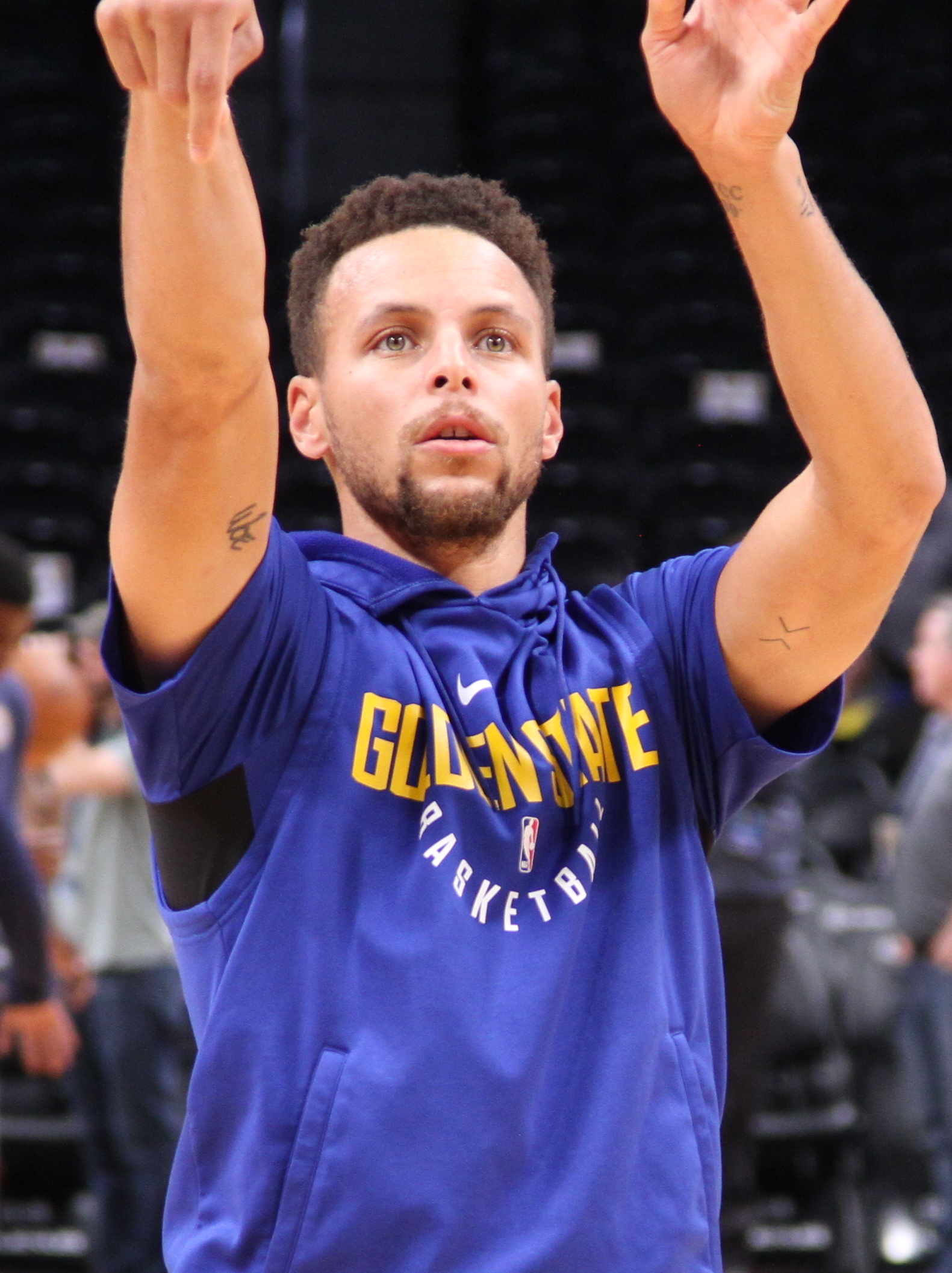
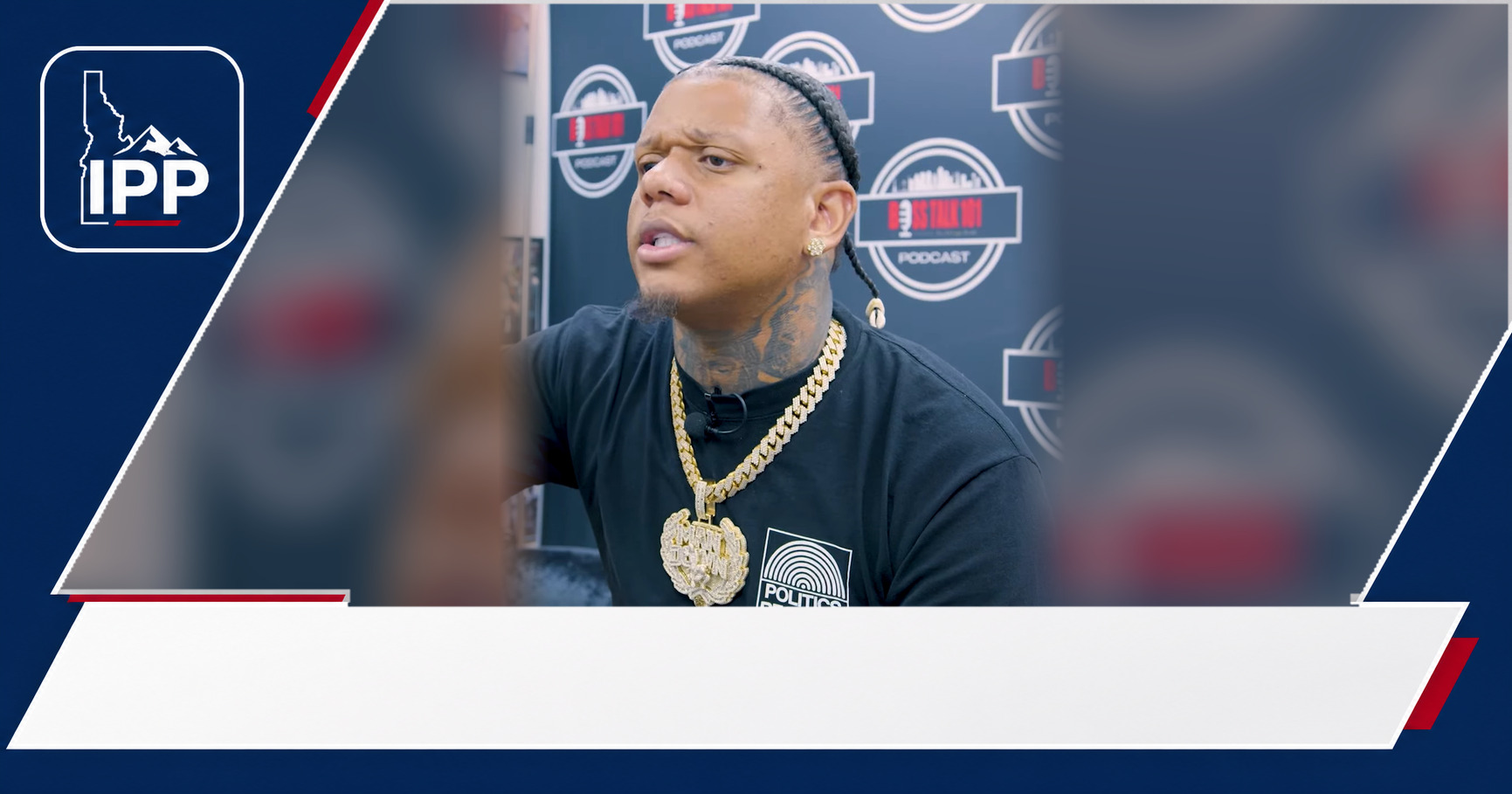
The Sports Illustrated compilation names Bomani Jones, Bill Simmons, Sam Esfandiari, Vince Goodwill and Dalton Johnson among the voices challenging Golden State’s approach. Their arguments differ in tone, but the theme is blunt: Curry remains elite enough to justify urgency, and the franchise has not matched that urgency with its roster-building.
That matters because Golden State’s dynasty was built on a rare balance of patience, talent development and ruthless timing. The question now is whether that balance has turned into hesitation.
For fans, the tension is familiar but painful. Curry’s presence makes every season feel potentially meaningful. The supporting cast determines whether that feeling is real or nostalgic.
The two-timeline bet still lingers
Much of the criticism points back to the Warriors’ attempt to compete now while also preparing for life after Curry. Jones, in the SI-cited commentary, criticized what he called the team’s “two timelines” thinking, arguing that the NBA does not really let teams play for tomorrow and today at the same time.
That concept has followed Golden State for years. The Warriors tried to keep enough veterans around Curry, Draymond Green and Klay Thompson while also investing in younger pieces and future assets. Winning the 2022 championship made the plan look, at least briefly, survivable.
But the strongest counterargument from the media chorus is that 2022 happened because Curry was still Curry. The title did not prove that the future-first approach was broadly repeatable. It proved that a generational player could still bend a postseason when given enough help.
That distinction is why the current criticism cuts. If Curry can still lead a contender, then every protected asset and every deferred move becomes part of a larger debate about whether the Warriors are maximizing him or merely admiring him.
Lacob and Dunleavy face the trade math
The pressure is landing on Lacob, the team governor, and Dunleavy, the general manager, because they control the risk tolerance. The public demand is simple: make a trade. The real calculation is not simple at all.
A major move can cost first-round picks, young players, financial flexibility and future optionality. A bad all-in trade can damage the final Curry years and the years after them. The Warriors’ defenders can reasonably argue that not every available name is worth mortgaging the franchise.
Even the SI piece’s author allowed for limits, writing that the Warriors should support Curry “within reason” and noting agreement with not overpaying in at least some situations, including a Jaylen Brown example. That is the fair version of the front office case: discipline is not automatically neglect.
But discipline becomes harder to defend when seasons pass without a convincing upgrade. The criticism is not merely that Golden State failed to land one perfect target. It is that the Warriors may be waiting for a clean, universally praised deal in a league where title swings usually require risk.
Curry’s leverage hangs over everything
Goodwill’s argument, as cited by Sports Illustrated, adds a different layer: Curry’s loyalty may have allowed the Warriors to operate with less urgency. If a superstar never seriously threatens to leave, the organization has more room to protect its own timeline.
That is the uncomfortable subtext. Curry has been the face of the franchise, the engine of four championships and one of the most culturally important players in NBA history. He has also generally avoided the public pressure tactics that other stars have used to force roster action.
The result is a strange power dynamic. Curry’s patience has helped keep the Warriors stable. It may also have reduced the immediate consequences of standing pat.
No one outside the organization can say how forcefully Curry has pushed behind closed doors. What is clear is that the media criticism is now partly filling that vacuum, saying aloud what Curry has not publicly turned into a demand.
Support does not mean panic
The strongest version of the pro-Curry argument is not that Golden State should trade every asset for the next recognizable name. It is that a franchise with Curry cannot behave like a team whose best days are purely theoretical.
Meaningful support could take several forms:
- A real rotation upgrade who fits Curry’s timeline instead of a speculative future plan.
- A willingness to move draft capital if the incoming player raises the playoff ceiling.
- Clearer roster identity around Curry’s spacing, pace and late-game shot creation.
- Acceptance of some risk rather than waiting for a flawless deal that may never arrive.
The word “support” also needs definition. Curry does not need a ceremonial gesture. He needs players who can survive playoff matchups, punish defensive attention and keep Golden State from asking him to solve every possession.
That is where the debate becomes practical. If the Warriors believe Curry can still be the best player on a championship-level team, their actions should look different from a team quietly transitioning into asset protection.
The next move defines the era
The Warriors are not just managing a roster. They are managing the ending of the most important era in franchise history. That is why media criticism is landing with force: the stakes are emotional, competitive and reputational.
If Golden State makes a credible move, it can signal that the franchise still sees Curry’s window as active. If it stands pat again, the message may be interpreted differently, even if the front office insists it is waiting for value.
There are unresolved questions. Which players are actually available? How much draft capital is ownership willing to sacrifice? Does Curry privately want the Warriors to be more aggressive? Is the front office protecting the future, or has it underestimated the present?
The answer will not come from another round of commentary. It will come from the roster. Curry is still good enough to make the Warriors relevant. The question now is whether the Warriors are willing to be uncomfortable enough to help him matter deep into the playoffs again.



Leave a Reply