
The missing audio has renewed attention on how political accounts use pop music, especially when artists object to the message attached to their songs. It remains unclear who requested the removals or whether a licensing issue triggered them.
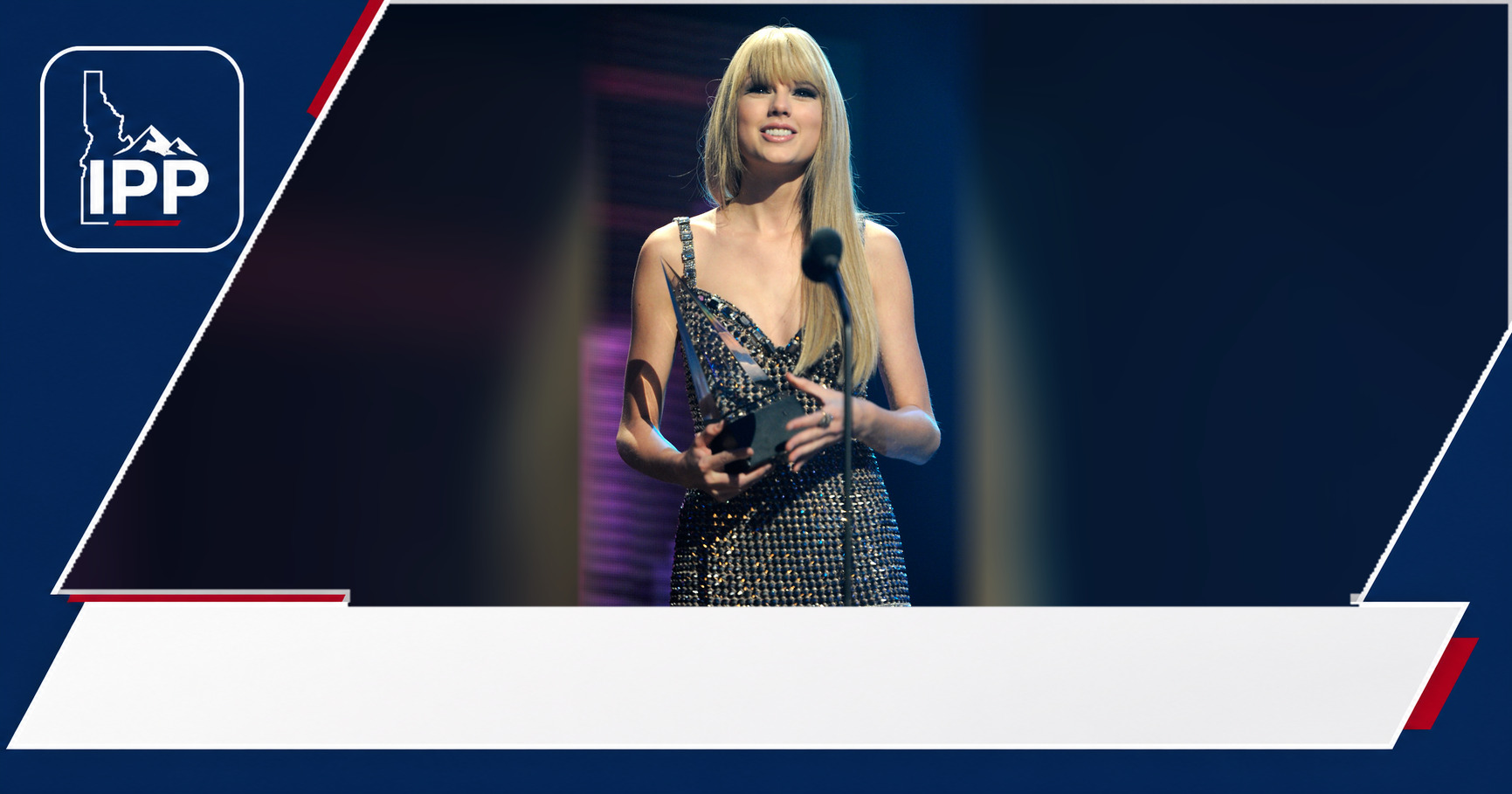
Taylor Swift songs were removed from social media posts by the Trump campaign and White House accounts, with the music disappearing from videos posted on TikTok and other social-media channels tied to those accounts. Several Team Trump videos that had used Swift tracks, including “August,” now play without audio, drawing attention to how the Trump operation and the White House have used pop songs in political messaging.
The removals matter because the posts were not neutral fan edits: at least one explicitly mocked Swift and referenced her past opposition to Donald Trump. Neither the White House nor Swift’s representatives had publicly explained who initiated the changes, leaving the central question unresolved.
Videos went silent after posting
Reporting by CNN and Reuters said Swift’s music disappeared in recent days from TikTok posts published by the White House and the “Team Trump” campaign accounts. USA Today identified several Team Trump videos where sound was no longer available.

One of the clearest examples was an edited August 3 video of President Donald Trump and first lady Melania Trump watching fireworks. It used Swift’s 2020 song “August,” from Folklore, alongside text reading, “mood because it’s August and Donald Trump is your president.”
The post’s caption made the antagonism unusually direct: “I’m sure @Taylor Swift is going to be super excited we used her song! #taylorswift #maga #august.” The video is now silent, according to USA Today.
Another Team Trump post, published August 6, used an altered visual version of Swift’s Red artwork, putting Trump in a red MAGA hat and calling it “Red (Donald Trump’s version).” That video also lost its audio.
More than one Swift track vanished
The changes were not limited to the fireworks post. USA Today reported that several Team Trump TikToks featuring Swift songs no longer had sound, including a November montage honoring Trump that used “Father Figure,” a track from Swift’s Life of a Showgirl.
That pattern is important. A single missing track can result from a routine platform action, an expired licensing arrangement or an upload-level technical change. Multiple Swift-related posts going quiet at roughly the same time naturally prompt broader questions about rights management and whether a complaint was made.
Still, the available reporting does not establish the cause. Swift has not publicly claimed responsibility for the removals, and there is no public confirmation that her label, publisher, management team or an authorized rights holder requested them.
The White House and Swift’s representatives were contacted for comment, USA Today reported. Public reporting did not provide a definitive response explaining the takedowns.
Why the Swift connection stands out
Swift and Trump have a documented political history. Swift endorsed then-Vice President Kamala Harris, the Democratic nominee, in the 2024 election. Days later, Trump wrote on Truth Social, “I HATE TAYLOR SWIFT!”
Trump returned to the topic in May 2025, saying Swift was “no longer HOT” since he had expressed his dislike. His comments were more conciliatory after Swift’s engagement to Travis Kelce later that year, when he wished the couple luck and called her “a terrific person” during a Cabinet meeting.
That history helps explain why the Team Trump posts felt designed to generate a reaction rather than simply borrow a familiar soundtrack. Using “August” to celebrate Trump’s presidency, then tagging Swift in the caption, turned an ordinary music choice into a political taunt.
For supporters, such posts can read as irreverent internet politics. For critics, they can look like an attempt to use an artist’s cultural reach and fan base against the artist’s stated politics. The silence of the altered videos has made that tension more visible.
Political accounts keep testing pop music
Swift is not the only major artist whose work has appeared in White House social content and then become a point of dispute. The official White House TikTok account used Katy Perry’s “Firework” in a July 23 video showing U.S. military strikes in Iran.
Perry said she was “deeply appalled and angry” and said she had not approved the use. In a July 25 post on X, she said the song was written as an anthem of hope and healing, not as a soundtrack for destruction or warfare.
Ariana Grande also objected after the White House posted a June TikTok depicting federal agents arresting and handcuffing people while using her song “Bye.” Reuters and other outlets reported that Grande wrote, “Please do not ever use my music in relation to this barbaric, inhumane, heinous nonsense.” The audio and her comment were later removed.
Kesha, Olivia Rodrigo, Noah Kahan and Sabrina Carpenter have also criticized the White House over uses of their music, according to USA Today. The repeated disputes show that a platform’s ability to attach popular audio does not settle the more public question of whether an artist accepts the political association.
Licensing and endorsement are separate
Social platforms offer music libraries and automated rights-management tools, but availability can change for reasons viewers cannot see. An audio track can disappear because of a rights-holder claim, a platform policy, a licensing limitation, a decision by the account holder or a change affecting the original sound.
That means the silent Taylor Swift videos should not be treated as proof of a particular legal dispute without confirmation. No public account of the removals has established whether the posts were taken down through TikTok’s systems, changed manually by the Team Trump or White House accounts, or affected by another rights-related decision.
It is also possible for a use to raise a reputational or political objection even when the underlying licensing picture is more complicated. Artists may object to implied endorsement, while campaigns and government accounts may argue that a song’s availability in a platform ecosystem permits its use. Those are related questions, but they are not identical.
What remains unanswered
The immediate result is straightforward: some Trump-affiliated and White House posts that featured Taylor Swift music no longer do. What remains unclear is why the audio was removed, how many posts were affected and whether the White House’s posts and Team Trump’s posts were handled through the same process.
The missing songs may have ended a short-lived social-media provocation, but they have not settled the larger dispute over political accounts using music from artists who reject the message around it. Until the parties explain the change, the quiet videos leave room for competing interpretations—and a reminder that pop-song placement can become political news in seconds.



Leave a Reply