
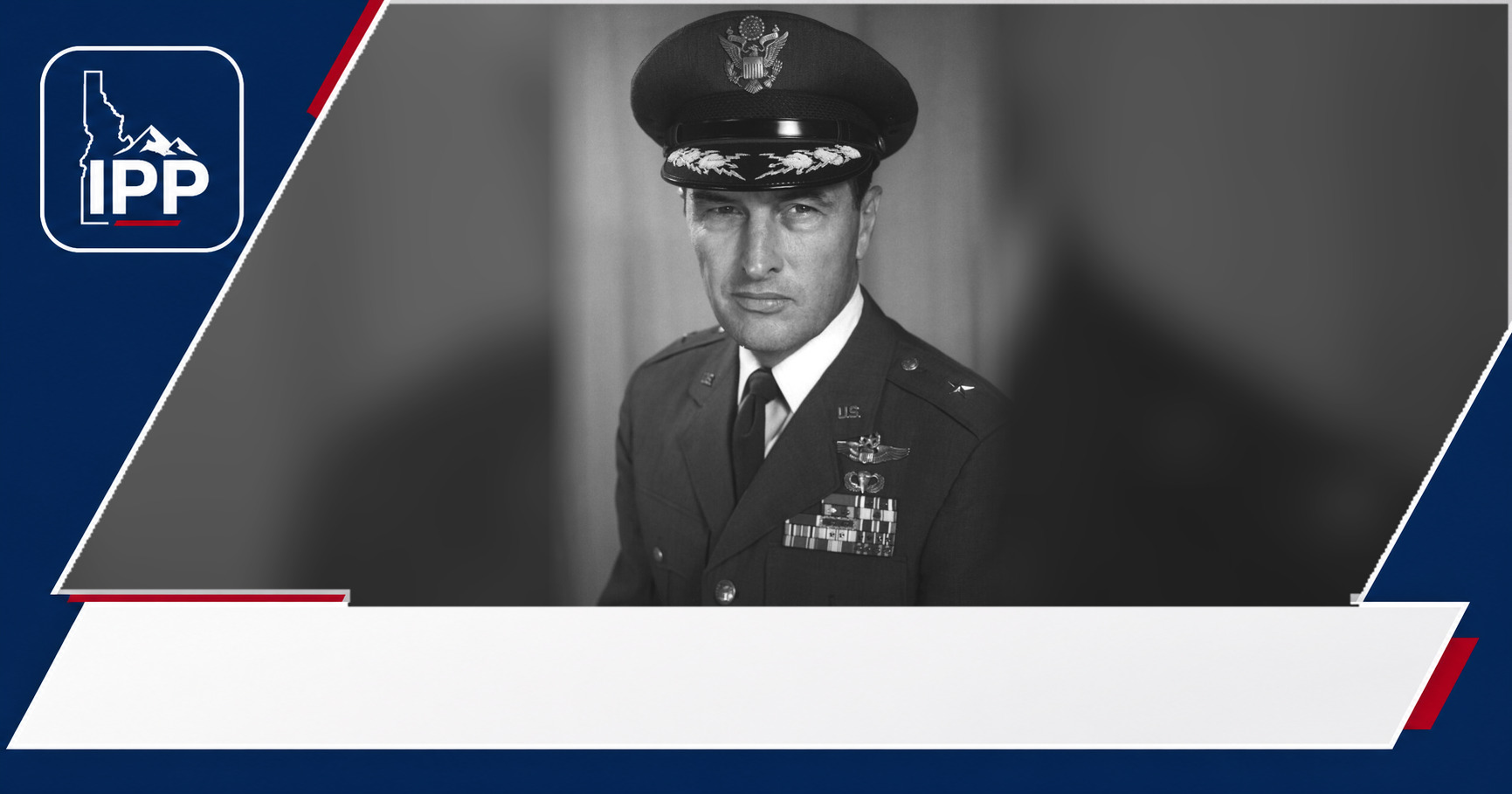
The dispute centers on an unusually consequential administrative step: cutting a former senior official off from classified access while offering little public detail about the alleged disclosure. Kendall denies knowingly sharing classified information and says he intends to fight the decision.
Frank Kendall, the former U.S. Air Force secretary, says he will sue the Trump administration to restore his security clearance after the Pentagon revoked his eligibility to access classified information and barred him from sensitive positions. The action announced August 7, 2026, centers on Pentagon allegations that Kendall disclosed sensitive details about Air Force One’s capabilities to the media.
Kendall denies knowingly revealing classified information and says he has not been told what, specifically, the government believes he disclosed. His planned legal challenge raises a wider question about how a former senior official can contest the loss of clearance eligibility when the underlying allegations remain largely undisclosed.
The Pentagon’s action against Kendall
The Pentagon said it had revoked Kendall’s eligibility to access classified information and barred him from holding “any sensitive position.” That is a significant restriction for a former official whose work and public analysis may intersect with national-security issues.

Chief Pentagon spokesman Sean Parnell said safeguarding classified information is a non-negotiable duty and that people who violate that trust lose the privilege of access and roles requiring it. But the Pentagon did not publicly identify the information it says Kendall disclosed, the media outlet involved or the basis for concluding that the information was classified.
That missing detail is central to the dispute. A clearance revocation is not the same thing as a criminal conviction, and the public record described by the AP report does not say that Kendall has been charged or referred for prosecution.
Air Force One reporting sits at center
The action followed news reports, including reporting by The New York Times, about security concerns involving a Qatari-gifted Boeing 747 that was converted for use as Air Force One. The reporting examined whether the newer plane had all the defensive and secure-communications features associated with the older presidential aircraft.
Kendall, who served as Air Force secretary under President Joe Biden, was quoted in the Times report discussing the time needed for the usual Air Force One modifications and expressing surprise that the aircraft was used outside the United States. He has said he was comfortable speaking publicly because he believed he was not sharing classified material.
The aircraft underwent a reported $400 million retrofit and upgrade. The Air Force has maintained that its rapid conversion did not accept risk involving security, safety or secure communications, while also acknowledging that some complex modifications planned for newly built presidential aircraft were not included on the Qatar-origin plane.
Kendall says allegation remains unclear
Kendall told the AP he was “completely mystified” by the revocation. He said he has been careful not to discuss classified information and that no one had identified what he was alleged to have revealed.
His position creates a sharp divide between the two sides. The Pentagon is presenting the revocation as an enforcement decision tied to the protection of secrets. Kendall is presenting it as an unexplained penalty imposed without a clear account of the conduct at issue.
A lawsuit could force a more precise public accounting, though litigation involving classified information can also produce sealed filings, limited disclosures and government arguments that details cannot safely be released. Kendall had said he would sue; the available reporting did not describe a filed complaint, a court or a timetable for the case.
Clearance loss reaches beyond access
Security clearances are often described as permissions to view classified material, but their effect can extend further. Losing eligibility can block a person from government work, advisory roles, contractor assignments and other positions that require access to protected information.
The Pentagon’s language barring Kendall from “any sensitive position” underscores that broader consequence. For former national-security officials, a clearance decision can affect their ability to participate in policy work even when they are not currently serving in government.
The government has substantial authority to protect classified information and assess who may receive access. Critics of politically charged revocations, however, argue that officials should provide clear procedures, factual notice and an opportunity to meaningfully contest allegations—especially when the decision concerns a prominent former official speaking publicly about government policy.
A broader Trump administration pattern
Kendall’s case is not the first clearance-related action involving current or former national-security figures during the Trump administration. The AP reported that the administration revoked the clearances of 37 then-current and former national-security officials last year.
Defense Secretary Pete Hegseth also withdrew security protections and clearance from retired Gen. Mark Milley, the former chairman of the Joint Chiefs of Staff, shortly after the administration took office. Those actions have fueled debate over where legitimate security enforcement ends and political retaliation begins.
Supporters of aggressive enforcement argue that access to secrets depends on trust and that former officials do not retain an unconditional right to classified information. Opponents say the government’s exceptional power over clearances demands especially careful, transparent use because an accusation alone can damage a person’s standing and career.
What Kendall’s suit could test
Kendall’s challenge is likely to turn on more than whether he personally regains eligibility. It could test what process applies when the government acts against a former senior official, what explanation must be provided and how much deference courts give the executive branch on clearance decisions.
For now, several issues remain unresolved: what alleged statement prompted the action, whether the Pentagon will provide Kendall with more detail, whether any criminal referral exists and when or where he intends to file suit. The immediate outcome is clear, though: Kendall no longer has access eligibility, and he says he intends to seek its restoration in court.





Leave a Reply